

How Often Should Tan Delta Testing Be Performed on High Voltage Equipment?
Learn how often to perform Tan Delta Testing on high-voltage equipment. Discover recommended intervals, when to test critical systems more frequently, and why trends matter.
Tan Delta Testing is a crucial diagnostic tool for assessing the condition of insulation in high-voltage equipment, such as transformers and circuit breakers. Knowing how often to perform these tests is essential to ensure the longevity and reliability of your electrical systems. Let’s explore the recommended testing intervals, when to test more frequently, and why historical data matters.
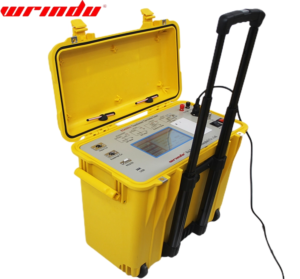
Click the picture to know more about Wrindu Tan Delta Tester.
What Are the Recommended Intervals for Tan Delta Testing?
The frequency of Tan Delta Testing depends on the type of equipment and its operational conditions. For most high-voltage equipment, it’s recommended to conduct a Tan Delta Test of Transformer and similar assets annually or biannually. These intervals are generally sufficient to monitor insulation condition and detect any significant changes in the dielectric properties of the equipment.
Testing once a year is common for routine maintenance, ensuring that the equipment remains in good health and that any early signs of insulation deterioration are spotted. For some equipment that operates under harsher conditions, such as transformers in high-stress environments, biannual testing may be more appropriate to maintain a higher level of vigilance.
When Should Critical Systems Be Tested More Frequently?
For critical systems that play a key role in your operation, Tan Delta Testing should be performed more frequently. These include systems that are:
-
In continuous operation without backup.
-
Critical to safety, such as those used in power plants or substations.
-
Facing frequent electrical surges or extreme operating conditions.
In these cases, testing every 3-4 months or even more frequently may be necessary. Wrindu Tan Delta Tester can be especially helpful in these scenarios due to its high precision and ability to log data consistently, making it easier to track changes over time. Regular testing of critical equipment can help avoid unexpected failures and reduce the risk of costly downtime.
Why Is It Important to Track Historical Trends?
Tracking historical trends in Tan Delta results is essential for proactive maintenance and equipment management. By comparing test results over time, you can identify patterns of deterioration that may indicate an impending failure, even if the changes are too subtle to detect with a single test.
Regular data logging with tools like the Wrindu Tan Delta Tester helps you build a reliable historical record, making it easier to:
-
Assess the insulation’s long-term health.
-
Plan maintenance activities more effectively.
-
Make informed decisions on equipment replacement or repairs before major issues occur.
By analyzing historical trends, you can extend the life of your high-voltage equipment and improve its operational reliability.
What Are the Risks of Infrequent Testing?
Neglecting regular Tan Delta Testing or spacing out tests too far can lead to undetected insulation degradation, increasing the risk of unexpected failures. Since Tan Delta Testing is sensitive to the aging process of insulation, it provides valuable early warnings. Delaying testing or reducing the frequency of checks on critical equipment could result in:
-
Missed signs of insulation breakdown.
-
Increased risk of equipment failure and costly repairs.
-
Unplanned outages or downtime in critical systems.
When Should You Test Your Equipment for the First Time?
If your equipment is new or has never undergone Tan Delta Testing, it’s important to perform an initial test to establish baseline values. Afterward, you can establish a testing schedule based on the equipment’s age, usage, and operational conditions. An initial Tan Delta Test also gives you a reference point for future tests, allowing you to detect any significant deviations in insulation performance early on.
