

How Partial Discharge Affects Electrical System Performance
Learn how partial discharge impacts electrical system performance, insulation reliability, and equipment lifespan. Discover PD effects on transformers, cables, and high-voltage systems, and how Wrindu provides reliable partial discharge testing solutions for early fault detection.
Partial discharge (PD) is widely recognized as one of the earliest warning signs of insulation degradation in high-voltage electrical systems. Although each discharge event releases only a small amount of energy, continuous PD activity can gradually weaken insulation, reduce equipment reliability, and ultimately lead to system failures.
For utilities and industrial power users, understanding how partial discharge affects electrical system performance is essential for maintaining safe and stable operation. Studies in the power industry indicate that more than 70% of insulation failures in high-voltage equipment are associated with long-term PD activity. Without proper monitoring and control, these discharges can escalate from minor defects into major outages.
This article explains how partial discharge impacts electrical systems, why early detection matters, and how professional diagnostic solutions—such as those provided by Wrindu—help utilities prevent costly failures.
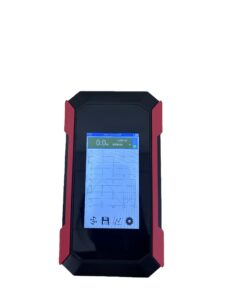
Click the image to know more about Wrindu Comprehensive PD Tester.
The Physical and Chemical Effects of Partial Discharge
Partial discharge does not immediately destroy insulation. Instead, it creates localized stress and chemical reactions that slowly degrade insulating materials.
During PD events, high-energy electrons collide with surrounding molecules, producing reactive gases and radicals such as:
-
Ozone (O₃)
-
Nitrogen oxides (NOx)
-
Hydrogen and hydrocarbon gases
These substances can oxidize metal components, deteriorate polymer insulation, and weaken oil-paper dielectric systems.
Over time, repeated PD activity causes several damaging processes:
-
Surface erosion of insulation materials
-
Electrical treeing within solid insulation
-
Carbon tracking, which creates conductive paths
Once these conductive channels develop, insulation strength drops rapidly, significantly increasing the risk of flashover or dielectric breakdown.
Impact on High-Voltage Cable Performance
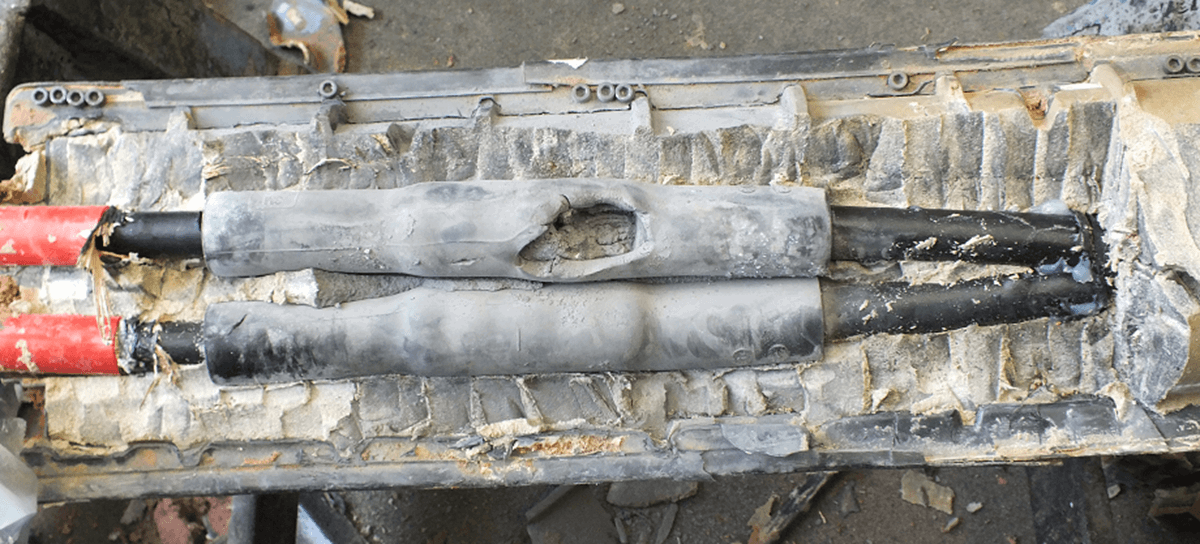
High-voltage cables—especially those insulated with cross-linked polyethylene (XLPE)—are particularly vulnerable to long-term PD activity.
In cable systems, PD often originates from:
-
Manufacturing defects
-
Voids within insulation
-
Improper cable joint installation
-
Moisture ingress
Continuous discharge activity accelerates insulation aging and dielectric loss. As insulation deteriorates, electrical stress becomes concentrated around defect locations, causing further discharge activity and thermal buildup.
Industry field studies have shown that:
-
Partial discharge can reduce cable insulation life by 30–50%
-
PD-related faults account for over 40% of underground cable failures
If not detected early, these faults may eventually lead to cable breakdown, arc faults, and extended power outages.
Impact on Transformer Insulation Systems

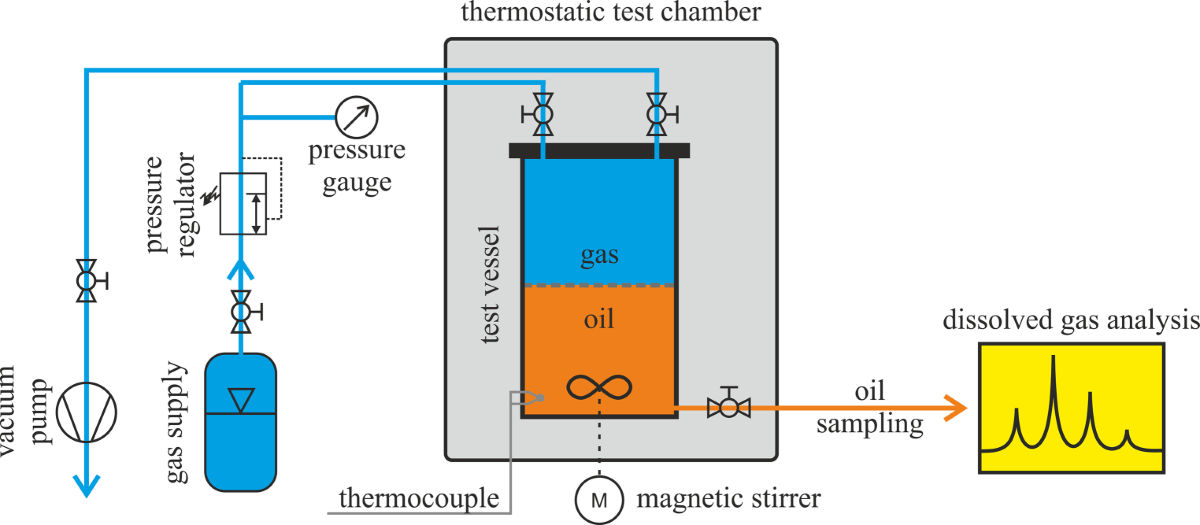

Power transformers rely heavily on oil-paper insulation systems, which are sensitive to partial discharge.
When PD occurs inside a transformer, it produces gas byproducts that dissolve in insulating oil. These gases include:
-
Hydrogen (H₂)
-
Methane (CH₄)
-
Acetylene (C₂H₂)
Engineers detect these gases through Dissolved Gas Analysis (DGA), a widely used transformer diagnostic technique.
Long-term PD activity inside transformers can lead to:
-
Localized insulation carbonization
-
Reduced dielectric strength
-
Increased risk of winding insulation failure
Transformer failure is particularly costly. According to utility reliability statistics, a single large transformer outage can cost utilities millions of dollars in repair and downtime.
System-Level Risks Caused by Partial Discharge
Beyond individual equipment damage, partial discharge can affect the overall performance and reliability of electrical systems.
If PD remains undetected, the consequences may include:
-
Progressive insulation degradation
-
Reduced equipment lifespan
-
Increased dielectric losses and overheating
-
Arc faults and internal flashovers
-
Equipment explosions and fire hazards
-
Long-duration power outages
Research from power utilities indicates that insulation failures triggered by partial discharge account for nearly 50% of unexpected high-voltage equipment outages.
Because of these risks, many utilities now incorporate continuous PD monitoring systems into their asset management strategies.
The Importance of Early Partial Discharge Detection
Early detection allows engineers to identify insulation defects before catastrophic failures occur.
Modern PD monitoring technologies can detect extremely small discharge signals—often below 5 picocoulombs (pC)—making it possible to identify problems at a very early stage.
Predictive maintenance programs using PD monitoring have demonstrated significant benefits:
-
40–60% reduction in insulation-related failures
-
Up to 30% reduction in maintenance costs
-
Improved asset life expectancy for transformers and cables
These advantages explain why partial discharge diagnostics have become a core component of modern high-voltage asset management.
How Wrindu Supports Reliable Partial Discharge Monitoring
Accurate partial discharge detection requires both high-precision instruments and professional technical expertise.
Wrindu specializes in advanced electrical testing equipment and insulation diagnostic solutions designed for utilities, substations, and industrial power systems.
Wrindu solutions provide:
-
High-sensitivity partial discharge detection systems
-
Advanced signal filtering and noise suppression technology
-
Portable instruments suitable for field testing and commissioning
-
Compliance with international testing standards such as IEC 60270
-
Professional technical support for data interpretation and system diagnostics
By combining reliable hardware with deep engineering knowledge, Wrindu helps utilities identify insulation defects early, reduce unexpected outages, and maintain stable power system operation.
Conclusion
Partial discharge may start as a small insulation defect, but its long-term impact on electrical systems can be severe. Continuous PD activity leads to chemical degradation, insulation erosion, dielectric strength loss, and eventually catastrophic equipment failure.
Understanding and monitoring partial discharge is therefore essential for ensuring power system reliability, safety, and operational efficiency.
With advanced testing technologies and professional expertise, Wrindu provides utilities with reliable tools and technical support to detect partial discharge early and protect critical electrical infrastructure.
FAQs
Does partial discharge damage electrical equipment?
Yes, partial discharge gradually damages electrical equipment by degrading insulation materials. Repeated PD activity erodes insulation, creates carbonized paths, and reduces dielectric strength. Over time, this process can lead to insulation breakdown, arc faults, and complete equipment failure if it is not detected early.
Why is partial discharge dangerous in power systems?
Partial discharge is dangerous because it indicates insulation defects that can eventually lead to catastrophic failures. Although each discharge releases only small energy, continuous PD activity weakens insulation and may cause flashovers, transformer failures, cable faults, or switchgear explosions.
How does partial discharge affect cable insulation?
Partial discharge accelerates the aging of cable insulation, especially in XLPE power cables. PD activity creates microscopic damage known as electrical treeing, which slowly spreads through the insulation. This increases dielectric loss, raises temperature, and can eventually cause cable breakdown.
Can partial discharge cause transformer failure?
Yes, partial discharge can eventually cause transformer failure if it continues over time. Inside transformers, PD damages oil-paper insulation and produces gases such as hydrogen and acetylene. These gases accumulate in transformer oil and indicate internal insulation deterioration.
What are the main signs of partial discharge in electrical equipment?
The main signs of partial discharge include abnormal electrical pulses, ultrasonic noise, and gas generation in insulation systems. Engineers typically detect these signs using PD analyzers, acoustic sensors, or dissolved gas analysis in transformer oil.
How quickly can partial discharge lead to insulation failure?
Partial discharge usually causes insulation failure gradually rather than immediately. In many cases, PD activity can continue for months or even years before complete breakdown occurs. This time window allows engineers to detect the problem early through PD monitoring.
What types of equipment are most affected by partial discharge?
High-voltage equipment with complex insulation systems is most affected by partial discharge. Common examples include power transformers, high-voltage cables, gas-insulated switchgear (GIS), generators, and motor windings.
Can partial discharge increase power losses?
Yes, partial discharge can increase electrical losses by weakening insulation and increasing dielectric loss. As insulation deteriorates, leakage currents increase and the system becomes less energy-efficient, which may also lead to localized overheating.
How can utilities prevent damage from partial discharge?
Utilities prevent PD damage by implementing regular testing and continuous monitoring systems. Technologies such as electrical PD measurement, UHF sensors, and acoustic detection allow engineers to detect insulation defects early and perform preventive maintenance.
Why is partial discharge monitoring important for power system reliability?
Partial discharge monitoring is important because it provides early warning of insulation failure. By identifying small insulation defects early, utilities can repair equipment before major failures occur, reducing outages, maintenance costs, and safety risks.
