

How to Calculate No Load Loss of Transformer?
Learn no load loss calculation of transformer, including formula, rated voltage, test conditions, and practical testing tips to ensure accurate efficiency evaluation.
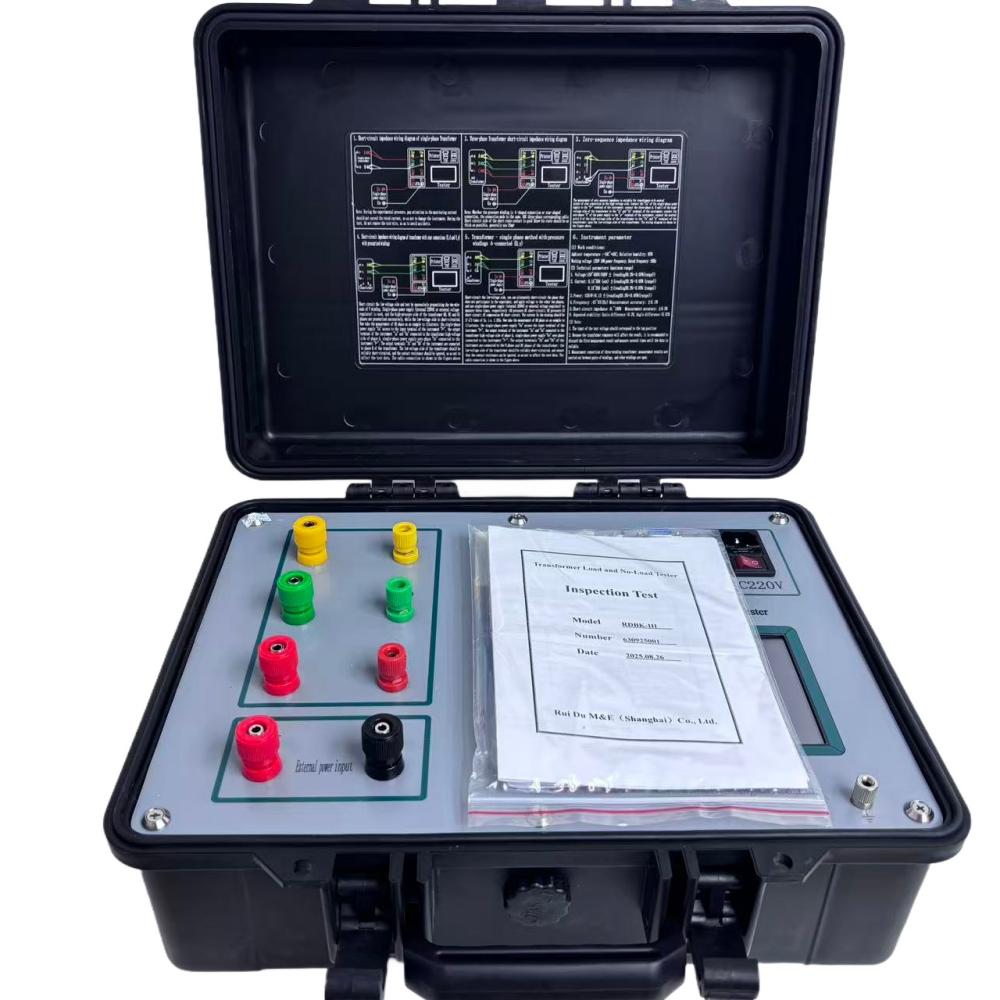
No load loss calculation of transformer plays a key role in efficiency analysis and energy cost control. Engineers, utilities, and manufacturers rely on correct calculation to evaluate core performance and meet efficiency standards.
This article explains the calculation formula, required test conditions, and the role of rated voltage, in a clear and practical way.
What Is No Load Loss Calculation of Transformer?
No load loss calculation of transformer determines the power loss that occurs when the transformer operates at rated voltage with no load connected.
In this condition:
-
The secondary winding stays open
-
No load current flows
-
The transformer still consumes power
This measured power equals the core loss, also called no load loss.
What Is the Formula for No Load Loss Calculation?
How Is No Load Loss Calculated During Testing?
The no load loss calculation uses a simple power measurement formula:
No Load Loss (P₀) = Input Power at Rated Voltage
In practical testing, instruments directly measure:
-
Applied voltage
-
No load current
-
Input power
The measured input power represents the no load loss of the transformer.
Modern transformer testers, such as those developed by Wrindu, calculate this value automatically and reduce manual error.
Why Must Rated Voltage Be Used in No Load Loss Calculation?
What Happens If Voltage Is Not Rated?
Rated voltage is critical in no load loss calculation of transformer.
No load loss depends strongly on voltage. Even a small voltage increase causes a noticeable rise in loss. If voltage drops below rated value, the result appears lower than actual.
For accurate calculation:
-
Apply rated voltage
-
Maintain rated frequency
-
Keep voltage stable during the test
Wrindu test engineers always verify voltage stability before starting measurement.
What Are the Required Test Conditions for Accurate Calculation?
Which Test Conditions Affect No Load Loss Results?
Accurate no load loss calculation of transformer requires controlled test conditions.
Key conditions include:
-
Stable rated voltage
-
Constant rated frequency
-
Open secondary winding
-
Proper core demagnetization
Unstable voltage or residual magnetism often causes inconsistent results. This explains why repeated tests sometimes show different values.
High-precision test equipment helps engineers control these factors and improve repeatability.
How Does Frequency Affect No Load Loss Calculation?
Why Must Frequency Remain Constant?
No load loss depends on both voltage and frequency. A higher frequency increases core loss, even at the same voltage.
During testing:
-
Use rated frequency
-
Avoid frequency fluctuation
-
Monitor input source stability
Wrindu instruments support frequency monitoring to ensure valid test data.
How Is No Load Loss Calculation Used in Efficiency Evaluation?
Why Do Engineers Care About the Calculated Value?
Engineers use no load loss calculation of transformer to:
-
Compare transformer designs
-
Verify compliance with IEC or IEEE limits
-
Estimate lifetime energy cost
Distribution transformers often run at light load. In these cases, no load loss has a greater impact on real efficiency than load loss.
Lower calculated no load loss means lower operating cost over the transformer’s life.
Common Questions from Instrument Users
Why Do Calculated No Load Loss Values Change Between Tests?
Voltage fluctuation and incomplete demagnetization cause most variations. Engineers should stabilize voltage and demagnetize the core before testing.
Can Field Tests Match Factory Calculations?
Yes. With proper procedures and reliable instruments, field testing can achieve results close to factory data. Wrindu testing solutions support both environments.
Does Transformer Aging Affect No Load Loss Calculation?
Yes. Core aging and thermal stress can gradually increase no load loss. Regular calculation helps track performance changes over time.
Why Reliable Instruments Matter for No Load Loss Calculation?
No load loss calculation of transformer depends on accurate power measurement. Poor instruments lead to:
-
Incorrect efficiency classification
-
Disputes during acceptance testing
-
Unreliable performance data
Wrindu focuses on precision, stability, and ease of use to support professional transformer testing.
