

How to Measure DC Leakage Current in High-Voltage Equipment?
Learn how to measure DC leakage current in high-voltage equipment. Step-by-step guide with Wrindu DC Leakage Tester for accurate insulation resistance measurement.
Measuring DC leakage current is a critical task for maintaining the safety and reliability of high-voltage equipment. Accurate leakage current measurement helps detect insulation defects early, prevent unexpected failures, and ensure compliance with industry standards. This guide explains what DC leakage current is, why measurement is important, and how engineers can perform it using modern tools like the Wrindu DC Leakage Tester.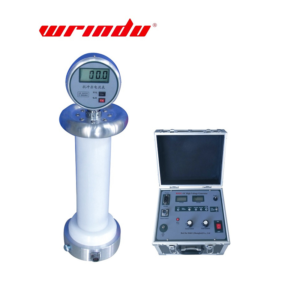
Click the picture to know more about Wrindu DC Leakage Current Tester.
What is DC leakage current and why does it matter?
DC leakage current refers to the small current that flows through the insulation of high-voltage equipment when a DC voltage is applied. While it is usually very low, abnormal increases indicate insulation degradation, moisture ingress, or surface contamination. High insulation resistance is a sign of healthy equipment, while low resistance signals potential problems. Engineers monitor DC leakage current to ensure the safe operation of transformers, switchgear, and other high-voltage equipment.
Why is DC leakage current measurement essential?
Regular leakage current measurement helps identify insulation defects before they lead to serious failures. Common issues detected include:
-
Partial breakdown of insulation
-
Moisture or contamination on cable surfaces
-
Aging of dielectric materials
By measuring DC leakage current, maintenance teams can plan preventive maintenance, avoid downtime, and extend equipment life. Utilities often include DC leakage tests in routine inspections to comply with regulatory standards.
How is DC leakage current measured?
Step-by-step procedure:
-
Select the right tester – Use a precise instrument like the Wrindu DC Leakage Tester for accurate results.
-
Prepare the equipment – Disconnect and safely isolate the high-voltage equipment. Ensure all surfaces are clean and dry.
-
Connect the tester – Attach test leads according to the manufacturer’s instructions.
-
Apply DC voltage gradually – Start at a lower voltage and increase to the rated test voltage.
-
Record the leakage current – Measure the current over a set period to observe stability.
-
Compare with insulation standards – Use the measured insulation resistance to determine if the equipment meets safety criteria.
This method ensures repeatable results while minimizing the risk of damaging equipment.
What factors affect DC leakage current measurements?
Several environmental and equipment-related factors can influence readings:
-
Temperature – High temperatures can increase leakage current.
-
Humidity – Moisture reduces insulation resistance and increases leakage.
-
Insulation condition – Aging or damaged insulation changes current flow.
-
Surface contamination – Dust or oil on surfaces can cause false readings.
Technicians should control these factors during testing to improve accuracy and reliability.
What common questions do users have about DC leakage testing?
Can I measure leakage current on energized equipment?
→ No, always isolate high-voltage equipment before testing for safety.
Why are readings different on similar equipment?
→ Temperature, humidity, and insulation condition affect DC leakage current.
How often should leakage current be tested?
→ Routine measurements are recommended annually or as specified by industry standards.
Using a dedicated instrument like the Wrindu DC Leakage Tester simplifies testing and ensures repeatable results.
Key takeaways for DC leakage current testing
Monitoring DC leakage current is essential for maintaining high-voltage equipment reliability and safety. Accurate leakage current measurement helps detect insulation defects early, plan preventive maintenance, and comply with safety standards. Using modern tools such as the Wrindu DC Leakage Tester ensures precise readings, reduces human error, and supports long-term equipment health.
