

How to Measure Transformer Oil Flash Point and Why It Matters for Safety
Learn what transformer oil flash point is, how it is tested, and why it is critical for fire safety and insulation performance. Improve reliability with Wrindu oil testing solutions.
After understanding the boiling point and freezing point of different oils, another critical parameter in oil performance evaluation is the flash point.
The flash point plays a key role in determining the fire safety and thermal stability of insulating oils, especially in high-voltage power systems.
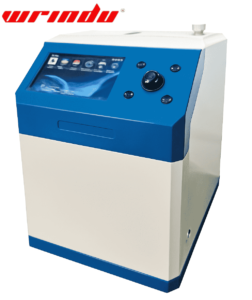
Click the image to know more about Wrindu Automatic Pour Point Freezing Point Tester.
What Is Transformer Oil Flash Point?
The flash point is the lowest temperature at which oil vapors can ignite temporarily when exposed to an ignition source.
It does NOT mean the oil is burning continuously—it only indicates a brief ignition risk.
👉 In transformer applications, a higher flash point means better fire safety performance.
Why Is Flash Point Important in Electrical Systems?
Transformer oil is used for:
- Insulation ⚡
- Cooling 🔥
If the flash point is too low:
- Fire risk increases
- Equipment safety is reduced
- Thermal stability becomes unreliable
👉 That is why flash point testing is a key part of transformer oil quality control.
Flash Point vs Boiling Point
Many users confuse these two parameters:
- Boiling point: liquid turns into vapor continuously
- Flash point: vapor can ignite briefly
👉 Flash point is always lower than boiling point and is more important for safety evaluation.
What Affects Transformer Oil Flash Point?
Several factors can reduce flash point:
- Oil oxidation over time
- Contamination with moisture or particles 💧
- Thermal aging in long-term operation
- Mixing of different oil types
👉 These factors indicate oil degradation and require monitoring.
How Is Flash Point Tested?
Transformer oil flash point is measured using a closed-cup or open-cup tester.
Basic testing process:
- Heat oil sample gradually
- Apply ignition source at intervals
- Record temperature when flash occurs
👉 The result helps determine oil safety classification.
What Is a Good Flash Point for Transformer Oil?
In general:
- High-quality transformer oil has a high flash point (typically above 140°C)
- Higher values indicate better fire resistance and stability
👉 This ensures safe operation in high-load environments.
How Wrindu Oil Testing Solutions Help
Wrindu provides advanced testing equipment designed for accurate oil analysis:
- High-precision flash point measurement
- Stable performance under field conditions
- Suitable for transformer and industrial oil testing
- Supports preventive maintenance strategies
👉 Helps engineers detect oil aging early and improve system safety.
Why Flash Point Testing Is Essential
Without flash point testing:
- Fire risk may go unnoticed
- Oil degradation may accelerate
- Equipment reliability decreases
👉 It is a fundamental safety indicator in transformer oil condition assessment.
FAQs About Transformer Oil Flash Point
Q1: Is flash point related to fire point?
A: Yes. Flash point is when ignition starts briefly, while fire point is when combustion continues.
Q2: Does water contamination affect flash point?
A: Yes. Moisture and impurities can reduce flash point and increase risk.
Q3: Can flash point be restored?
A: Yes. Oil purification and filtration can improve it.
Q4: Why is high flash point important for transformers?
A: It improves fire safety and reduces operational risk.
Q5: How often should flash point be tested?
A: During routine maintenance or oil condition monitoring programs.
