

How to Optimize Power Transformer Performance with OLTC Voltage Regulation
Learn how to boost power transformer performance with OLTC voltage regulation. Discover Wrindu tester advantages and expert FAQs to extend transformer lifespan and cut energy losses.
For utility operators, industrial facilities, and grid maintenance teams, power transformer performance is the lifeblood of reliable, efficient power delivery. Transformers act as the critical link between high-voltage transmission lines and end-user distribution networks, and their operational efficiency directly impacts energy waste, equipment lifespan, and overall grid stability. In today’s dynamic grids—marked by fluctuating loads, renewable energy integration, and strict power quality standards—optimizing power transformer performance requires more than routine upkeep; it demands targeted voltage regulation via advanced on-load tap changing solutions, paired with precision diagnostic tools to sustain peak operation.
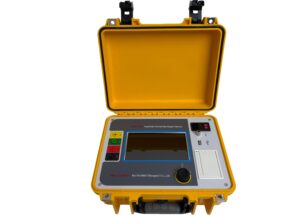
Click the image to know more about OLTC Analyzer.
Why Voltage Regulation Is Non-Negotiable for Peak Power Transformer Performance
Unregulated voltage fluctuations are the single biggest threat to sustained power transformer performance. Overvoltage conditions accelerate insulation degradation, overheat winding components, and shorten transformer service life, while undervoltage forces transformers to operate outside their rated efficiency range, driving up resistive losses and increasing operational costs. Even minor voltage deviations can trigger inefficiencies that compound over time, leading to premature failures, unplanned outages, and costly capital replacements.
Traditional off-circuit tap changers require full transformer shutdown for adjustments, disrupting power flow and hindering consistent power transformer performance. In contrast, OLTC voltage regulation enables real-time, live adjustments to the transformer’s winding turns ratio, maintaining optimal voltage levels without interrupting service. This dynamic tuning keeps transformers operating at their rated efficiency, minimizes thermal stress, and unlocks the full potential of power transformer performance across all load conditions.
Key Strategies to Boost Power Transformer Performance via OLTC Regulation
-
Maintain Tight Voltage Tolerances: OLTC systems keep output voltage within ±0.5% of rated levels, eliminating the stressors that degrade transformer components and hinder performance.
-
Reduce Thermal Wear & Tear: Stable voltage operation lowers winding temperatures and reduces load-related stress, extending the operational lifespan of core transformer parts.
-
Minimize Energy Losses: Optimized voltage control cuts down on no-load and load losses, improving overall grid efficiency and reducing operational expenses for utilities and industrial operators.
-
Adapt to Dynamic Grid Conditions: OLTC regulation responds instantly to load swings and renewable intermittency, ensuring power transformer performance remains consistent even in volatile grid environments.
How Wrindu Testers Stand Out to Maximize Power Transformer Performance
Sustaining peak power transformer performance hinges on proactive, accurate diagnostics of OLTC systems and transformer health. Generic testing tools fail to capture the nuanced metrics that impact transformer efficiency, but Wrindu’s purpose-built testers are engineered exclusively to monitor, troubleshoot, and optimize the OLTC-transformer ecosystem. Here’s how Wrindu outperforms industry alternatives:
1. Transformer-Optimized Diagnostic Precision
Wrindu testers leverage 4-wire Kelvin measurement and high-speed waveform sampling to deliver ultra-accurate readings of OLTC contact resistance, transition timing, and transformer winding integrity. These metrics directly correlate to power transformer performance, allowing technicians to detect tiny inefficiencies before they escalate into performance-limiting faults. Unlike generic testers, Wrindu tools calibrate measurements to transformer load profiles, ensuring data relevance for real-world operation.
2. Integrated Transformer & OLTC Testing Workflows
Wrindu devices combine OLTC diagnostics with transformer turns ratio (TTR) testing, insulation resistance checks, and load loss analysis in a single portable unit. This all-in-one functionality streamlines maintenance, reduces testing time by up to 40%, and provides a holistic view of power transformer performance—eliminating the need for multiple tools and disjointed data collection.
3. Predictive Analytics for Performance Longevity
Equipped with built-in data logging and trend analysis software, Wrindu testers track long-term changes in OLTC and transformer performance, enabling predictive maintenance. By identifying gradual degradation patterns, teams can address issues proactively, preserving peak power transformer performance and avoiding costly unplanned shutdowns.
4. Field-Ready Design for Uninterrupted Testing
Built with rugged IP65-rated housing, lightweight construction, and long-lasting battery power, Wrindu testers are designed for on-site substation use. Technicians can perform full diagnostics without disconnecting transformers or halting power flow, ensuring power transformer performance remains uninterrupted during maintenance cycles.
5. Compliance-Aligned Reporting
Wrindu testers generate automated, grid code-compliant reports that document transformer efficiency, OLTC performance, and voltage regulation metrics. These reports simplify audits, track performance improvements, and provide tangible data to validate investments in optimizing power transformer performance.
FAQs
Q1: What factors directly reduce power transformer performance in modern grids?
A: Voltage fluctuations, unregulated load swings, OLTC malfunctions, insulation degradation, and excessive winding heat are the top factors that diminish power transformer performance and shorten service life.
Q2: How does OLTC voltage regulation improve long-term power transformer performance?
A: OLTC regulation maintains steady voltage output, reduces thermal stress on transformer windings, minimizes energy losses, and prevents premature component wear—all of which boost and sustainpower transformer performance over years of operation.
Q3: Can Wrindu testers identify hidden issues that hurt power transformer performance?
A: Yes. Wrindu testers detect subtle OLTC contact wear, poor winding connections, and insulation weaknesses that are invisible to standard tools, addressing hidden threats to power transformer performance before they cause failures.
Q4: How often should I test transformers to maintain optimal power transformer performance?
A: For heavy-use industrial and utility transformers, full diagnostic testing (OLTC + transformer health checks) is recommended every 12–18 months; standard distribution transformers benefit from testing every 2–3 years to preserve power transformer performance.
Q5: Does optimizing power transformer performance reduce operational costs?
A: Absolutely. Peakpower transformer performance cuts energy losses, lowers cooling costs, extends equipment lifespan, and reduces outage-related expenses, delivering significant long-term cost savings for grid operators.
Q6: Can OLTC upgrades fix poor power transformer performance in older units?
A: Retrofitting modern OLTC systems to older transformers can restore and even enhance power transformer performance by stabilizing voltage, reducing stress, and bringing legacy equipment in line with modern grid efficiency standards.
Q7: Are Wrindu testers compatible with all transformer voltage classes?
A: Yes. Wrindu testers support low-voltage distribution transformers, medium-voltage substation transformers, and high-voltage power transformers, making them versatile for optimizing power transformer performance across all grid segments.
Final Thoughts
Optimizing power transformer performance is a strategic priority for building resilient, cost-effective power grids, and OLTC voltage regulation is the most effective way to achieve this goal. Pairing advanced OLTC systems with Wrindu’s precision diagnostic testers ensures transformers operate at peak efficiency, minimize downtime, and deliver reliable power for decades. For teams focused on elevating grid reliability and reducing operational costs, prioritizing transformer performance with targeted testing and regulation is non-negotiable.
