

Why Is DC Leakage Current Important in Transformer Predictive Maintenance?
Learn how DC leakage current testing detects early insulation issues in transformers, supporting preventive maintenance, reducing failures, and extending equipment lifespan.
Transformer failures often start inside the insulation. The damage grows slowly and stays invisible. And DC leakage current gives early signals of insulation degradation.
During transformer testing, leakage current measurement shows how insulation reacts under DC voltage. A stable and low current means healthy insulation. A rising current often points to aging, moisture, or defects.
For preventive maintenance, using dc leakage testers‘ data helps engineers act before failure happens.
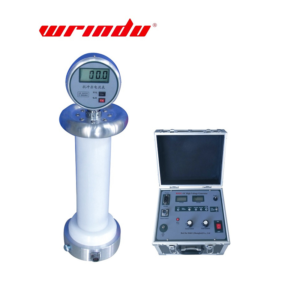
Click the picture to know more about Wrindu DC Leakage Tester.
Why Monitor DC Leakage Current During Preventive Maintenance?
Can DC leakage current detect insulation problems early?
Yes. It responds quickly to insulation weakness.
When insulation degrades, current paths form inside oil, paper, or solid insulation. DC leakage current increases even when AC tests still look normal.
Key benefits of monitoring include:
-
Early detection of insulation degradation
-
Reduced risk of sudden transformer failure
-
Better maintenance planning
Regular transformer testing with DC leakage current builds a clear trend over time.
How Can DC Leakage Testing Support Preventive Maintenance Strategies?
How do maintenance teams use leakage current data?
They use it for condition-based maintenance.
DC leakage tests help teams:
-
Compare current values between phases
-
Track changes across test cycles
-
Decide repair or replacement timing
Preventive maintenance becomes data-driven. Engineers avoid unnecessary shutdowns. Utilities reduce long-term cost.
DC leakage current testing works well during commissioning, routine inspection, and after repair.
What Transformer Problems Can DC Leakage Current Detect?
Which insulation issues show up in leakage current results?
DC leakage current helps detect common transformer problems, such as:
-
Moisture ingress
Water lowers insulation resistance and increases current quickly. -
Insulation cracks
Cracks create uneven current flow under DC voltage. -
Aging and deterioration
Thermal stress and oxidation raise leakage current over time.
These issues often appear before partial discharge or breakdown. That makes leakage current measurement valuable for early warning.
Common Questions from Test Equipment Users
Q: Is DC leakage current testing safe for transformers?
A: Yes, when engineers follow rated voltage and proper procedures.
Q: How often should I measure DC leakage current?
A: Many utilities test yearly or during scheduled preventive maintenance.
Q: Can I rely on DC leakage current alone?
A: No. It works best with insulation resistance and dielectric testing.
Q: Does test equipment accuracy matter?
A: Yes. High-resolution measurement improves trend analysis and decisions.
Why Regular DC Leakage Monitoring Matters?
DC leakage current plays a key role in preventive maintenance for transformers. And It reveals insulation degradation early. It supports smarter transformer testing. It reduces unexpected outages.
By using regular leakage current measurement, maintenance teams protect assets and extend transformer life.
