

How to Prevent PCB Cross-Contamination in Transformer Oil Systems
Learn how PCB cross-contamination occurs in transformers, oil filtration systems, storage tanks, and maintenance equipment, and how to prevent it.
What Is PCB Cross-Contamination in Transformer Oil?
PCB cross-contamination occurs when PCB-containing oil or contaminated materials transfer PCBs into previously uncontaminated insulating oil or equipment.
This problem can occur during transformer maintenance, oil replacement, filtration, transportation, and storage.
A transformer may originally contain mineral insulating oil without intentionally added PCBs. However, contaminated pumps, hoses, tanks, or other equipment can introduce PCBs into that oil.
According to UNEP PCB management guidance, oil handling and the mixing of contaminated and uncontaminated equipment are important cross-contamination risks.
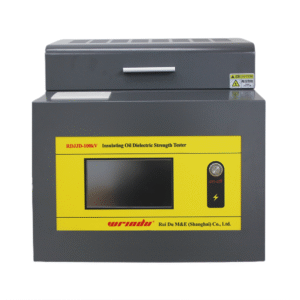
Click the image to know more about Wrindu Oil BDV Tester.
How Does PCB Cross-Contamination Occur During Transformer Maintenance?
Several maintenance activities can introduce PCBs into insulating oil.
| Contamination source | How contamination occurs | Possible result |
|---|---|---|
| Shared oil pumps | A pump transfers oil from contaminated equipment | PCB enters another transformer’s oil |
| Shared hoses | Residual oil remains inside hoses | Contaminated oil mixes with clean oil |
| Oil filtration equipment | Filters or internal components contain PCB residues | PCBs transfer during oil treatment |
| Shared storage tanks | Different oil batches enter the same tank | The entire batch may become contaminated |
| Oil topping-up | Contaminated replacement oil enters the transformer | PCB concentration increases |
| Recycled oil | Recovered oil comes from an uncontrolled source | PCB contamination remains undetected |
A particularly important risk involves equipment that previously handled PCB-containing oil.
Even after operators drain the equipment, residual contamination may remain inside pumps, hoses, tanks, and other components.
Why Can PCB Remain Inside a Transformer After Oil Replacement?
Draining and replacing insulating oil does not always remove all PCBs from a transformer.
Some transformer components contain porous materials, including:
-
Cellulose paper insulation.
-
Pressboard insulation.
-
Wood support components.
-
Other porous insulating materials.
PCBs can remain in these materials and gradually transfer back into replacement oil.
This process can increase the PCB concentration after an oil change.
For this reason, a single test immediately after oil replacement may not establish the transformer’s long-term PCB classification.
UNEP guidance specifically identifies PCB retention in porous transformer materials as a source of contamination after replacement with mineral oil.
wedocs.unep.org+1
Which Oil Handling Equipment Can Transfer PCB Contamination?
Oil processing systems require particular attention because they handle insulating liquids from multiple transformers.
| Equipment | Main contamination risk | Prevention measure |
|---|---|---|
| Oil transfer pump | Residual contaminated oil | Dedicated equipment or validated decontamination |
| Oil hose | Oil remains inside the hose | Separate hoses for different oil classifications |
| Filtration machine | Residual oil inside the system | Verify cleaning and decontamination procedures |
| Vacuum oil treatment plant | Internal oil residues | Control the source of each oil batch |
| Storage tank | Mixing of different oil batches | Separate and identify storage tanks |
| Oil transport vehicle | Residual oil from previous loads | Verify cleaning and transport records |
| Sampling accessories | Transfer between sample sources | Use separate or properly decontaminated accessories |
Do not assume that draining a hose, pump, or tank removes all PCB residues.
The responsible team should establish a documented cleaning and verification procedure before using shared equipment for another oil classification.
How Can Transformer Maintenance Teams Prevent PCB Cross-Contamination?
Wrindu engineers recommend controlling the entire oil handling process rather than focusing only on the transformer.
1. Identify the oil classification before maintenance
Review the transformer nameplate, oil records, and previous PCB test reports.
If the PCB status remains unknown, follow the applicable regulatory assumptions and sampling requirements.
2. Separate contaminated and uncontaminated equipment
Use dedicated pumps, hoses, tanks, and oil processing equipment where practical.
Clearly identify equipment that has handled PCB-containing oil.
3. Control replacement oil sources
Check the source and PCB status of replacement insulating oil.
Do not mix oil from unknown sources with oil that has an established PCB classification.
4. Establish equipment cleaning procedures
Create written procedures for cleaning and decontaminating pumps, hoses, tanks, and processing machines.
The procedure should specify suitable cleaning methods and verification requirements.
5. Maintain oil transfer records
Record the oil source, destination transformer, quantity, equipment used, and maintenance date.
These records help identify possible contamination routes if a later laboratory test produces an unexpected result.
How Should You Manage PCB-Contaminated Oil and Clean Oil Separately?
Oil segregation reduces the risk of spreading contamination across an entire maintenance operation.
A practical oil management system should separate materials according to their verified status and applicable regulatory requirements.
| Material category | Storage approach | Management requirement |
|---|---|---|
| PCB status confirmed below applicable limit | Identified clean-oil storage | Maintain test and source records |
| PCB status unknown | Separate quarantine storage | Arrange appropriate PCB analysis |
| PCB-contaminated oil | Dedicated identified storage | Follow applicable handling and disposal rules |
| Oil from mixed or uncertain sources | Separate storage | Assess contamination before reuse |
| PCB-contaminated maintenance waste | Separate waste containers | Follow applicable waste management requirements |
Never mix unknown oil with verified clean oil to simplify storage.
The US EPA also warns that introducing PCB-contaminated oil into non-PCB used oil can cause the entire mixed volume to require regulated disposal. Its fact sheet identifies the 50 ppm threshold for used oil under the relevant US TSCA requirements.
US EPA+1
Other countries may apply different limits and waste classification requirements.
Can Oil Filtration Remove PCB from Transformer Oil?
Conventional oil filtration does not automatically remove PCB contamination.
A filtration system designed to remove particles, moisture, or gases does not necessarily remove dissolved PCB compounds.
The treatment result depends on the specific process and its validated performance.
| Oil treatment process | Main purpose | Does it establish PCB removal? |
|---|---|---|
| Particle filtration | Removes solid particles | No |
| Vacuum dehydration | Reduces moisture | No |
| Vacuum degassing | Removes dissolved gases | No |
| Oil regeneration | Improves selected oil properties | Not without validated PCB removal evidence |
| Specialized PCB treatment | Targets PCB removal | Requires a validated process and verification testing |
A transformer oil BDV tester measures breakdown voltage. It cannot confirm whether PCB contamination exists or whether a treatment process has removed PCBs.
Similarly, moisture and dielectric loss testers measure different oil properties.
After any specialized PCB treatment, the responsible laboratory should test the treated oil using an appropriate validated analytical method.
What Should You Check Before Reusing or Recycling Transformer Oil?
Before reusing or recycling insulating oil, review its source and contamination history.
Use the following checklist:
-
Confirm the original transformer or oil source.
-
Review previous PCB laboratory reports.
-
Check whether the oil has mixed with other batches.
-
Review the pumps, hoses, and tanks used during transportation.
-
Confirm the oil treatment process.
-
Arrange PCB testing when the contamination status remains uncertain.
-
Check local environmental and waste management requirements.
Oil quality tests and PCB analysis serve different purposes. A satisfactory BDV result does not establish that the oil is free from PCBs.
What Should You Do If PCB Cross-Contamination Is Suspected?
Stop transferring or mixing the potentially affected oil until the contamination status becomes clear.
Then follow these steps:
-
Identify all transformers and oil batches involved.
-
Isolate the suspected oil and associated storage equipment.
-
Review oil transfer, filtration, and maintenance records.
-
Collect representative samples under an approved sampling plan.
-
Arrange PCB analysis through a qualified laboratory.
-
Assess the affected equipment and materials under applicable regulations.
-
Document the investigation and corrective actions.
Do not return suspected contaminated oil to normal service before completing the required assessment.
How Can PCB Testing Support Transformer Oil Management?
PCB analysis helps equipment owners identify contamination before oil reuse, equipment transfer, or disposal.
However, PCB analysis should form part of a wider oil management program.
| Testing equipment or method | Measurement purpose | Can it directly determine PCB concentration? |
|---|---|---|
| Oil BDV tester | Dielectric breakdown voltage | No |
| Moisture tester | Water content | No |
| Tan delta tester | Dielectric dissipation factor | No |
| Acidity tester | Acid number | No |
| DGA system | Dissolved fault gases | No |
| PCB analytical system | PCB concentration | Yes, with a validated method |
Wrindu provides transformer oil testing instruments for routine insulating oil condition monitoring, including BDV, moisture, acidity, and dielectric loss testing.
These instruments do not replace dedicated PCB laboratory analysis.
For more information about PCB analytical methods and transformer oil contamination, read our main guide: PCB Testing in Transformer Oil: Methods, Standards, and Procedures.
Reference sources:
