

How to Reduce Noise in Cable Fault Pinpointing?
Learn how to reduce cable fault noise during pinpointing and how the Wrindu RDCD-Ⅱ/503D multifunction locator improves signal clarity, accuracy, and underground cable fault detection efficiency.
Accurate cable fault pinpointing depends on clear signal detection. However, cable fault noise often interferes with acoustic and magnetic signals in the field.
Traffic vibration, electromagnetic interference, and weak discharge energy can all reduce locating accuracy.
This article explains practical ways to reduce noise in cable fault detection and shows how the Wrindu RDCD-Ⅱ/503D Cable Fault Pinpoint Locator (multifunction) improves real test results.
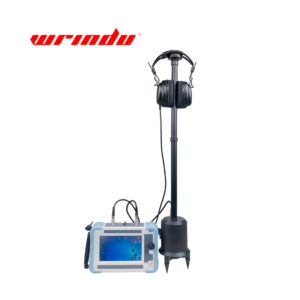
Click the picture to know more about Wrindu RDCD-Ⅱ/503D Cable Fault Pinpoint Locator (multifunction).
What Causes Noise During Cable Fault Pinpointing?
Noise comes from several common sources:
-
Environmental vibration from vehicles, construction, or wind
-
Electromagnetic interference from nearby power lines or equipment
-
Weak impulse discharge signals at high-resistance fault points
-
Improper sensor grounding or placement
These factors hide the real discharge sound and reduce fault locating precision.
Why Is Noise Control Important for Accurate Fault Location?
Good noise control brings three key benefits:
Clear Signal Recognition
Low noise helps engineers hear the true acoustic peak of the fault.
Higher Pinpoint Accuracy
Stable signals reduce false positions and repeated testing.
Faster Field Work
Less interference shortens locating time and improves maintenance efficiency.
For underground networks, noise reduction directly improves cable fault repair speed.
How Can Engineers Reduce Cable Fault Noise in the Field?
Engineers can follow several practical steps:
1. Choose the Right Test Time
Test during low traffic periods such as early morning or late evening.
Less vibration means clearer acoustic signals.
2. Adjust Impulse Discharge Energy
Increase energy step by step for high-resistance faults.
Stronger discharge produces clearer sound and magnetic response.
3. Optimize Sensor Placement
Place the ground microphone:
-
Directly above the cable route
-
Firmly on compact soil or pavement
-
Away from metal covers or loose surfaces
Correct placement reduces background vibration.
4. Use Dual-Signal Detection Technology
An acoustic magnetic locator compares sound and magnetic signals.
Magnetic sensing remains stable even in noisy environments.
This method greatly improves underground cable fault pinpointing accuracy.
How Does the Wrindu RDCD-Ⅱ/503D Help Reduce Noise Interference?
The Wrindu RDCD-Ⅱ/503D Cable Fault Pinpoint Locator (multifunction) provides advanced tools for low-noise cable fault detection:
-
Synchronous acoustic and magnetic sensing filters environmental noise
-
High-sensitivity sensors capture weak discharge signals
-
Clear signal display supports fast field judgment
-
Portable multifunction design suits complex urban cable routes
These features help engineers achieve stable and reliable pinpoint results even in noisy conditions.
Common Questions About Cable Fault Noise Reduction
Q1: What is the most effective way to reduce cable fault noise?
Use acoustic-magnetic dual detection. Magnetic signals remain stable when sound becomes unclear.
Q2: When should I perform cable fault pinpoint testing?
Test during low environmental vibration periods. Early morning or late evening gives clearer signals.
Q3: Why does the discharge sound sometimes disappear?
Impulse energy may be too low or noise may be too strong. Increase energy gradually and check sensor placement.
Q4: How does the RDCD-Ⅱ/503D improve noisy field testing?
It combines acoustic and magnetic sensing for reliable confirmation. This design reduces false points and shortens locating time.
Wrindu Expert Review
Cable fault noise remains a major challenge in underground fault pinpointing.
Without proper control, engineers may face:
-
False signal peaks
-
Long locating time
-
Reduced repair efficiency
By applying correct impulse energy, proper sensor placement, and acoustic-magnetic technology, teams can greatly improve locating accuracy.
With the Wrindu RDCD-Ⅱ/503D Cable Fault Pinpoint Locator (multifunction), engineers gain:
-
Strong noise resistance
-
Clear dual-signal verification
-
Faster and more reliable cable fault detection
Effective noise reduction in cable fault pinpointing leads to safer maintenance and more stable power networks.
