

How to Safely Perform DC High-Voltage Testing on Transformers?
Learn how to safely perform DC high-voltage testing on transformers, ensuring insulation resistance, dielectric testing accuracy, and high-voltage safety.
DC high-voltage testing is essential for transformer testing, but it carries serious risks if safety is ignored. High voltage can cause lethal electric shock and damage insulation if mishandled.
By following proper procedures, engineers can measure insulation resistance and dielectric strength safely, protecting both personnel and equipment.
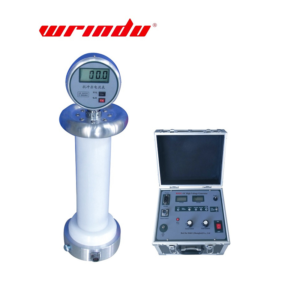
Click the picture to know more about Wrindu DC Withstand high-voltage Tester.
What Is the Step-by-Step Procedure for DC High-Voltage Testing?
Performing DC high-voltage testing requires careful planning and control. A typical procedure includes:
-
Preparation: Inspect transformer, ensure clean and dry surfaces, and remove nearby conductive materials.
-
Connection: Properly connect the DC high-voltage tester to the transformer windings.
-
Voltage Ramp-Up: Increase voltage gradually in steps, monitoring leakage current at each stage.
-
Observation: Look for sudden spikes or unstable leakage current, which may indicate insulation defects.
-
Voltage Ramp-Down: Slowly decrease voltage after the test, allowing the insulation to stabilize.
-
Discharge: Use a high-resistance discharge rod to safely release stored energy before touching terminals.
This step-by-step method ensures accurate dielectric testing and reduces the risk of accidents.
What Safety Measures Protect Personnel and Equipment?
Proper safety measures are critical during transformer testing.
-
Always wear insulated gloves and safety gear.
-
Keep a safe distance from live parts.
-
Use insulated tools and grounding equipment.
-
Test in a controlled environment with warning signs.
-
Ensure the DC high-voltage tester has stable output and proper current limiting.
Following these measures prevents accidents and maintains insulation integrity.
What Are Common Safety Mistakes to Avoid During Testing?
Test engineers often make mistakes that compromise safety and accuracy.
-
Skipping voltage ramp steps: Sudden voltage increases can damage insulation.
-
Ignoring leakage current trends: Sharp rises may indicate defects that need attention.
-
Touching terminals too soon: Transformers hold residual charge like a capacitor.
-
Testing in humid or dirty conditions: Moisture can create false readings or dangerous surface leakage.
Avoiding these mistakes ensures reliable transformer testing and high-voltage safety.
How Can You Ensure Safety During DC Testing?
Regular training, proper tools, and strict adherence to procedures are key.
Use a DC high-voltage tester designed for transformer testing, monitor insulation resistance carefully, and follow standard guidelines for dielectric testing.
Safe testing protects personnel, preserves equipment, and provides accurate results for preventive maintenance.
