

Low-Temperature Failure Risks in Transformer Systems: Real Case Analysis
Learn how low temperatures affect transformer oil performance, causing circulation failure, wax formation, and insulation risks. Discover real case analysis and prevention strategies.
Transformer oil is designed to provide both electrical insulation and effective cooling, but its performance can be severely compromised in low-temperature environments. When oil loses its ability to flow properly, the entire thermal and insulation balance inside a transformer is disrupted—sometimes with serious consequences.
This article explores real-world failure risks caused by low-temperature conditions and explains how these issues develop inside transformer systems.
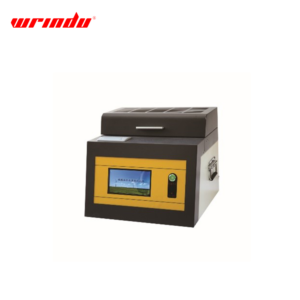
Click the image to know more about Wrindu BDV Tester.
Why Low Temperature Is a Hidden Risk in Power Systems
In cold climates, transformer oil may approach or exceed its pour point or cloud point, leading to:
- Reduced oil circulation
- Increased viscosity
- Formation of wax crystals
- Blockage of narrow cooling channels
👉 These changes are not always immediately visible but can gradually lead to localized overheating and insulation stress.
Case Study 1: Circulation Failure in a Substation Transformer
Background:
A utility substation operating in a northern region experienced abnormal temperature rise during winter, despite normal load conditions.
What Happened:
- Ambient temperature dropped below -15°C
- Transformer oil viscosity increased significantly
- Oil circulation slowed down inside radiators
- Cooling efficiency dropped
Result:
- Hotspots developed in winding areas
- Insulation aging accelerated
- Transformer protection system triggered an alarm
👉 The root cause was identified as oil with an insufficiently low pour point, making it unsuitable for the operating environment.
Case Study 2: Wax Formation Blocking Oil Channels
Background:
An industrial transformer showed uneven temperature distribution and reduced cooling performance during cold startup conditions.
What Happened:
- Oil temperature dropped near its cloud point
- Wax crystals began forming inside the oil
- Fine oil ducts and radiator fins became partially blocked
Result:
- Restricted oil flow in critical areas
- Heat accumulation in localized zones
- Increased risk of insulation degradation
👉 This case highlights how cloud point-related wax formation can directly impact transformer reliability.
Case Study 3: Combined Effect of Moisture and Low Temperature
Background:
A transformer that had been in service for over 10 years experienced sudden insulation performance decline during winter.
What Happened:
- Moisture contamination was present in the oil
- Low temperatures caused water to separate and partially freeze
- Oil flow characteristics worsened further
Result:
- Dielectric strength decreased
- Risk of partial discharge increased
- Maintenance intervention became urgent
👉 Low temperature can amplify existing oil contamination issues, making regular monitoring essential.
Key Failure Mechanisms in Low-Temperature Conditions
From these cases, several common failure mechanisms can be identified:
1. Reduced Heat Dissipation
Higher viscosity limits oil movement, reducing heat transfer efficiency.
2. Localized Hotspots
Poor circulation leads to uneven temperature distribution inside the transformer.
3. Insulation Stress
Thermal imbalance accelerates insulation aging and degradation.
4. Mechanical Blockage
Wax crystals can physically obstruct oil pathways.
5. Electrical Risk Increase
Moisture and contamination combined with low temperature reduce dielectric strength.
How to Prevent Low-Temperature Failures
To avoid these risks, utilities and industrial operators should adopt a proactive approach:
✔ Select Suitable Oil
- Ensure low pour point and low cloud point
- Match oil properties with minimum ambient temperature
✔ Perform Regular Oil Testing
- Monitor key parameters such as viscosity, moisture, and dielectric strength
- Track changes over time
✔ Improve System Design
- Use oil circulation systems optimized for cold environments
- Consider auxiliary heating if necessary
✔ Implement Preventive Maintenance
- Schedule inspections before winter seasons
- Address contamination and aging early
The Role of Testing in Risk Mitigation
Accurate oil testing is critical to identifying potential issues before they lead to failure.
By combining:
- Low-temperature tests (pour point, cloud point)
- Electrical tests (dielectric strength)
- Chemical analysis (moisture, acidity)
👉 Operators can build a complete picture of oil condition and make informed maintenance decisions.
Conclusion
Low-temperature conditions pose a serious but often underestimated risk to transformer systems. As shown in real-world cases, issues such as poor oil flow, wax formation, and moisture interaction can lead to overheating, insulation degradation, and even system failure.
👉 The key to preventing these problems lies in:
- Proper oil selection
- Regular oil testing
- Continuous monitoring
By taking a proactive approach, operators can ensure reliable transformer performance—even in the harshest environments.
