

No Load Loss and Energy Efficiency Regulations: What Utilities and Engineers Need to Know?
Explore how global energy efficiency regulations impact transformer no load loss. Learn why accurate testing is critical for compliance and policy-driven projects.
Energy efficiency regulations now influence how transformers are selected, tested, and approved.
Among all efficiency indicators, no load loss of transformer has become a core policy metric. Regulators focus on it because it exists at all times and directly affects national energy consumption and carbon targets.
This article explains how global energy efficiency regulations shape no load loss requirements, how policy trends affect utilities and manufacturers, and how accurate testing supports compliance.
Why do energy efficiency regulations focus on transformer no load loss?
Regulators focus on no load loss because it occurs whenever a transformer is energized, even with zero load. Unlike load loss, it does not depend on customer demand or operating conditions. Over a transformer’s lifetime, this constant loss creates a large and predictable energy cost. From a policy perspective, reducing no load loss delivers permanent efficiency gains without changing grid behavior, which makes it one of the easiest targets in transformer energy regulation.
How are global efficiency regulations changing transformer requirements?
Global regulations now show a clear trend toward stricter efficiency control. Many regions have introduced mandatory minimum efficiency levels, while others apply tiered limits based on transformer rating and voltage class. These policies no longer treat efficiency as a recommendation. They treat it as a compliance condition. As a result, utilities demand documented no load loss values, and manufacturers must prove performance through testing rather than design claims.
How do major regions regulate transformer no load loss today?
In North America, energy regulations define minimum efficiency values that directly cap allowable no load loss. Utilities often require test reports during procurement and acceptance. In the European Union, Ecodesign rules emphasize lifecycle energy use and carbon reduction, making no load loss a key evaluation factor. In Asia and emerging markets, governments tighten efficiency limits each year, especially for grid and renewable projects. These policies drive strong demand for accurate and repeatable no load loss testing across regions.
How does no load loss affect regulatory compliance and project approval?
No load loss now influences more than transformer efficiency labels. It affects tender qualification, utility acceptance, energy audits, and even carbon reporting. A transformer can meet electrical performance requirements but still fail regulatory approval if no load loss exceeds policy limits. This reality shifts no load loss from a technical parameter to a decision-making factor, especially in policy-driven projects.
What challenges do engineers face when testing no load loss?
Many engineers report unstable readings, voltage distortion effects, and result differences between factory and site tests. Some struggle to meet accuracy requirements under field conditions. Others face disputes when test results do not match declared values. These issues increase compliance risk and delay acceptance. Under strict energy regulations, even small measurement errors can cause rejection, which makes test method and instrument selection critical.
Why is accurate no load loss measurement essential under energy regulations?
Energy efficiency regulations rely on measured data, not estimated values. Authorities and utilities expect traceable, repeatable, and well-documented results. Accurate measurement protects manufacturers from disputes and helps utilities verify compliance. When policy limits tighten, measurement uncertainty becomes a risk factor. Reliable instruments reduce that risk and support long-term regulatory confidence.
How does Wrindu No Load Loss Tester support regulatory-driven testing?
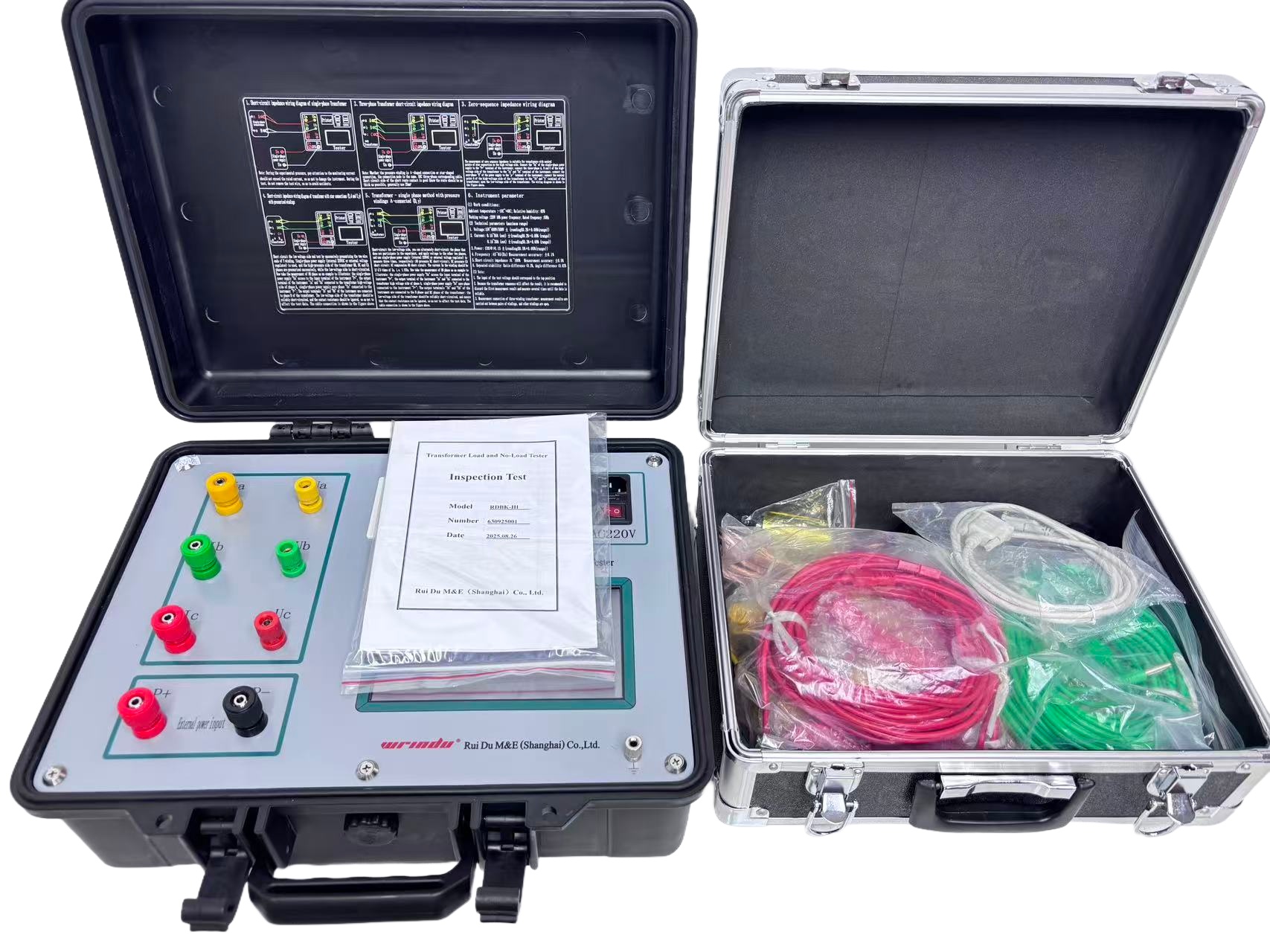
The Wrindu No Load Loss Tester is designed to meet modern efficiency testing needs. It provides stable measurement at rated voltage, high accuracy for low-loss transformers, and clear data records for audits and acceptance. Engineers use it in both factory and on-site testing to confirm compliance with transformer energy regulation requirements before approval. This helps reduce disputes and improve testing efficiency.
When should no load loss testing be performed for policy compliance?
Best practice includes testing during factory acceptance, site acceptance, commissioning, and efficiency audits. Early testing helps identify issues before installation, while on-site testing confirms real operating conditions. Utilities that delay no load loss verification often face schedule pressure when policy checks occur late in the project cycle.
How does reducing no load loss support energy and carbon goals?
Lower no load loss reduces lifetime energy waste and base-load demand on the grid. It also lowers indirect carbon emissions across the transformer’s service life. Many efficiency policies now link transformer performance to national sustainability targets. In this context, no load loss becomes both a technical and environmental indicator.
What should buyers and utilities ask about no load loss testing?
Buyers should confirm which standard defines the no load loss limit, how the value was measured, what instrument accuracy was used, and whether results can be verified on site. Clear answers protect utilities, reduce procurement risk, and align projects with regulatory expectations.
