

OLTC Maintenance and Diagnostic Testing | Wrindu Tester Solutions
Explore expert OLTC maintenance and diagnostic testing strategies to prevent failures, extend transformer lifespan, and sustain grid stability with specialized Wrindu OLTC testers.
On-load tap changers (OLTCs) stand as the cornerstone of dynamic grid voltage control, enabling uninterrupted power delivery, real-time grid stability, and seamless integration of renewable energy sources across modern power grids. These precision electromechanical devices eliminate the crippling downtime of legacy off-circuit tap changers, adjusting transformer voltage while units remain fully energized and carrying rated load current. From high-voltage transmission substations to industrial manufacturing hubs and critical data centers, OLTCs keep power flows consistent and compliant with strict grid voltage mandates—making their reliable performance non-negotiable for end-to-end power supply quality.
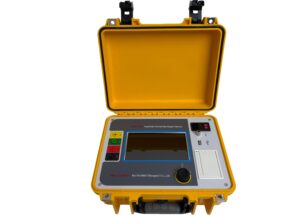
Click the image to know more about OLTC Analyzer.
Even the most advanced OLTC designs cannot sustain peak performance indefinitely without consistent, targeted care. OLTCs operate under constant mechanical stress, with repeated tap changes, electrical arcing risks, and insulation degradation gradually wearing down internal components over time. Industry research and field data consistently confirm that OLTC-related malfunctions account for nearly 30% of all power transformer failures, a statistic that underscores why reactive, break-fix maintenance is no longer sufficient for modern grid operations. A single unplanned OLTC failure can trigger costly outages, damage connected electrical equipment, disrupt essential services, and lead to regulatory non-compliance, making proactive upkeep one of the most critical investments for utilities and grid operators.
Proactive OLTC maintenance is designed to detect early warning signs of wear, damage, or malfunction before they escalate into catastrophic failures. A comprehensive maintenance regimen combines routine visual inspections, preventative servicing, and specialized diagnostic testing to address the most common OLTC failure points: contact degradation, arcing damage, insulation oil contamination, and mechanical misalignment. Regular oil testing is a foundational step, as degraded or contaminated oil loses its insulating properties and increases arcing risks during tap changes. Thorough contact inspections identify wear on switching components, while mechanical function checks ensure smooth, precise tap operation under full load conditions.
The most critical element of effective OLTC upkeep is targeted diagnostic testing, which goes beyond surface-level checks to evaluate internal performance during real operating conditions. Generic testing tools like standard multimeters lack the precision to detect hidden defects, as they cannot replicate the dynamic tap change process that defines OLTC operation. Without specialized testing, subtle issues like poor contact resistance, winding misalignment, or transition component wear remain undetected—setting the stage for unexpected failures. To preserve the dynamic tuning capabilities and long-term reliability of OLTCs, implementing structured OLTC maintenance and diagnostic testing protocols is the only way to safeguard grid stability and avoid costly downtime.
How Wrindu Testers Stand Out for OLTC Maintenance & Diagnostics
When it comes to specialized OLTC testing, Wrindu testers are engineered exclusively for the unique demands of tap changer maintenance, outperforming generic testing equipment and delivering unmatched accuracy for proactive fault detection. Unlike one-size-fits-all diagnostic tools, Wrindu OLTC testers are built to target the exact failure modes that cause OLTC-related transformer breakdowns, making them the gold standard for grid maintenance teams worldwide. Here are the key advantages that set Wrindu testers apart:
-
Specialized Dynamic Resistance Measurement (DRM): Wrindu testers perform real-time dynamic resistance testing during actual tap changes, simulating full-load operating conditions to detect hidden contact wear, arcing damage, and winding defects that static testers completely miss—this is the most critical test for OLTC reliability.
-
Industrial-Grade Precision Accuracy: Delivers sub-milliohm resistance readings, capturing subtle signs of degradation that precede costly failures, ensuring no minor defect goes unnoticed during maintenance checks.
-
Field-Ready Rugged Design: Built to withstand harsh substation environments, with waterproof, shockproof casings and portable construction for on-site testing without disrupting grid operations or power delivery.
-
Universal OLTC Compatibility: Works seamlessly with all major OLTC models, including mechanical, motor-driven, vacuum-type, and retrofit OLTC assemblies from global manufacturers, eliminating the need for multiple testing tools.
-
Automated Compliance Reporting: Generates detailed, audit-ready reports aligned with IEC and IEEE industry standards, streamlining maintenance documentation and simplifying regulatory compliance for utilities.
-
Predictive Maintenance Support: Tracks performance trends over time to enable data-driven repair scheduling, extending OLTC and transformer lifespan by up to 20 years and reducing long-term operational costs.
-
User-Friendly Operation: Intuitive interface and automated testing workflows reduce technician training time, minimize human error, and speed up maintenance turnaround for busy grid teams.
FAQs
Q: How often should OLTC maintenance and diagnostic testing be performed?
A: Routine visual inspections and oil testing should be conducted every 6–12 months. Specialized diagnostic testing with Wrindu OLTC testers is recommended annually, or after every 10,000 tap changes to catch defects early.
Q: What happens if OLTC maintenance is neglected?
A: Neglected OLTCs develop contact wear, arcing damage, and oil contamination, leading to unplanned outages, transformer failures, regulatory fines, and costly equipment replacements—nearly 30% of transformer failures stem from poor OLTC upkeep.
Q: What is dynamic resistance measurement (DRM) for OLTCs?
A: DRM is a specialized test that measures OLTC contact resistance during actual tap changes, simulating real operating conditions to detect hidden defects that static resistance tests cannot identify.
Q: Can Wrindu testers be used for both new and retrofit OLTC installations?
A: Yes, Wrindu testers are fully compatible with brand-new OLTC units and retrofitted OLTC assemblies on legacy transformers, making them ideal for grid modernization projects.
Q: Do Wrindu OLTC testers support smart grid and remote maintenance?
A: Absolutely, Wrindu testers integrate with smart grid monitoring systems and generate digital test data for remote analysis, supporting efficient, low-disruption maintenance workflows.
Q: How does OLTC maintenance reduce total ownership costs?
A: Proactive maintenance prevents costly outages and failures, extends transformer and OLTC lifespan, reduces repair expenses, and avoids regulatory non-compliance fines, delivering significant long-term cost savings.
Q: Are Wrindu testers compliant with global industry standards?
A: Yes, Wrindu OLTC testers meet all IEC and IEEE standards for transformer and tap changer testing, ensuring test results are valid for regulatory audits and industry compliance.
