

OLTC Technology: The Key to Stable Voltage Regulation in Power Grids
Discover how OLTC technology enables stable voltage regulation in modern power grids. Learn how Wrindu testers optimize OLTC performance with advanced diagnostics and long-tail FAQs.
Against the backdrop of rapidly evolving power grids and rising demand for consistent power quality, OLTC technology has emerged as the cornerstone of modern voltage control strategies. This advanced engineering solution addresses the inherent volatility of contemporary electrical networks, bridging the gap between fluctuating energy inputs, variable consumer loads, and strict grid code requirements for stable voltage delivery. Unlike outdated voltage regulation methods, OLTC technology delivers dynamic, real-time tuning that scales with smart grid upgrades, renewable energy adoption, and global electrification goals, making it indispensable for utility providers and grid operators worldwide.
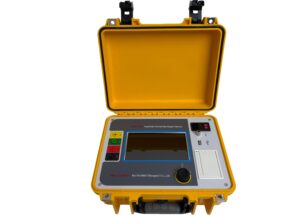
Click the image to know more about OLTC Analyzer.
The Evolution & Core Advantages of Modern OLTC Technology
OLTC technology has undergone decades of refinement to meet the rigorous demands of high-voltage transmission, distribution, and industrial power systems, moving beyond basic mechanical switching to intelligent, grid-integrated functionality. This technological advancement is designed to eliminate the limitations of static voltage control, offering unparalleled flexibility and precision for maintaining grid stability.
Modern iterations of OLTC technology feature enhanced mechanical durability, digital control modules, and seamless SCADA integration, enabling automated voltage adjustments based on real-time grid data. Key performance benefits include extended operational lifespans, reduced energy waste across transmission lines, and enhanced protection for connected electrical assets—all while eliminating the service interruptions that plagued legacy voltage regulation equipment. This technology is purpose-built to counteract voltage sags, swells, and fluctuations driven by renewable intermittency, peak load surges, and long-haul transmission losses, solidifying its role as the backbone of reliable power delivery.
Why OLTC Technology Performance Demands Specialized Diagnostic Testing
Even the most robust OLTC technology relies on consistent, accurate diagnostics to maintain peak functionality and avoid costly performance lapses. Over time, mechanical wear, contact degradation, insulation fatigue, and oil contamination can erode the efficiency of voltage regulation systems, directly undermining grid stability and leading to unplanned outages.
Generic testing equipment lacks the specificity to assess the nuanced performance metrics of OLTC technology, leaving critical defects undetected and increasing the risk of catastrophic failures. This is where purpose-built diagnostic tools become essential, and Wrindu’s dedicated testing solutions are engineered to unlock the full potential of OLTC technology while simplifying maintenance workflows for field teams.
How Wrindu Testers Stand Out for Optimizing OLTC Technology Performance
Wrindu has engineered its testing portfolio to complement and elevate OLTC technology, addressing the unique diagnostic needs of advanced voltage regulation systems with industry-leading innovation. These testers are not universal tools—they are customized to validate, troubleshoot, and prolong the lifespan of cutting-edge OLTC systems, setting a new standard for grid maintenance efficiency.
1. Tailored Diagnostic Protocols for Advanced OLTC Technology
Wrindu testers feature proprietary firmware built exclusively for analyzing modern OLTC technology, capturing high-resolution data on switching dynamics, contact resistance stability, and digital control loop performance. Unlike standard test gear, these devices identify micro-defects in intelligent OLTC modules, ensuring the technology operates at full capacity to maintain strict voltage tolerances and grid compliance.
2. Real-Time Dynamic Monitoring Capabilities
Equipped with high-speed sampling sensors and waveform analysis tools, Wrindu testers monitor OLTC technology performance during live operation, capturing transient data that static tests miss. This real-time insight allows technicians to resolve performance bottlenecks before they impact voltage regulation, maximizing the reliability and responsiveness of OLTC systems in dynamic grid environments.
3. Smart Connectivity & Predictive Maintenance Integration
Wrindu testers support IoT and cloud connectivity, aligning with the digital transformation of OLTC technology. Test data is synced automatically to centralized maintenance platforms, enabling predictive analytics, trend tracking, and proactive repairs. This data-driven approach minimizes unplanned downtime and ensures OLTC technology consistently delivers optimal voltage control.
4. Rugged Reliability for Field Deployment
Designed for harsh substation and field conditions, Wrindu testers boast shock-resistant casings, long-lasting battery life, and weatherproof ratings. This portability allows on-site diagnostics ofOLTC technology without equipment removal or grid shutdowns, preserving continuous power delivery and reducing maintenance-related disruptions.
5. Global Standard Compliance & User-Centric Design
All Wrindu testing tools adhere to IEC, ANSI, and other international grid standards, ensuring compatibility with every iteration of OLTC technology across global markets. The intuitive interface, one-touch testing sequences, and automated reporting reduce training time for technicians, making advanced OLTC diagnostics accessible to teams of all expertise levels.
FAQs
Q1: How does OLTC technology improve grid resilience against voltage fluctuations?
A:OLTC technology delivers instantaneous, automated voltage adjustments to counteract load changes, renewable intermittency, and transmission losses, keeping grid voltage within mandated ranges and preventing cascading failures that compromise power reliability.
Q2: What makes modern OLTC technology suitable for smart grid infrastructure?
A: Advanced OLTC technology integrates with smart grid sensors, SCADA systems, and automation platforms, enabling remote monitoring and autonomous voltage control—critical for optimizing distributed energy resources and maintaining grid stability in digitalized power networks.
Q3: Can OLTC technology reduce energy losses in power transmission and distribution?
A: Yes, by maintaining precise voltage levels, OLTC technology minimizes resistive losses in power lines, cuts excess energy consumption, and improves overall grid efficiency, directly reducing operational costs and carbon emissions for utility providers.
Q4: Why are generic testers ineffective for evaluating modern OLTC technology?
A: Generic testing tools lack the specialized algorithms and high-resolution sampling needed to assess the digital and mechanical nuances of OLTC technology, failing to detect early performance issues that can lead to voltage regulation failures.
Q5: How do Wrindu testers extend the lifespan of OLTC technology?
A: Wrindu testers provide accurate, predictive diagnostics to identify wear and tear early, enabling targeted maintenance that prevents catastrophic damage to OLTC technology, prolongs operational life, and maximizes return on investment for grid infrastructure.
Q6: Is OLTC technology compatible with solar and wind energy grid integration?
A: Absolutely.OLTC technology is engineered to compensate for the intermittent voltage output of solar and wind power, smoothing out fluctuations and enabling seamless integration of renewable energy into traditional power grids without compromising stability.
Q7: What maintenance frequency is recommended for optimal OLTC technology performance?
A: For grids with high renewable penetration or heavy industrial loads, diagnostic testing of OLTC technology is recommended annually; standard grid setups benefit from bi-annual testing to sustain consistent voltage regulation performance.
Final Takeaway
OLTC technology is irreplaceable for achieving and sustaining stable voltage regulation in modern power grids, driving efficiency, resilience, and compliance across global energy infrastructure. Pairing this advanced technology with Wrindu’s specialized diagnostic testers ensures peak performance, minimizes downtime, and future-proofs grid voltage control for evolving energy demands.
