

OLTCs for Renewable Energy Integration | Smart Grid Voltage Stability
Unlock seamless clean energy adoption with OLTCs for renewable energy integration—discover how OLTCs stabilize volatile solar/wind voltage and modernize smart grids.
The global push for carbon neutrality has reshaped modern power grids, with solar, wind, and other intermittent renewable energy sources accounting for a rapidly growing share of global power generation. Unlike conventional fossil-fueled power plants that deliver consistent, predictable output, renewable generation is inherently volatile—solar production drops at dusk and during cloud cover, wind output fluctuates with wind speed, and hydro generation shifts with seasonal water levels. These constant fluctuations create extreme voltage swings, frequency instability, and transmission line losses that legacy grid components simply cannot manage, threatening grid reliability and blocking large-scale clean energy adoption.
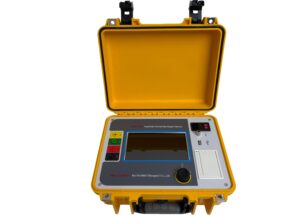
Click the image to know more about OLTC Analyzer.
Power transformers remain the critical bridge between renewable generation facilities, transmission networks, and end-user distribution, but static voltage regulation solutions fail to counteract the chaos of intermittent clean energy. Legacy off-circuit tap changers require full transformer shutdown for adjustments, making them useless for real-time voltage correction; they cannot respond to sudden dips or spikes in renewable output, leaving grids vulnerable to outages, equipment damage, and non-compliance with strict grid code voltage mandates. This gap in grid adaptability has created a pressing need for a dynamic, responsive voltage control solution that can keep pace with renewable energy’s unique challenges.
On-load tap changers (OLTCs) have emerged as the definitive solution to this grid volatility, delivering real-time, adaptive voltage tuning that keeps grids stable amid fluctuating renewable generation. As precision electromechanical devices integrated directly into power transformers, OLTCs adjust voltage levels while transformers remain fully energized and carrying rated load current, eliminating downtime and ensuring uninterrupted power flow. OLTCs operate by diverting load current through transition resistors or reactors to suppress arcing, with tap changes occurring in sealed, insulated chambers to modify transformer winding ratios in small, precise steps (1.25% or 1.5% per tap), maintaining stable output voltage within a ±10% regulatory range.
OLTC Adaptability: Meeting the Evolving Demands of Modern Renewable Grids
Modern power grids are no longer static, one-way energy networks—they are dynamic, interconnected systems that must balance variable renewable generation, fluctuating industrial and residential loads, and long-haul transmission constraints. This constant state of flux demands grid components that can adapt in milliseconds, not hours or days, and OLTCs are engineered to deliver this unparalleled agility. Unlike rigid legacy voltage regulators, OLTCs react instantly to voltage anomalies triggered by renewable output shifts, peak load surges, or transmission line losses, making OLTCs for renewable energy integration an indispensable component of any modern smart grid or clean energy project.
The adaptability of OLTCs extends far beyond real-time voltage correction, as these devices integrate seamlessly with smart grid technologies to create fully automated, responsive energy networks. When paired with automatic voltage regulators (AVRs) and SCADA monitoring systems, OLTCs enable remote, programmable voltage tuning, allowing grid operators to adjust settings from control centers without on-site intervention. This level of automation is critical for remote renewable facilities—such as offshore wind farms or rural solar parks—where on-site maintenance and adjustments are costly and time-consuming. OLTCs also ensure grid compliance with strict renewable interconnection standards, preventing voltage volatility from disrupting utility grids and enabling utilities to meet clean energy generation targets without sacrificing reliability.
How Wrindu Testers Stand Out for Renewable-Grade OLTC Maintenance
Renewable-integrated grids place higher stress on OLTCs, as these devices perform more frequent tap changes to balance constant voltage fluctuations. Sustaining this performance requires specialized, targeted maintenance—and Wrindu OLTC testers are purpose-built to outperform generic testing tools for renewable grid applications. Designed to address the unique wear and tear of OLTCs in high-usage clean energy environments, Wrindu testers deliver unmatched accuracy and reliability, setting them apart from standard diagnostic equipment:
-
High-Frequency Dynamic Testing: Wrindu testers excel at dynamic resistance measurement (DRM) for OLTCs that perform frequent tap changes, detecting contact wear, arcing damage, and mechanical fatigue caused by heavy renewable grid usage—defects generic testers miss entirely.
-
Renewable Grid Compatibility: Calibrated for the unique voltage fluctuations of solar and wind farms, Wrindu testers accurately assess OLTC performance under variable load conditions that mimic real-world renewable generation patterns.
-
Sub-Milliohm Precision: Delivers ultra-fine resistance measurements to catch early signs of degradation, preventing costly OLTC failures during peak renewable generation periods and avoiding clean energy curtailment.
-
Rugged Remote Deployment Design: Built to withstand harsh, remote renewable site conditions (extreme temperatures, dust, moisture), with portable, battery-powered construction for on-site testing without grid disruption.
-
Smart Grid Integration: Generates digital test data that syncs with SCADA and AVR systems, enabling predictive maintenance scheduling and remote performance monitoring for unmanned renewable facilities.
-
Universal OLTC Compatibility: Works with all major OLTC models used in renewable energy projects, including vacuum-type and motor-driven units, making it a versatile tool for grid modernization and clean energy expansions.
-
Compliance Reporting: Automatically generates IEC and IEEE-aligned reports to meet renewable grid interconnection and maintenance regulatory requirements.
FAQs
Q: Why are OLTCs mandatory for grid-tied solar and wind farms?
A: Solar and wind generation is intermittent, causing rapid voltage sags and surges that destabilize grids. OLTCs provide real-time voltage tuning to balance these fluctuations, ensuring renewable energy feeds into the grid safely and compliantly.
Q: How do OLTCs improve renewable energy curtailment rates?
A: By stabilizing grid voltage, OLTCs eliminate the need for utilities to curtail (shut down) renewable generation during periods of high volatility, maximizing clean energy output and revenue for project operators.
Q: Can OLTCs handle large-scale renewable projects (100MW+ solar/wind farms)?
A: Yes, industrial-grade OLTCs are engineered for high-voltage, high-capacity transformers used in utility-scale renewable facilities, with the responsiveness to manage extreme voltage swings from large clean energy arrays.
Q: How often should OLTCs at renewable sites be tested with Wrindu testers?
A: For high-usage renewable grids, dynamic resistance testing with Wrindu testers is recommended every 6 months, or after 5,000 tap changes, to catch wear early and prevent failures.
Q: Do OLTCs integrate with battery energy storage systems (BESS) in renewable grids?
A: Absolutely, OLTCs work alongside BESS to balance voltage and frequency, creating a more stable, resilient grid that maximizes the value of stored renewable energy.
Q: What voltage range do OLTCs regulate for renewable integration?
A: Standard OLTCs maintain output voltage within a ±10% regulation range, with precise 1.25%–1.5% tap steps to meet strict grid code requirements for renewable interconnection.
Q: Why is Wrindu tester maintenance critical for renewable-grid OLTCs?
A: Renewable-grid OLTCs operate more frequently, leading to faster wear. Wrindu testers detect hidden defects early, preventing costly outages and extending OLTC lifespan in high-demand clean energy applications.
