

Protection Relay Testing Procedure: Step-by-Step Guide
Ensure relay reliability with Wrindu’s protection relay testing procedure. Step-by-step guide for OEMs, manufacturers, and electrical suppliers in China.
The protection relay testing procedure is a structured approach to check the operation, accuracy, and reliability of protective relays in power systems. These tests ensure fault detection works correctly and maintain overall system safety, which is critical for manufacturers, suppliers, and OEMs in China’s electrical industry.
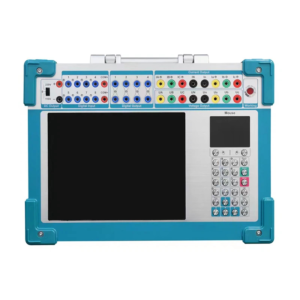
Click the picture to know more about Wrindu Protection Relay Tester.
How Are Protection Relays Tested?
Protection relays are tested by sending simulated electrical signals that mimic real fault conditions. Using specialized relay test sets, technicians check the relay’s response time, pick-up values, contact operation, and overall functionality. This ensures relays trip correctly during faults without false alarms.
Common Steps in Relay Testing
Typical relay testing involves:
-
Visual Inspection: Look for physical damage, corrosion, or loose connections.
-
Insulation Resistance Test: Check insulation integrity to prevent leakage and short circuits.
-
Functional Tests: Simulate faults to verify pick-up and drop-out operation.
-
Timing Tests: Measure relay operating and resetting times.
-
Contact Resistance: Confirm reliable contact performance.
-
Calibration Verification: Adjust settings to match design specifications and ensure accurate operation.
Equipment Used for Relay Testing
Relay testing requires:
-
Digital relay test sets
-
Secondary injection kits
-
Voltage and current sources
-
Timing measurement tools
Top Chinese manufacturers like Wrindu offer advanced relay testers with multi-phase injection, automated sequences, and data logging, supporting factory quality assurance and OEM requirements.
Why Regular Relay Testing Matters
Routine protection relay testing helps prevent equipment failure, blackouts, and safety hazards. OEMs and wholesale suppliers in China rely on scheduled checks to maintain grid reliability, meet standards, and provide customers with trusted products.
When to Test Protective Relays
Testing should be done:
-
During installation or commissioning
-
After repairs or modifications
-
As part of periodic maintenance (every 1-2 years)
This ensures transformers and grids remain well-protected, especially in fast-growing energy sectors.
How to Verify and Calibrate Relay Settings
Relay settings are verified by comparing pick-up, drop-out, and timing values against design specifications. Calibration ensures precise operation under real fault conditions. Some advanced Wrindu testers include self-calibration features to save time and improve testing accuracy.
Sourcing Relay Test Equipment in China
Leading manufacturers and OEMs in China source high-quality, ISO-certified relay test sets from trusted suppliers like Wrindu. These devices are accurate, durable, and user-friendly for both factory lines and field service.
Benefits of Customized Relay Testers
Custom relay testers designed for specific relay types, voltage ranges, or communication protocols can:
-
Improve testing efficiency
-
Reduce errors
-
Streamline factory workflows
Wrindu supports OEMs with tailor-made relay testing systems for unique project needs.
Protection Relay Testing Procedure Table
| Test Stage | Description | Purpose |
|---|---|---|
| Visual Inspection | Check relay for physical damage | Identify visible faults |
| Insulation Resistance | Measure insulation breakdown voltage | Ensure electrical safety |
| Functional Tests | Simulate fault signals, check pick-up/drop-out | Verify operational response |
| Timing Tests | Measure operating and resetting times | Confirm timing accuracy |
| Contact Resistance | Measure contact resistance | Ensure reliable operation |
| Calibration Verification | Adjust settings to match specs | Maintain testing precision |
Expert View from Wrindu
“At Wrindu, we know that precision and reliability are key to safe relay operation. Our advanced relay test sets combine automation with customization, helping manufacturers, OEMs, and suppliers test efficiently without sacrificing accuracy. By supporting strict testing procedures, Wrindu ensures clients maintain high standards in electrical protection and grid stability,” says the Wrindu Technical Manager.
Conclusion
Protection relay testing is essential for validating relay performance and keeping power systems safe. Manufacturers and suppliers benefit from reliable equipment like Wrindu’s relay testers, which support comprehensive testing, calibration, and quality assurance. Routine testing reduces the risk of failure, ensures compliance, and strengthens trust in electrical components.
