

PT Analyzer Testing Guide: How to Test Potential Transformers Step by Step
Learn how a PT analyzer tests potential transformers, including ratio, polarity, excitation, resistance, and accuracy tests for power system applications.
Why Is PT Testing Important in Power Systems?
Potential transformers (PTs), also called voltage transformers (VTs), are important components in electrical systems. They reduce high voltage into a lower voltage signal for meters, protection relays, and control equipment.
However, PT performance can change because of aging, installation problems, insulation issues, or operating conditions.
If a PT provides inaccurate voltage signals, connected equipment may not work correctly.
Therefore, engineers use a PT analyzer to check important transformer characteristics and confirm reliable operation.
PT testing is commonly used in:
- Power substations
- Switchgear systems
- Power utilities
- Transformer manufacturers
- Electrical maintenance projects
A suitable PT analyzer helps engineers improve testing efficiency and reduce measurement risks.
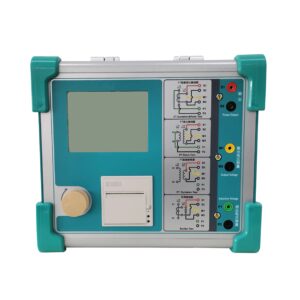
Click the image to know more about Wrindu CT and PT Analyzer.
What Is a PT Analyzer?
A PT analyzer is a testing instrument designed to evaluate the performance of potential transformers or voltage transformers.
It measures electrical characteristics and helps engineers confirm whether a PT meets technical requirements.
A modern PT analyzer can test:
- PT ratio
- PT polarity
- Excitation characteristics
- Secondary resistance
- Ratio error
- Phase displacement
Unlike traditional testing methods, a multifunction PT analyzer combines several tests in one device.
Therefore, engineers can complete PT testing with fewer instruments and simpler operation.
How Does a Potential Transformer Work?
A potential transformer works by reducing high system voltage into a lower voltage signal.
The basic structure includes:
- Primary winding
- Secondary winding
- Magnetic core
The primary side connects to the high-voltage system.
The secondary side connects to:
- Voltage meters
- Protection relays
- Monitoring systems
For example, a PT may transform a high voltage into a standard secondary voltage for measurement and protection.
If the transformation ratio changes, connected devices may receive incorrect voltage information.
Therefore, PT testing is necessary to confirm accurate voltage transformation.
What Tests Can a PT Analyzer Perform?
A professional PT analyzer can perform several important tests.
| PT Test Function | Main Purpose |
|---|---|
| PT ratio test | Checks voltage transformation accuracy |
| PT polarity test | Confirms terminal relationship |
| PT excitation test | Evaluates core performance |
| Secondary resistance test | Measures winding resistance |
| Ratio error test | Checks measurement accuracy |
| Phase displacement test | Evaluates phase difference |
Each test focuses on a different part of PT performance.
Therefore, engineers usually combine multiple tests to evaluate the complete condition of a potential transformer.
How Does PT Ratio Testing Work?
What Is PT Ratio Testing?
PT ratio testing checks whether the actual voltage transformation matches the rated ratio.
For example, if a PT has a specified ratio, the analyzer verifies whether the secondary voltage matches the expected value.
During testing, the PT analyzer applies a test signal and measures the output response.
Then, the system compares the measured ratio with the rated value.
Why Is PT Ratio Testing Important?
Correct PT ratio ensures that connected equipment receives accurate voltage signals.
An incorrect ratio may cause:
- Incorrect voltage measurement
- Protection relay errors
- Control system problems
- Energy measurement mistakes
Therefore, engineers perform PT ratio testing during:
- Factory inspection
- Installation
- Commissioning
- Maintenance
What Causes PT Ratio Errors?
Common causes include:
Incorrect Connection
Wrong wiring may affect measurement results.
Transformer Aging
Long-term operation may change transformer characteristics.
Internal Winding Problems
Damage inside the transformer may influence voltage transformation.
How Does PT Polarity Testing Work?
What Is PT Polarity?
PT polarity describes the voltage direction relationship between primary and secondary terminals.
Correct polarity ensures that voltage signals reach connected equipment in the correct phase relationship.
Why Is PT Polarity Testing Necessary?
Incorrect polarity may affect:
- Protection system operation
- Measurement accuracy
- Synchronization functions
Therefore, polarity testing is an important step before a PT enters service.
How Does a PT Analyzer Check Polarity?
The analyzer applies a test signal and measures the relationship between PT terminals.
The result helps engineers confirm whether the connection is correct.
How Does PT Excitation Testing Evaluate Transformer Performance?
What Is PT Excitation Testing?
PT excitation testing evaluates the magnetic characteristics of the transformer core.
During the test:
- The analyzer applies voltage to the winding.
- The system measures excitation current.
- The analyzer creates test results.
These results show how the PT core responds under different conditions.
Why Is PT Excitation Testing Important?
Excitation testing can help engineers identify:
- Core performance problems
- Abnormal magnetic characteristics
- Possible internal issues
Therefore, excitation testing provides useful information for transformer condition evaluation.
Why Should Engineers Measure PT Secondary Resistance?
What Is PT Secondary Resistance Testing?
This test measures the resistance of the PT secondary winding.
The result helps engineers evaluate the condition of the secondary circuit.
Why Does Secondary Resistance Matter?
A higher resistance value may indicate:
- Winding problems
- Connection issues
- Cable problems
Therefore, resistance testing helps engineers identify possible abnormalities before they affect system operation.
The Wrindu RDHG-E Variable Frequency Transformer Comprehensive Tester supports resistance measurement from:
0–300 Ω
How Are PT Ratio Error and Phase Displacement Tested?
What Is PT Ratio Error?
PT ratio error describes the difference between the actual voltage transformation ratio and the rated ratio.
A lower ratio error means better measurement accuracy.
What Is PT Phase Displacement?
Phase displacement describes the angle difference between primary and secondary voltage.
This parameter is important for accurate measurement and protection applications.
Why Are These Tests Important?
Ratio error and phase displacement tests help engineers evaluate whether the PT meets accuracy requirements.
The Wrindu RDHG-E supports:
- PT ratio range: 1–10000
- PT ratio accuracy: ±0.2%
- Phase measurement accuracy: ±3 minutes
How Does a Modern PT Analyzer Complete Testing?
What Happens During PT Testing?
A modern PT analyzer simplifies the testing process.
The general process includes:
Step 1: Select the PT Test Function
Engineers choose the required test:
- Ratio test
- Polarity test
- Excitation test
- Resistance test
- Accuracy test
Step 2: Enter Transformer Parameters
The operator enters PT information.
This may include:
- Rated ratio
- Transformer type
- Test requirements
Step 3: Apply the Test Signal
The analyzer generates the required test signal.
Step 4: Measure Electrical Data
The system collects:
- Voltage data
- Current data
- Resistance values
- Phase information
Step 5: Calculate and Store Results
The analyzer automatically processes results and creates reports.
For example, the Wrindu RDHG-E supports:
- 1000 groups of test data storage
- USB data transfer
- Automatic report generation
- Built-in printer
CT Analyzer vs PT Analyzer: What Is the Difference?
What Is the Main Difference?
The main difference is the transformer type they test.
A CT analyzer focuses on current transformers.
A PT analyzer focuses on potential transformers.
| Item | CT Analyzer | PT Analyzer |
|---|---|---|
| Transformer type | Current transformer | Voltage transformer |
| Main signal | Current | Voltage |
| Common tests | Ratio, polarity, excitation, knee point | Ratio, polarity, excitation |
| Main application | Current measurement and protection | Voltage measurement and protection |
However, some multifunction analyzers can test both CTs and PTs.
How to Choose a PT Analyzer?
Does the Analyzer Support Required Tests?
Before selecting a PT analyzer, engineers should check whether it supports:
- Ratio testing
- Polarity testing
- Excitation testing
- Resistance measurement
- Accuracy testing
Different projects may require different functions.
Does the Measurement Range Match the PT?
Engineers should check:
- Ratio range
- Voltage range
- Resistance range
- Accuracy level
For example, the Wrindu RDHG-E supports:
| Parameter | Specification |
|---|---|
| PT Ratio Range | 1–10000 |
| PT Ratio Accuracy | ±0.2% |
| Resistance Range | 0–300 Ω |
| Phase Accuracy | ±3 minutes |
Is Automatic Testing Useful?
Automatic testing improves efficiency because it reduces:
- Manual calculation
- Testing time
- Human errors
Therefore, automatic functions are valuable for utilities and testing companies.
Common PT Testing Problems and Solutions
Incorrect Voltage Ratio
Possible causes:
- Wrong transformer data
- Wiring problems
- Internal faults
Solution:
Perform PT ratio testing with a professional analyzer.
Wrong Polarity
Possible causes:
- Incorrect terminal connection
Solution:
Use polarity testing to verify the connection.
Abnormal Excitation Results
Possible causes:
- Core problems
- Aging effects
Solution:
Perform excitation testing and compare results with specifications.
FAQs
What parameters should engineers check before selecting a PT analyzer?
Engineers should check the measurement range, test functions, accuracy, data storage, and operating environment.
The analyzer should match the PT type, voltage level, and testing requirements of the project.
How can a PT analyzer help find potential transformer problems?
A PT analyzer can help identify abnormal conditions by comparing test results with transformer specifications.
For example, unusual results may indicate:
- Incorrect transformer ratio
- Wiring problems
- Abnormal excitation behavior
- Secondary circuit issues
What information is needed before performing a PT test?
Before testing, engineers usually need transformer information such as:
- Rated voltage ratio
- Transformer type
- Accuracy class
- Connection method
- Required test items
This information helps ensure correct test settings.
Can one PT analyzer test different types of voltage transformers?
It depends on the analyzer design and test range.
Before purchase, engineers should check whether the equipment supports the required PT structures, voltage levels, and testing standards.
How does automatic PT testing improve field work efficiency?
Automatic testing reduces manual operation steps.
A modern PT analyzer can automatically control the test process, calculate results, and save data.
Therefore, engineers can complete testing faster and reduce manual recording work.
What factors affect PT test results?
Several factors can influence PT test results, including:
- Test connection quality
- Transformer condition
- Environmental conditions
- Incorrect parameter settings
- Instrument accuracy
Therefore, engineers should follow correct testing procedures.
Why is test data management important for PT maintenance?
Stored test data allows engineers to compare transformer performance over time.
Historical records can help identify performance changes and support maintenance decisions.
What accuracy should a PT analyzer provide?
The required accuracy depends on the application.
For measurement and protection transformers, engineers should check:
- Voltage measurement accuracy
- Ratio accuracy
- Phase measurement accuracy
- Resistance measurement accuracy
Can a PT analyzer reduce the need for multiple testing instruments?
Yes. A multifunction PT analyzer can combine several common PT tests into one device.
This can reduce equipment preparation and simplify field testing.
What are common mistakes when choosing a PT analyzer?
Common selection mistakes include:
- Choosing equipment only by maximum voltage
- Ignoring required test functions
- Not checking measurement range
- Overlooking data management features
Engineers should select equipment based on the complete testing requirement.
