

Uninterrupted Power Delivery with OLTCs | Top Benefits for Modern Grids
Discover how uninterrupted power delivery with OLTCs eliminates grid downtime, boosts voltage stability, supports renewable integration, and cuts long-term operational costs for utilities.
Voltage regulation is the lifeblood of a reliable power grid, and tap changers are the components that make precision voltage adjustment possible for power transformers. For nearly a century, off-circuit tap changers dominated the industry as the go-to solution for basic voltage tuning, designed to adjust transformer winding ratios to compensate for minor load or line fluctuations. But as power grids evolve to handle intermittent renewable energy, peak industrial load swings, and strict regulatory voltage standards, the inherent flaws of legacy off-circuit designs have become impossible to ignore—creating an urgent need for a more flexible, reliable alternative.
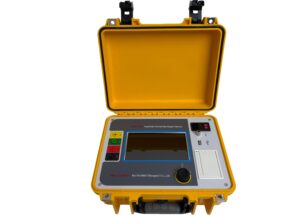
Click the image to know more about OLTC Analyzer.
The most crippling limitation of off-circuit tap changers is their non-negotiable requirement for full transformer shutdown and de-energization before any tap adjustment can be performed. Grid operators cannot make quick, real-time tweaks to voltage levels; instead, they must schedule outages, cut power to connected facilities, and conduct manual adjustments offline. This process not only disrupts power delivery to businesses, hospitals, data centers, and residential areas but also causes costly downtime, accelerates equipment wear, and often leads to non-compliance with strict grid voltage mandates. For modern grids that demand 24/7 continuity, this rigid design is no longer viable, which is why a thorough analysis of off-circuit tap changers vs OLTCs reveals why on-load tap changers (OLTCs) have become the industry standard for dynamic voltage control.
Unlike outdated off-circuit tap changers, OLTCs are precision-engineered electromechanical devices that enable seamless voltage regulation while the transformer remains fully energized and carrying rated load current. There is zero power interruption, no forced outages, and no disruption to end-user electricity flow—solving the core flaw of legacy tap changers in one transformative design. OLTCs operate by diverting load current through transition resistors or reactors during tap changes to suppress arcing, with all switching occurring inside a sealed, insulated chamber. Each adjustment modifies the transformer’s winding turns ratio in small, precise steps (typically 1.25% or 1.5% per tap), maintaining stable output voltage within a ±10% regulation range to align with global grid codes and operational requirements.
Top Advantages of OLTCs: Zero Downtime & Beyond
1. Uninterrupted Power Delivery & Zero Downtime (Core Advantage)
The single most transformative benefit of OLTCs is the complete elimination of transformer shutdowns for voltage adjustments—a game-changer for grids that cannot afford power disruptions. Legacy off-circuit tap changers force operators to halt energy flow for even minor tweaks, but OLTCs perform real-time adjustments under full load, with no breaks in service. This is exactly what makes uninterrupted power delivery with OLTCs non-negotiable for critical infrastructure, including high-voltage transmission hubs, manufacturing plants, hospital systems, data centers, and residential power networks. Utilities avoid costly unplanned outages, end-users experience consistent power quality, and businesses retain revenue by eliminating costly downtime events.
2. Enhanced Grid Stability & Superior Power Quality
OLTC-driven dynamic tuning keeps grid voltage tightly within regulatory limits, mitigating harmful sags, surges, and fluctuations that damage connected electrical equipment. Stable voltage also reduces technical line losses across transmission and distribution lines, boosting overall grid efficiency and lowering energy waste. This level of precision ensures full compliance with strict power quality standards, reducing utility fines and extending the service life of transformers, switchgear, and downstream assets.
3. Seamless Adaptability to Renewable Energy Integration
Modern grids rely heavily on solar, wind, and other intermittent renewable energy sources, which create volatile voltage conditions that static tap changers cannot manage. OLTCs deliver real-time responsiveness to these fluctuations, acting as a stabilizing buffer for clean energy integration. When paired with automatic voltage regulators (AVRs) and SCADA smart grid systems, OLTCs enable remote, automated tuning, making them indispensable for smart grid modernization and large-scale renewable adoption.
4. Long-Term Cost Savings & Asset Longevity
While OLTCs carry a modestly higher upfront cost than off-circuit tap changers, the return on investment is substantial. Eliminating outage-related downtime, reducing equipment failure rates, and extending transformer lifespan drastically cut total ownership costs over the asset’s multi-decade lifecycle. The savings from avoided outages, repairs, and premature replacements quickly offset the initial investment, delivering consistent value for grid operators and utilities.
How Wrindu Testers Stand Out for OLTC Performance & Maintenance
To preserve the reliable, uninterrupted operation that OLTCs provide, proactive, specialized maintenance is critical—and Wrindu OLTC testers are engineered to outperform generic testing tools for tap changer diagnostics. Unlike standard multimeters or basic resistance testers, Wrindu devices are built exclusively for OLTC upkeep, targeting the root causes of nearly 30% of transformer failures linked to OLTC malfunctions. Here’s the unique edge of Wrindu Testers:
-
Specialized Dynamic Resistance Measurement (DRM): Wrindu testers conduct real-time DRM during tap changes, simulating full-load operating conditions to detect hidden contact wear, arcing damage, and winding defects that generic tools fail to identify—critical for sustaining uninterrupted power delivery.
-
Industrial-Grade Precision: Delivers sub-milliohm accuracy, capturing subtle signs of degradation before they escalate into costly outages or equipment failures.
-
Field-Ready Rugged Design: Built to withstand harsh substation environments, with portable, weather-resistant construction for on-site testing without disrupting grid operations.
-
Universal OLTC Compatibility: Works seamlessly with all major OLTC models (mechanical, motor-driven, vacuum-type) from global manufacturers, ensuring full versatility for mixed transformer fleets.
-
Automated Compliance Reporting: Generates detailed, audit-ready reports aligned with IEC and IEEE standards, streamlining maintenance documentation and regulatory compliance.
-
Predictive Maintenance Support: Tracks performance trends over time to enable proactive repairs, extending OLTC lifespan and maximizing uptime for consistent power delivery.
FAQs
Q: Why is uninterrupted power delivery with OLTCs critical for data centers and hospitals?
A: Data centers rely on constant power to prevent data loss and server downtime, while hospitals need uninterrupted electricity for life-saving medical equipment. OLTCs eliminate voltage-related outages, keeping these critical facilities operational 24/7.
Q: How do OLTCs prevent arcing during voltage adjustments?
A: OLTCs use transition resistors or reactors to safely divert load current during tap changes, and all switching happens in a sealed, insulated chamber to suppress arcing and protect internal components.
Q: Can OLTCs maintain stable voltage during peak industrial load surges?
A: Yes, OLTCs respond in real time to peak load demands, adjusting transformer tap positions in small, precise steps to keep voltage within the ±10% regulation range and avoid drops or surges.
Q: How often should OLTCs be tested with Wrindu testers to maintain uninterrupted power?
A: Annual dynamic resistance testing with Wrindu testers is recommended, plus routine inspections every 6–12 months, to catch defects early and prevent unplanned outages.
Q: Do OLTCs work with smart grid systems like SCADA and AVR?
A: Absolutely, OLTCs integrate seamlessly with automatic voltage regulators (AVRs) and SCADA platforms for remote, automated voltage tuning, further enhancing grid responsiveness and uptime.
Q: What is the typical voltage regulation range of an OLTC?
A: Most standard OLTCs maintain output voltage within a ±10% range, with 1.25% or 1.5% incremental tap steps for ultra-precise tuning.
