

What Are Best Practices for Analyzing DC Test Results?
Learn best practices for DC test analysis with real leakage current examples to detect insulation defects and support transformer preventive maintenance.
Analyzing DC test results is a crucial step in transformer preventive maintenance. Proper interpretation helps engineers identify insulation defects, prevent unexpected failures, and extend transformer life. This article explains how to read leakage current trends, locate local defects, and implement preventive measures effectively.
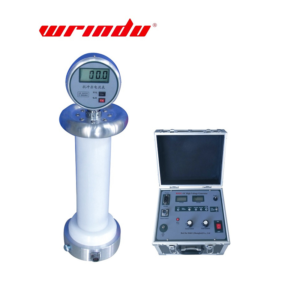
Click the picture to know more about Wrindu DC Tester.
How Should Engineers Interpret Leakage Current Trends?
Leakage current trends provide key insights into insulation health:
-
Rising current over time may indicate moisture, aging insulation, or contamination.
-
Sudden spikes can point to local weaknesses or partial discharges.
-
Stable low readings usually indicate healthy insulation.
Monitoring trends instead of single readings allows for more accurate assessment and early detection of potential problems.
How Should Engineers Interpret Leakage Current Trends?
Leakage current trends reflect the insulation condition over time. For example:
-
Example 1: Phase A leakage current steadily rises from 0.5 µA to 2.3 µA over a week. This indicates moisture absorption or initial insulation aging.
-
Example 2: Phase B shows stable readings at 0.4–0.5 µA, suggesting healthy insulation.
-
Example 3: Phase C shows a sudden spike to 3.8 µA during voltage ramp-up. This points to a localized weak spot or partial discharge.
By comparing trends across phases and repeated tests, engineers can distinguish between temporary effects and genuine insulation deterioration.
How Can Local Insulation Defects Be Identified?
Local defects often appear as uneven leakage current across phases or winding sections:
-
Compare readings from different transformer phases or terminals.
-
Use localized DC testing to pinpoint weak spots.
-
Look for abnormalities such as disproportionate current increases in a single phase.
Identifying defects early supports targeted maintenance, reducing repair costs and downtime.
What Are the Best Practices for Reporting and Preventive Measures?
After analyzing DC test results, proper reporting and preventive action are essential:
-
Document all measurements, trends, and anomalies clearly.
-
Flag areas showing early signs of insulation deterioration.
-
Plan preventive maintenance such as drying, partial discharge treatment, or insulation replacement.
-
Compare results with historical data to track insulation aging over time.
A systematic reporting approach ensures that transformer preventive maintenance is effective and based on real condition data.
Wrindu Expert Review
Effective DC test analysis is vital for detecting insulation defects and supporting transformer preventive maintenance. By interpreting leakage current trends, locating local defects, and following systematic reporting and preventive measures, engineers can enhance transformer reliability and extend service life.
