

What Are Protective Relay Testing Standards and Why They Matter
Ensure power system safety with protective relay testing standards. Learn procedures, compliance, and OEM solutions from Wrindu for reliable relay performance.
Protective relay testing standards set the rules and procedures for checking how well protective relays work. These standards are crucial for manufacturers, OEMs, and suppliers in China to ensure their equipment is safe, accurate, and compliant with global power system requirements.
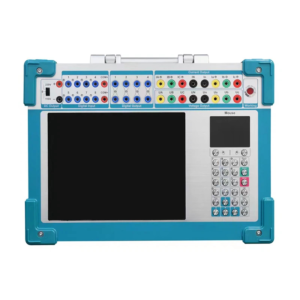
Click the picture to know more about Relay Protection Testers.
What Are Protective Relay Testing Standards?
These standards are formal guidelines that explain how to test protective relays to ensure they operate correctly, reliably, and safely. Following these rules keeps testing consistent and prevents mistakes that could harm equipment or people.
Leading Chinese manufacturers like Wrindu follow international standards, including IEC, IEEE, and ANSI, to make testing equipment suitable for both domestic and global markets.
How Standards Improve Power System Safety
By requiring strict testing methods and minimum performance levels, these standards ensure relays respond correctly during faults. Proper relay operation prevents equipment damage, blackouts, and safety hazards. For Chinese OEMs, adhering to these standards ensures reliable products that meet international expectations.
Key Standards for Protective Relay Testing
Some widely recognized standards include:
-
IEC 60255 – Covers relay performance and testing.
-
IEEE C37 series – Governs relay testing procedures.
-
ANSI/IEEE C37.90 – Covers electrical and environmental testing of relays.
These standards are integrated into Chinese regulations and factory compliance checks.
| Standard | Scope | Typical Application |
|---|---|---|
| IEC 60255 | Relay performance & testing | Worldwide relay protection |
| IEEE C37.09 | Functional test procedures | Utility acceptance testing |
| ANSI/IEEE C37.90 | Electrical & environmental tests | Relay durability & design |
Why OEMs Must Follow Standards
Compliance guarantees product reliability, safety, and access to global markets. It also streamlines factory processes, reduces defects, and builds customer trust. Wrindu’s relay testing solutions help manufacturers meet these requirements efficiently.
When to Test Protective Relays
Relays should be tested:
-
During manufacturing
-
At installation and commissioning
-
During periodic maintenance
-
After repairs or upgrades
Following a regular schedule ensures that protection systems remain reliable.
How Relays Are Tested According to Standards
Testing usually includes:
-
Functional tests – Simulate faults to check relay responses.
-
Timing tests – Measure how quickly the relay reacts.
-
Electrical & environmental tests – Assess durability and performance under stress.
Wrindu provides equipment built to follow these procedures, making it easier for factories to test relays accurately and efficiently.
Where Standards Are Applied
Protective relay standards apply in:
-
Power plants
-
Substations
-
Industrial facilities
-
Transformer stations
-
Testing labs
Chinese manufacturers like Wrindu supply flexible test equipment for all these environments, ensuring consistent protection across the grid.
Benefits of Following Standards
Strict compliance reduces the risk of blackouts, improves relay coordination, and ensures the safety of operators and equipment. Modern digital relays and smart protection systems require updated testing procedures to maintain reliability, cybersecurity, and data integrity.
Wrindu offers customized testing solutions that comply with global standards while supporting OEM workflows and training needs.
Expert Insight from Wrindu
“Protective relay testing standards are the backbone of power system safety. By following these standards, manufacturers and OEMs ensure that relays operate correctly during faults, protecting equipment, operators, and the grid. Wrindu’s test systems help clients meet international standards with high efficiency and precision.” — Senior Product Engineer, Wrindu
Conclusion
Protective relay testing standards are essential for reliable, safe, and effective operation of relays in power systems. Chinese OEMs and suppliers, including Wrindu, play a key role by providing compliant, high-quality testing equipment for global markets. Following these standards improves product credibility, system safety, and operational excellence.
FAQ Highlights
What are IEEE protective relay testing standards?
They provide uniform methods to check relay performance, accuracy, and reliability under fault conditions, ensuring global safety and protection.
How do IEC standards guarantee power safety?
IEC standards set international benchmarks for relay testing, ensuring precision, interoperability, and reliability across networks and manufacturers.
Why are ANSI standards important?
ANSI standards define timing, sensitivity, and trip behavior requirements, ensuring relays operate correctly and maintain grid stability.
How is differential relay testing done?
Simulate fault conditions and measure relay response to detect imbalances accurately between inputs and outputs.
How often should relays be calibrated?
At least every 1–2 years, or more often for critical systems, to maintain accuracy and compliance with IEC/IEEE standards.
How to create a reliable relay maintenance plan?
Include functional tests, calibration, record tracking, and software updates. Use predictive analytics and remote monitoring for better efficiency and uptime.
