

What are the Differences Between Single-Phase, Three-Phase, and Six-Phase Relay Protection Testers
Compare single-phase, three-phase, and six-phase relay protection testers. Learn how to choose the right tester based on application, accuracy, cost, and system needs.
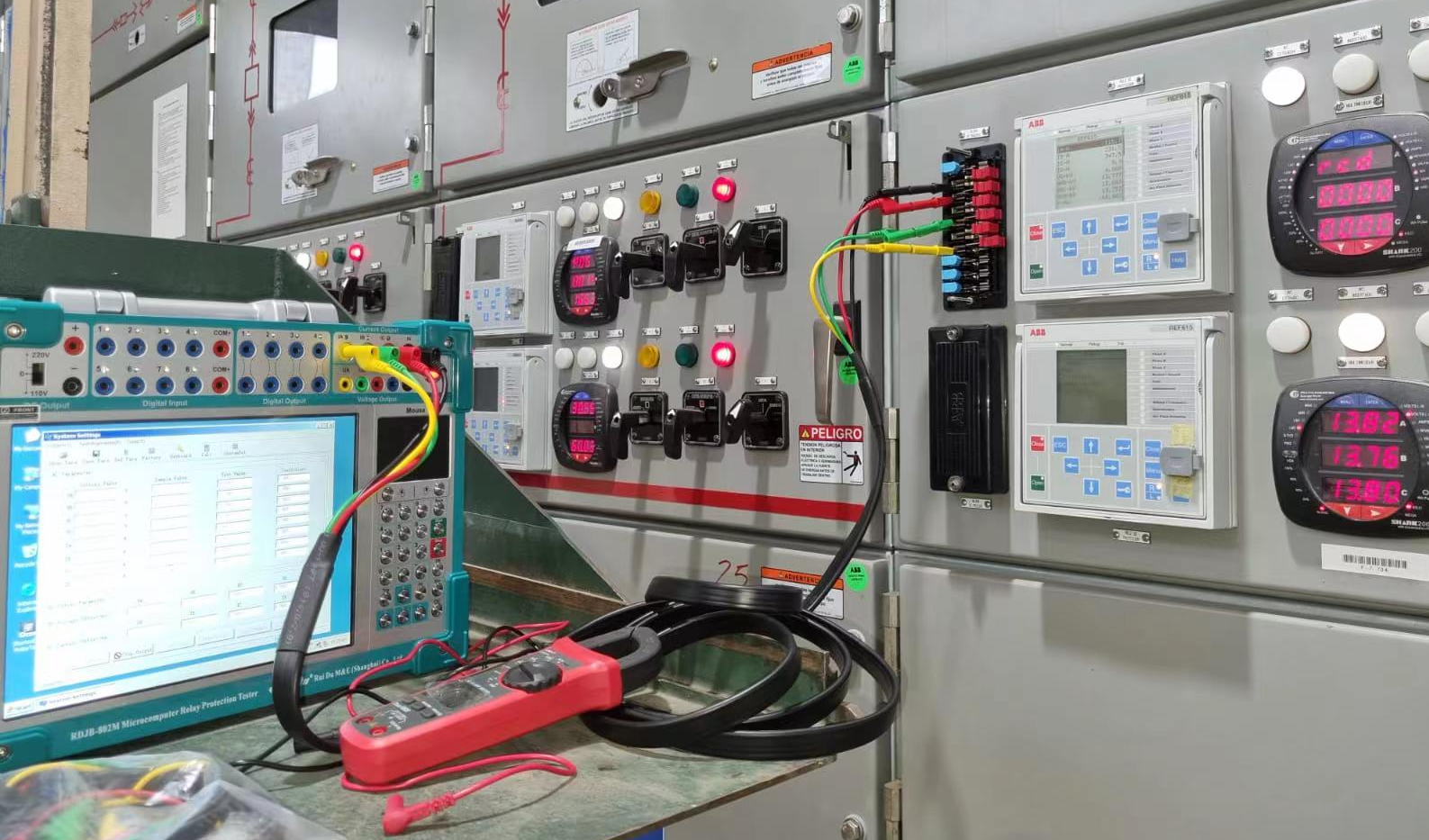
Relay protection testers are essential tools used to verify the performance and reliability of relay protection devices in power systems. These testers simulate different electrical conditions to ensure that protection devices will react appropriately during faults or failures. The primary differences between single-phase, three-phase, and six-phase relay protection testers lie in their output phases, application scope, accuracy, and specific use cases. This article provides a detailed analysis to help professionals select the appropriate tester based on their needs.
What Are the Key Differences in Output Phases?
| Category | Single-Phase Relay Protection Tester | Three-Phase Relay Protection Tester | Six-Phase Relay Protection Tester |
|---|---|---|---|
| Output Phases | 1 phase | 3 phases | 6 phases |
| Application Scope | Small power systems, single-phase equipment | Most industrial/commercial 3-phase systems | Special 6-phase power systems (e.g., HVDC) |
| Common Applications | Small transformers, motors, single-phase lines | Transmission lines, substations, motors | HVDC transmission, complex power systems |
| Test Accuracy | Lower accuracy (typically 0.5% to 1%) | Moderate accuracy (0.2% to 1%) | High accuracy (0.05% to 0.2%) |
| Power Systems | Single-phase power systems | Three-phase power systems | Six-phase power systems |
| Use Case | Testing basic protection relays in small systems | General protection tests for 3-phase systems | Testing high-precision, multi-phase systems |
| Cost | Lowest cost | Moderate cost | Highest cost |
| Typical Scenarios | Small power stations, single-phase motor protection | Industrial and commercial power systems | High-voltage DC systems, complex networks |
| Testing Capability | Limited to simple protection devices | Versatile for most 3-phase protection | Advanced testing for multi-phase systems |
How to Choose the Right Tester?
| Criteria | Single-Phase Tester | Three-Phase Tester | Six-Phase Tester |
|---|---|---|---|
| Best Use Case | Small power systems or single-phase equipment | Most industrial, commercial, and utility applications | Specialized high-voltage systems or complex multi-phase networks |
| Ideal For | Basic protection relays in low-power systems | Routine testing in three-phase systems | High-precision testing in HVDC or complex systems |
| System Type | Single-phase power systems | Three-phase power systems | Six-phase power systems (e.g., HVDC) |
| Primary Focus | Small transformers, motors, single-phase lines | Transmission lines, substations, industrial motors | Complex power systems with high precision and multi-phase requirements |
| Cost Consideration | Lowest cost | Moderate cost | Highest cost |
| Test Precision | Basic testing with lower precision | Moderate testing with good accuracy | High precision testing with very low error margin |
| When to Choose | For small or simple systems and low-power protection tests | For most industrial and commercial power systems | For high-precision, specialized, or large-scale systems requiring six-phase testing |
Click to find information about 3 phase relay protection tester and 6 phase relay protection tester.
