

What Are the Different Types of Relay Testing?
Learn the main types of relay testing, including primary and secondary injection, insulation checks, and TCC testing to ensure reliable power system protection.
Relay testing plays a vital role in keeping protection systems dependable and safe. Whether in substations, industrial plants, or OEM manufacturing lines, proper testing confirms that protective relays respond correctly to faults. By combining inspection, electrical measurement, and simulated fault testing, engineers can verify that transformers, circuit breakers, and distribution networks remain protected under real operating conditions.
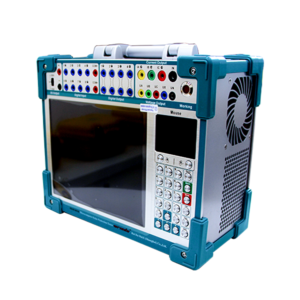
Click the picture to know more Protection Relay Current Tester.
What Are the Most Common Types of Relay Testing?
1. Visual and Mechanical Inspection
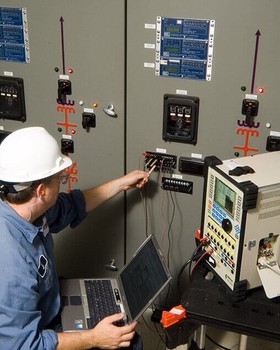
Visual inspection is the first and most basic step in relay testing. Technicians check for:
-
Loose wiring
-
Burn marks or overheating
-
Damaged terminals
-
Dust or moisture inside panels
Mechanical checks also confirm that moving parts operate smoothly in electromechanical relays. Early detection of physical issues prevents unexpected failures later.
2. Insulation Resistance Testing
Insulation resistance testing verifies the dielectric strength of relay circuits. Using a megohmmeter, engineers measure resistance between conductors and ground.
This test helps:
-
Detect moisture ingress
-
Identify insulation aging
-
Prevent short circuits
It is commonly performed during routine maintenance and after installation.
3. Functional Testing
Functional testing simulates fault conditions to confirm that relay logic operates as designed. It checks:
-
Pickup values
-
Trip signals
-
Alarm outputs
-
Logic coordination
This method ensures that relay settings match protection schemes.
4. Secondary Injection Testing
Secondary injection testing applies controlled voltage or current directly to the relay’s secondary terminals. It does not energize the primary system.
Key advantages:
-
Safe testing environment
-
High accuracy
-
Ideal for factory and field use
-
Suitable for digital and microprocessor relays
This is one of the most widely used methods during commissioning and maintenance.
5. Primary Injection Testing

Primary injection testing introduces actual high current into the primary circuit. It tests the entire protection chain, including:
-
Current transformers (CTs)
-
Wiring
-
Relay
-
Circuit breaker trip mechanism
Because it simulates real operating conditions, it is essential during commissioning and after major system upgrades.
6. Contact Resistance Testing
Contact resistance testing measures the resistance across relay contacts. High resistance may indicate:
-
Worn contacts
-
Oxidation
-
Poor mechanical alignment
This test is particularly important for electromechanical relays and during manufacturing quality checks.
7. Time-Current Characteristic (TCC) Testing
TCC testing confirms that the relay trips within its specified time curve. Engineers compare measured trip times with manufacturer curves to ensure:
-
Proper coordination
-
Compliance with protection settings
-
Reliable fault clearing
This test is crucial for overcurrent and inverse-time relays.
Factory vs. Field Relay Testing
For OEM manufacturers like Wrindu, factory bench testing typically includes:
-
Visual inspection
-
Insulation resistance measurement
-
Secondary injection testing
-
Primary injection (for selected models)
In the field, utilities often combine:
-
Routine inspection
-
Secondary injection
-
Periodic primary injection
This layered approach ensures consistent performance from shipment to long-term service.
Integrating Relay Testing into Maintenance Programs
A well-structured maintenance plan includes:
-
Annual visual and insulation checks
-
Secondary injection during scheduled outages
-
Primary injection after major modifications
-
TCC verification for coordination studies
These steps reduce downtime and extend relay service life.
Who Needs Relay Testing Equipment?
Relay testing systems are widely used by:
-
Power utilities
-
Industrial facilities
-
OEM manufacturers
-
Engineering contractors
-
Independent testing labs
Modern equipment supports electromechanical, solid-state, and microprocessor-based relays, offering flexible testing solutions for various industries.
Wrindu Expert Review
Relay testing is essential for ensuring protection reliability, system safety, and regulatory compliance. By combining inspection, insulation measurement, secondary injection, and primary injection testing, engineers can verify relay accuracy throughout the power system lifecycle. From factory production to field commissioning and routine maintenance, comprehensive testing safeguards electrical networks and prevents costly failures.
