

What Are the Key Factors Affecting No Load Loss in Transformers?
Explore key factors affecting no load loss in transformers, including core material, flux density, and frequency, with precise measurement solutions from Wrindu.
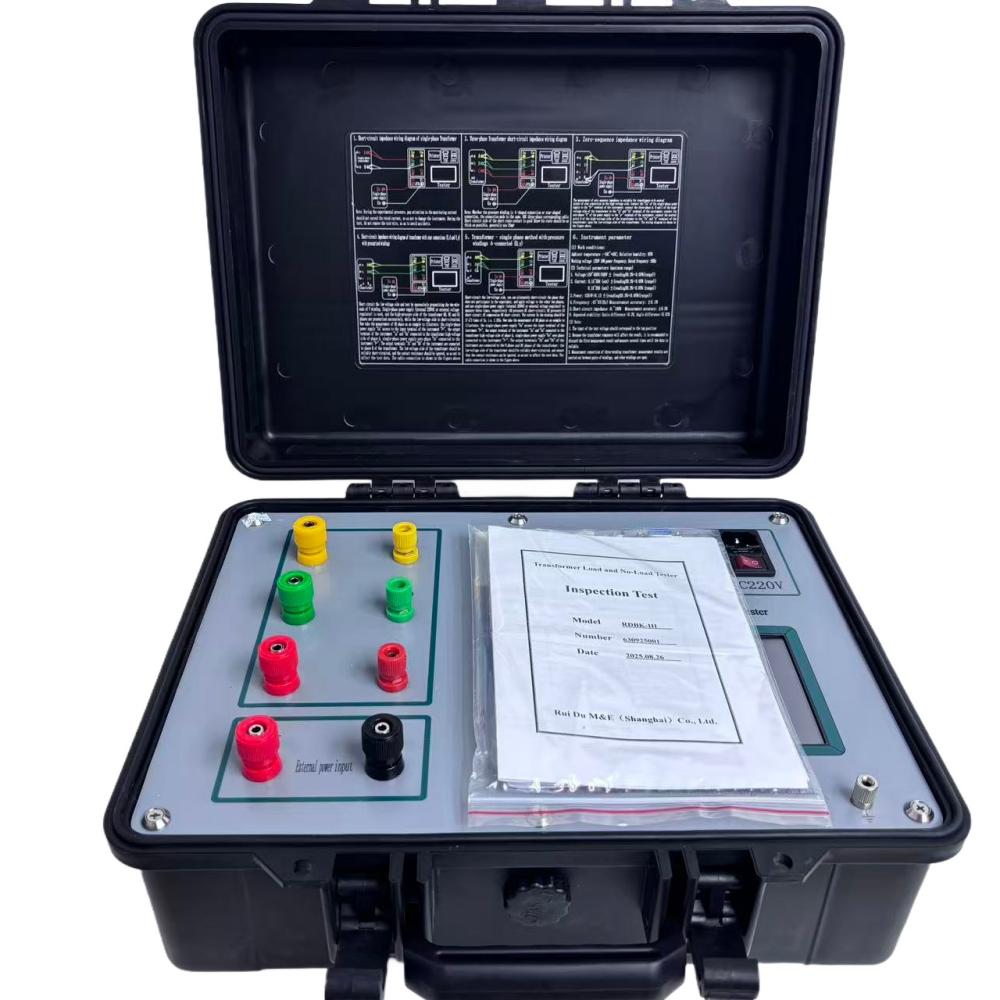
The no load loss in transformers represents the energy lost in the core when the transformer operates without load. Understanding the factors affecting no load loss helps engineers improve efficiency, reduce operating costs, and select suitable transformers for various applications. Key elements that influence no load loss include core material, flux density, and frequency.
How Does Core Material Influence No Load Loss?
The transformer core is the primary source of no load loss. High-quality silicon steel laminations or amorphous metal cores reduce hysteresis and eddy current losses. Poor core material or thick laminations increase losses and heat generation. Wrindu no load loss testers allow engineers to measure transformer performance accurately, helping identify inefficiencies caused by the core material during manufacturing or maintenance.
Why Is Flux Density Important?
Flux density refers to the magnetic intensity within the transformer core. Operating at higher flux densities increases hysteresis and eddy current losses, resulting in higher no load loss. Maintaining an optimal flux density prevents excessive heating and ensures reliable operation. Engineers often use Wrindu measurement tools to monitor flux density and correlate it with no load loss data, ensuring transformers meet efficiency standards.
How Does Frequency Affect No Load Loss?
The operating frequency of the transformer directly impacts core losses. Higher frequencies increase eddy current losses, which raise the total no load loss. Most transformers are designed for specific standard frequencies (50 Hz or 60 Hz). Using them at higher or fluctuating frequencies can lead to unexpected losses. Wrindu testers help engineers simulate operational conditions and evaluate frequency effects on transformer efficiency.
Common Questions from Testing Engineers
Why do some transformers show higher no load loss than expected?
High losses often result from poor core quality, incorrect flux density, or frequency variations. Measurement errors can also occur if the test setup is unstable.
Can we compare no load loss across different transformers?
Yes, but you must normalize data for voltage, temperature, and frequency. Wrindu no load loss testers automatically adjust measurements, ensuring fair comparisons between different transformers.
Why Monitor Factors Affecting No Load Loss?
Monitoring these factors helps manufacturers and utilities:
-
Improve transformer design and efficiency
-
Reduce energy waste and operational costs
-
Identify issues in existing transformers before deployment
Professional instruments like Wrindu no load loss testers integrate voltage application, power measurement, and data logging, allowing precise analysis of core material, flux density, and frequency effects.
