

What Are the Most Common Customer Questions About Transformer No Load Loss?
Common transformer no load loss questions answered clearly. Learn testing methods, accuracy concerns, and how Wrindu helps measure no load loss reliably.
Transformer no load loss often confuses customers during selection, testing, and operation. This article answers the most common questions in a practical way. It helps engineers, utilities, and buyers understand how no load loss affects efficiency, cost, and testing decisions. This transformer no load loss FAQ also reflects real questions from users of Wrindu test equipment.
What Does No Load Loss Mean in a Transformer?
No load loss is the power a transformer consumes when it is energized at rated voltage without any load connected. It mainly comes from the magnetic core, not from the windings. This loss exists as long as the transformer stays energized, even if it supplies no power. For this reason, no load loss has a direct impact on lifetime energy consumption.
Why Do Customers Pay So Much Attention to No Load Loss?
Customers focus on no load loss because it affects long-term operating cost. Unlike load loss, it does not depend on current or loading level. In large utility networks, small differences in no load loss can lead to high energy waste over many years. That is why buyers often compare no load loss values during procurement.
Is Factory No Load Loss Data Enough for Real Operation?
Factory test results are accurate under controlled conditions. However, transport, installation, and core stress can change real performance. In real operation, the transformer may not behave exactly as it did in the factory. This is why many customers use on-site transformer testing to verify no load loss after installation.
When Should Customers Perform On-Site No Load Loss Testing?
Customers usually perform on-site testing during commissioning or condition assessment. It helps confirm whether the transformer meets efficiency expectations in the field. On-site results also support asset evaluation and energy audits. This approach is common for utilities that manage large transformer fleets.
What Instruments Do Customers Use to Measure No Load Loss?
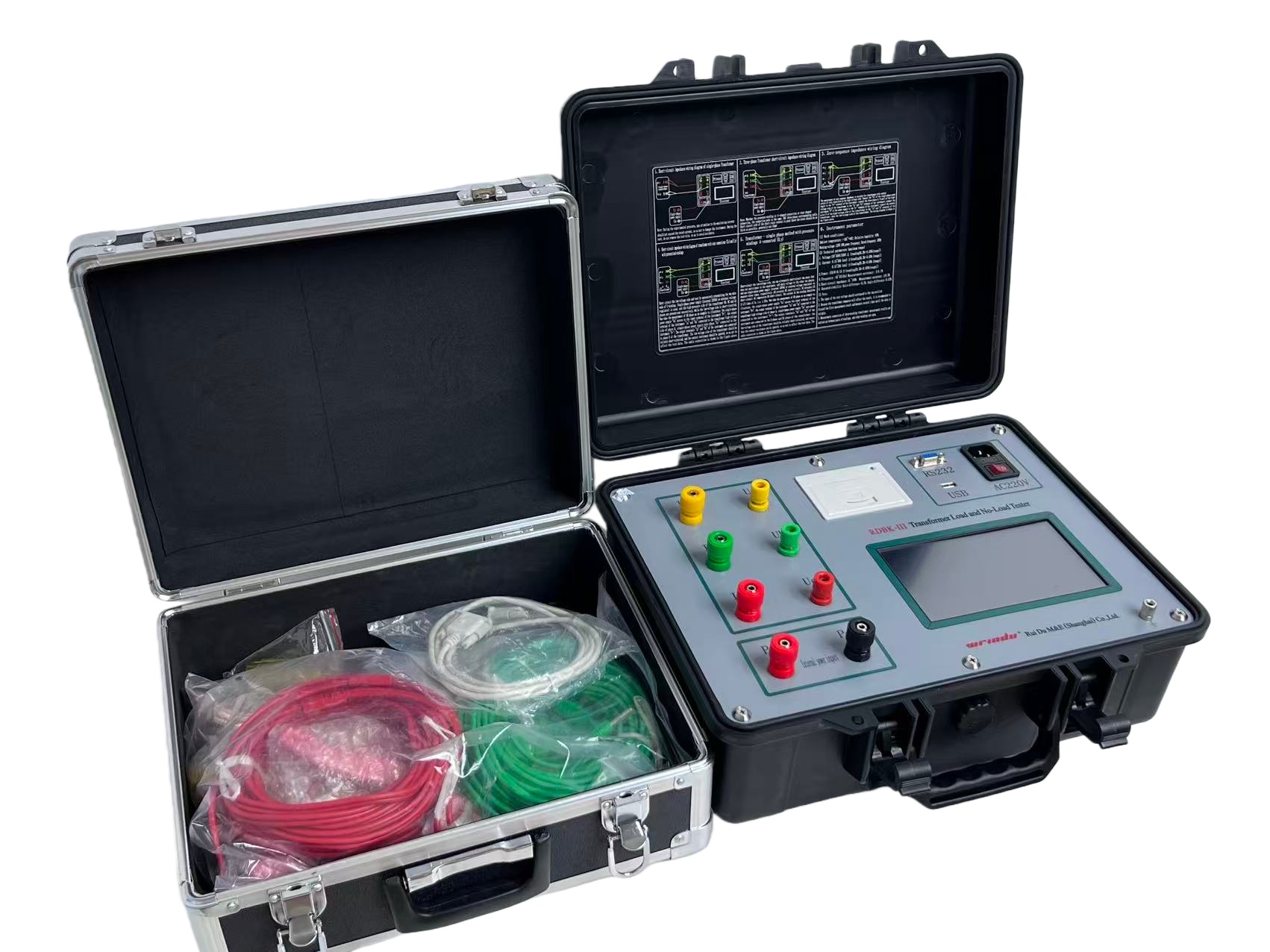
Customers use precision power analyzers or dedicated no load loss testers. The instrument must provide stable voltage and high measurement accuracy. Many engineers prefer integrated solutions such as the Wrindu No Load Loss Tester because it simplifies field testing and reduces setup errors.
How Accurate Does No Load Loss Measurement Need to Be?
No load loss values are relatively small, so accuracy is critical. Even small measurement errors can lead to wrong efficiency conclusions. Customers often ask about voltage stability, phase accuracy, and calibration. A professional test instrument helps ensure reliable and repeatable results.
Does No Load Loss Change During Transformer Service Life?
Yes, no load loss can change over time. Core aging, mechanical vibration, and insulation issues may increase losses. For this reason, customers often compare new test results with historical data. Trend analysis provides more value than a single test result.
What Mistakes Do Customers Commonly Make During Testing?
Some customers ignore temperature influence during testing. Others rely only on factory reports without field verification. Using general power meters instead of dedicated instruments is also a common issue. These mistakes can lead to inaccurate no load loss evaluation.
How Does Wrindu Help Customers Solve These Problems?
Wrindu designs test equipment for real field conditions. Wrindu instruments focus on accuracy, stability, and ease of use. This helps customers answer no load loss questions with confidence and reduce testing uncertainty.
Why Is No Load Loss Both a Technical and Business Issue?
No load loss affects efficiency, energy cost, and carbon emissions. It also influences compliance with standards and tender requirements. Because of this, engineers, buyers, and asset managers all care about it. Clear answers help customers make better long-term decisions.
