

What are Wrindu SF6 Test Instruments?
Wrindu's SF6 test instruments ensure safe, efficient operation of high-voltage equipment by measuring gas purity, moisture, and decomposition products. Reliable, portable, and easy to use.
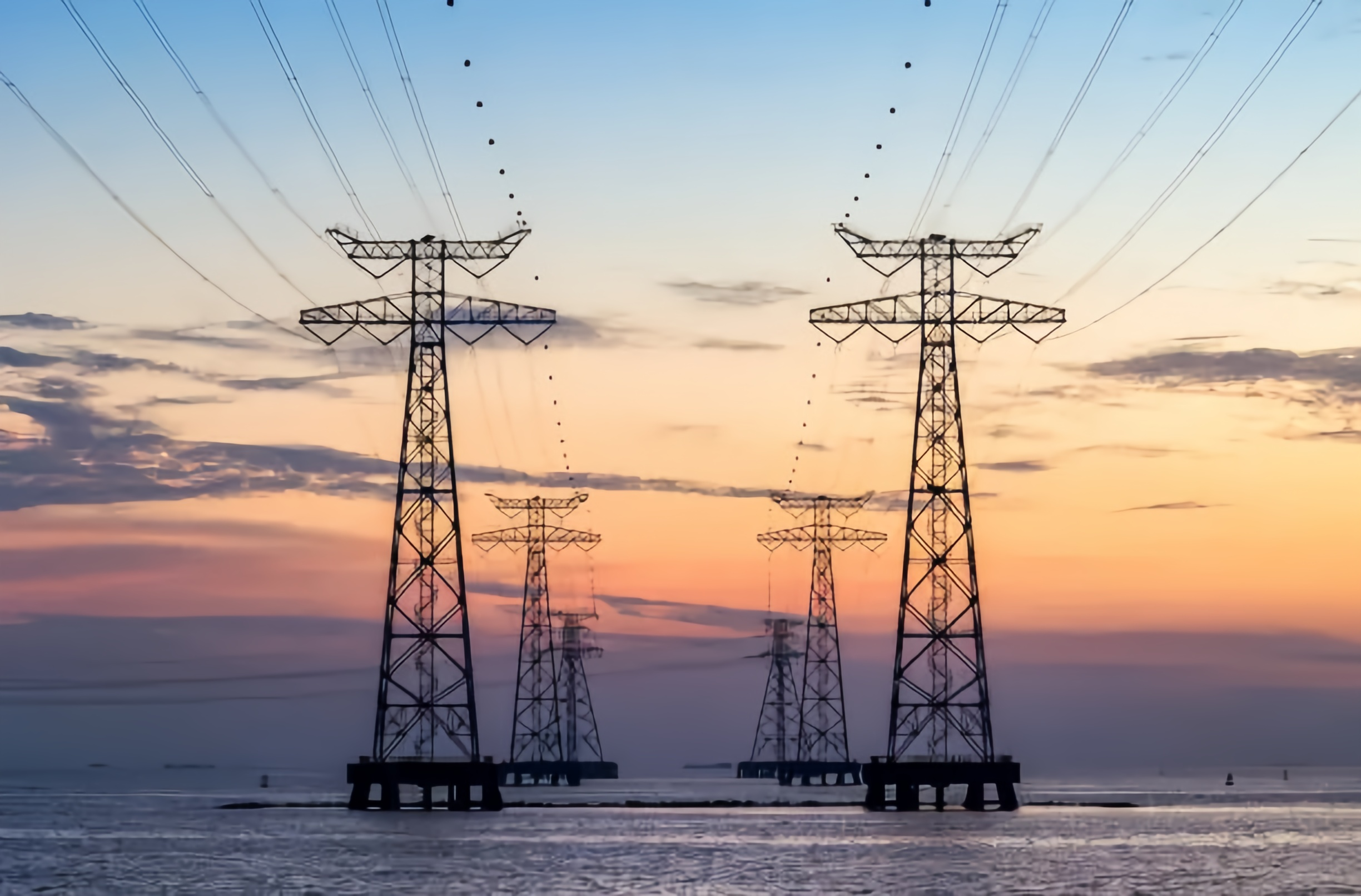
SF6 test instruments are specialized devices used to test the condition of SF6 gas in high-voltage electrical equipment such as circuit breakers, GIS, transformers, and bushings.
In power systems, SF6 gas testing is essential to:
-
Ensure operator safety
-
Prevent insulation failure
-
Detect early equipment faults
Common SF6 gas tests include:
-
SF6 gas purity testing
-
Moisture (micro-water) content testing
-
Decomposition product testing (SO₂, H₂S, etc.)
Excess moisture can cause corrosion and insulation degradation, while gas impurities and decomposition products can indicate internal faults. SF6 test instruments help verify that both the gas and the equipment remain within safe operating limits.
Why Is SF6 Gas Testing Important?
SF6 gas plays a critical role in arc quenching and insulation. However, under electrical stress such as arcing, corona discharge, or partial discharge, SF6 gas can decompose and react with moisture to produce toxic and corrosive substances.
Regular SF6 gas testing helps to:
-
Identify early-stage internal faults
-
Prevent equipment explosions and failures
-
Extend equipment service life
-
Maintain system reliability and safety
What Are the Advantages of SF6 Test Instruments?
| Advantage | Description |
|---|---|
| Reliable Sensor Performance | The instruments use high-quality imported sensors with a long service life, ensuring accurate, reliable, and repeatable measurements over time. |
| Rich Testing Functions | The instruments support a variety of tests, including gas purity analysis, moisture content testing, decomposition product detection, and more, providing a comprehensive solution. |
| Human-Centered Design | Features a color LCD touch screen, user-friendly interface, and intuitive operation, making it easier for users to operate the equipment effectively in the field. |
| Good Long-Term Stability | Offers stable and accurate results across a broad range of testing conditions, ensuring reliability and repeatability over the long term, even under challenging environments. |
What Types of SF6 Test Instruments Are Available?
| Type of SF6 Test Instrument | Description |
|---|---|
| SF6 Gas Purity Tester | A portable device used to measure the purity of SF6 gas. Ideal for routine maintenance, gas replacement during startup/shutdown, and industrial applications in metallurgy and petrochemical industries. |
| SF6 Micro Water Tester | Measures the trace moisture content in SF6 gas to prevent corrosion and ensure insulation performance. Uses high-precision imported humidity sensors for accurate measurements. |
| SF6 Gas Leak Detector | Detects and quantifies gas leaks in SF6 equipment. Helps locate leak points, prevent gas loss, and maintain operational safety in power plants and electrical systems. |
| SF6 Decomposition Products Tester | Detects decomposition products like SO₂ and H₂S, indicating internal equipment faults. Used for fault diagnosis, partial discharge monitoring, and routine equipment inspections. |
| SF6 Vacuum Charging Device | Evacuates, purifies, and charges SF6 gas in electrical equipment. Ensures high purity and pressure of gas, enhancing equipment stability and operational safety. |
| SF6 Gas Recovery & Purification Unit | Recovers, purifies, compresses, and reuses SF6 gas during equipment maintenance. Minimizes environmental impact and gas costs while ensuring safe equipment operation. |
Where Are SF6 Test Instruments Used?
Power Industry
Used in transmission and distribution systems to ensure safe operation of SF6-insulated equipment.
Industrial Manufacturing
Applied in semiconductor, chemical fiber, and casting industries to monitor SF6 gas concentration.
Mining and Chemical Industry
Ensures workplace safety by monitoring SF6 gas used as insulation or refrigerant.
Environmental Protection
Helps monitor and control SF6 emissions, reducing greenhouse gas impact.
How Should SF6 Test Instruments Be Maintained?
-
Avoid operation in explosive, high-dust, or hazardous environments
-
Ensure the tested equipment is powered off
-
Confirm test voltage does not exceed 36V
-
Verify the tested device’s withstand voltage matches the tester’s output range
Proper maintenance ensures accuracy, safety, and long service life.
How Are Wrindu SF6 Test Instruments Different from Traditional Ones?
| Feature | Rui Du SF6 Test Instruments | Traditional SF6 Test Instruments |
|---|---|---|
| Sensor Precision | High-precision imported sensors for accurate measurement of humidity, purity, SO₂, H₂S, CO, temperature, and mass flow. | Typically use lower precision sensors, which may affect the accuracy and reliability of results. |
| Multifunctional Integration | Integrates real-time measurement, curve display, data storage, power management, and printing. All features are combined into a user-friendly interface. | Traditional instruments may only offer basic testing functions without advanced integration or display options. |
| Sensitivity & Stability | High sensitivity and excellent stability, ensuring resistance to pollution and interference, making the instrument suitable for use in harsh environments. | May have lower sensitivity and can be affected by environmental factors, leading to less reliable performance in complex environments. |
| Design & Portability | Compact, lightweight design with large LCD for easy data display and intuitive analysis. | Typically larger, heavier, and may lack modern design features like LCD displays, making them harder to transport and use. |
Why Choose Rui Du SF6 Test Instruments?
Wrindu combines technical expertise, reliable quality, and customized solutions to meet the diverse needs of global customers. Whether for routine testing, fault diagnosis, or gas management, our SF6 test instruments help ensure safety, efficiency, and long-term reliability of power systems.
If you have special requirements, feel free to contact us. Our team is ready to provide professional pre-sales and after-sales support.
FAQs
What is the primary purpose of SF6 test instruments?
A: SF6 test instruments are used to check the purity, moisture, and decomposition products in SF6 gas. This helps ensure electrical equipment runs safely and prevents harmful gas leaks into the environment.
What are the standard testing limits for SF6 gas?
A: For equipment in use, the typical limits are:
-
Purity: above 97-98%
-
Sulfur dioxide (SO₂): below 10-12 ppm
-
Moisture (dew point): below -36°C or around 200 ppmv.
How often should SF6 gas be tested?
A: It’s usually recommended to test SF6 gas every 24 months for normal equipment. If contaminants are found, testing should be done more frequently, possibly every 6 months, or even every 14 days for serious faults.
What are the main types of SF6 test instruments?
A:
-
Multi-Analyzers: Measure purity, moisture, and SO₂ all at once from a single sample.
-
Leak Detectors: Handheld devices or infrared cameras that find gas leaks.
-
Density Monitors: Continuous systems that monitor gas pressure and temperature to calculate real-time density.
Why is moisture a problem in SF6 breakers?
A: Moisture can react with SF6 during electrical arcing to create harmful byproducts like HF and SO₂. These chemicals can damage the equipment and reduce its ability to insulate properly.
How do I maintain an SF6 test instrument?
A: SF6 test instruments typically need calibration every 12 months. Some newer models let you replace sensor modules on-site, preventing long downtimes for calibration.
Is there a 2026 ban on SF6?
A: Yes, a ban on using SF6 in new medium-voltage switchgear (up to 24 kV) starts on January 1, 2026, in areas like the EU. Existing equipment can still be used but needs ongoing leak monitoring and testing.
