

What Do You Know about No Load Loss Testing for Export Transformers?
No load loss testing for export transformers ensures IEC & ANSI compliance, accurate efficiency verification, and reliable measurement with Wrindu no load loss testers.
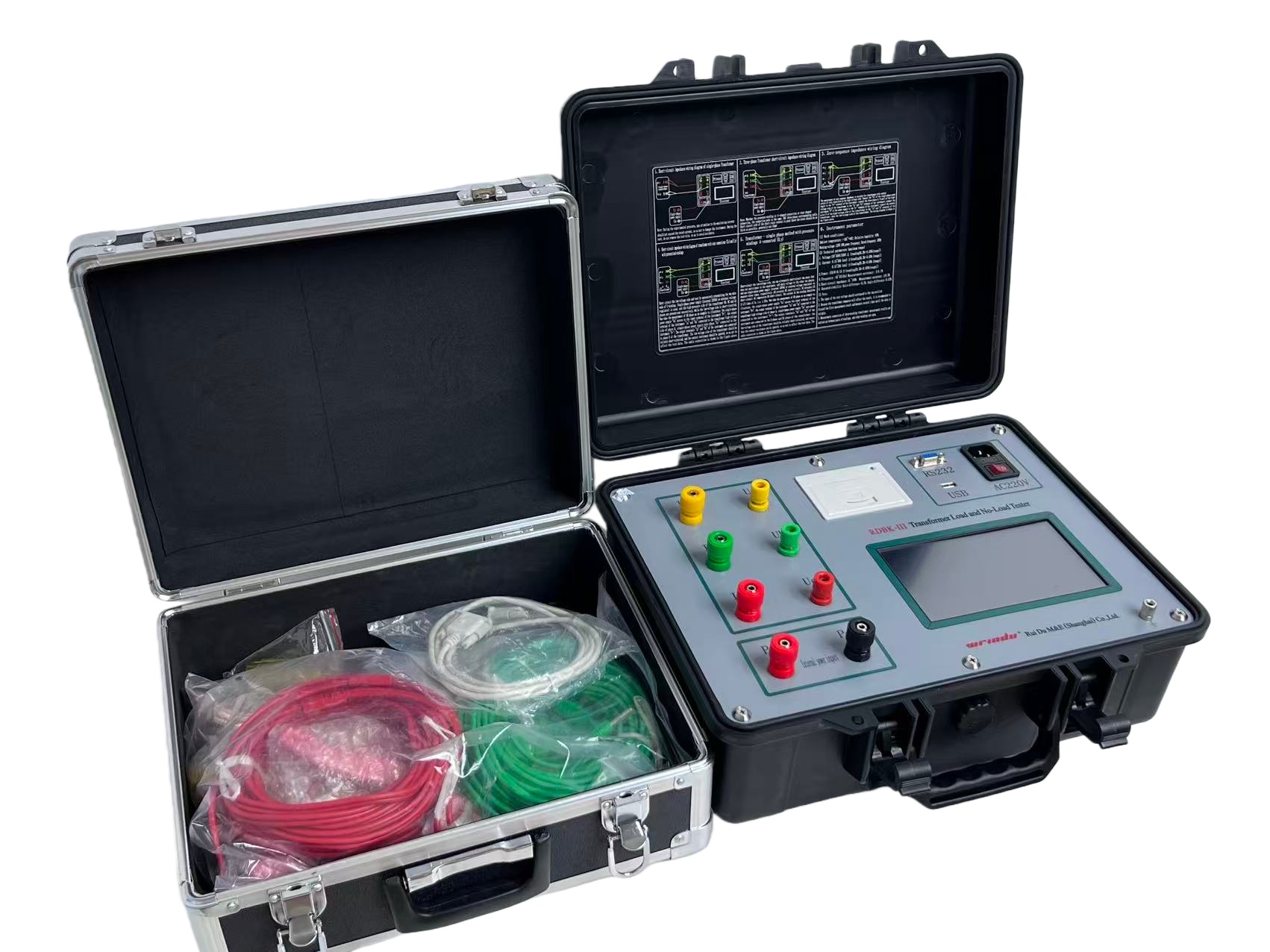
Export transformers must meet international performance standards to ensure efficiency and reliability. No load loss testing is a critical step in validating transformer quality before shipment. For international buyers, understanding the differences between IEC and ANSI standards and using accurate testing equipment is essential to guarantee compliance and control operating cost.
This article explains how no load loss testing is conducted for export transformers, highlights key IEC vs ANSI differences, and shows how Wrindu testing solutions help ensure reliable, repeatable measurements.
Why Is No Load Loss Testing Important for Export Transformers?
No load loss testing measures the energy a transformer consumes when energized at rated voltage with no load connected. For export transformers, this loss directly affects energy efficiency, cost of ownership, and compliance with international standards. Even small deviations from expected values can lead to increased operational costs or regulatory issues in the destination country.
For manufacturers, precise testing ensures that transformers meet contract requirements and maintain customer trust. For buyers, verified no load loss data provides confidence that the exported equipment performs efficiently under real operating conditions.
What Are the Key Differences Between IEC and ANSI Standards?
IEC (International Electrotechnical Commission) and ANSI (American National Standards Institute) define different limits and measurement procedures for transformer no load loss.
-
IEC standards generally focus on loss limits based on transformer rating and voltage class, with detailed guidelines for temperature and frequency correction.
-
ANSI standards provide specific allowable deviations and emphasize different test voltages and core design considerations.
Understanding these differences is critical for international export testing. Using the wrong standard or ignoring test conditions may result in non-compliance, warranty claims, or unexpected energy costs at the buyer’s site.
How Should No Load Loss Testing Be Performed for Export Transformers?
Accurate no load loss testing involves applying rated voltage at rated frequency, measuring active power, and correcting results for temperature and voltage. For large export transformers, testing may occur both at the factory and on-site.
Using advanced instruments, such as the Wrindu No Load Loss Tester, ensures reliable measurement by providing high-precision voltage and current control, synchronous sampling, and automatic correction for environmental factors. Wrindu testers also store and print data for documentation, supporting compliance with both IEC and ANSI standards.
What Challenges Do Engineers Face During Export Transformer Testing?
Export transformer testing presents several common challenges:
-
Large size and weight make transport and on-site setup difficult.
-
Voltage and frequency variations can affect measured no load loss.
-
Different international standards (IEC vs ANSI) require careful adjustment of test methods.
-
Documentation requirements demand traceable, repeatable results for contracts and regulatory approval.
Accurate instruments and trained personnel are essential to overcome these challenges and deliver validated, internationally compliant results.
How Does Wrindu Support Export Transformer No Load Loss Testing?
Wrindu provides a complete solution for high-accuracy no load loss testing of export transformers. With voltage ranges from 15 V to 500 V and currents up to 50 A (with CTs), Wrindu instruments detect small deviations that impact energy efficiency. Automatic corrections for temperature, voltage, and frequency ensure measurements remain compliant with IEC and ANSI standards.
Engineers can store, print, and transfer test results, simplifying documentation for international buyers. By using Wrindu testers, manufacturers and buyers can ensure their export transformers meet contractual and regulatory requirements, reduce hidden energy losses, and strengthen confidence in product quality.
What Questions Do International Buyers and Engineers Often Ask?
Q: Can no load loss testing verify compliance with both IEC and ANSI standards?
A: Yes. Accurate testing instruments like Wrindu testers can provide measurements and corrections suitable for both standards.
Q: How significant is no load loss for export transformers?
A: Very significant. Even small losses increase operational cost and may violate contractual energy efficiency limits in the importing country.
Q: Can testing detect core or manufacturing issues?
A: Yes. Deviations from expected no load loss often indicate core material or assembly problems that require correction before shipment.
Q: Why is documentation important for export testing?
A: Documentation provides proof of compliance. International buyers rely on accurate, traceable test reports to accept transformers and prevent disputes.
