

What Factors Influence DC Withstand Voltage Test Results?
Explore key factors affecting DC withstand voltage test results, including insulation quality, environmental conditions, and equipment setup, to ensure reliable testing and accurate results.
The DC withstand voltage test is a critical method for assessing the integrity of insulation in electrical equipment. However, several factors can impact the accuracy and reliability of the test results. Understanding these factors helps ensure that the test results are valid, providing accurate insights into the health of the insulation. In this article, we will explore the key elements that affect DC withstand voltage testing, including insulation quality, environmental conditions, equipment setup, and more.
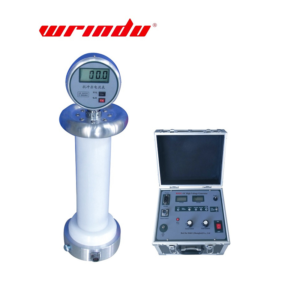
Click the picture to know more about Wrindu DC Withsatnd Volatge Tester.
How Do Voltage Distribution and Insulation Quality Affect Test Results?
Voltage distribution and the quality of insulation play significant roles in the outcome of a DC withstand voltage test. The insulation material’s ability to withstand high voltage is a critical factor in determining whether the transformer or equipment will pass the test.
-
Insulation Quality: High-quality insulation materials can withstand higher voltages without breaking down, providing a better test result. Conversely, poor insulation will result in higher leakage currents and a failed test.
-
Voltage Distribution: Uneven voltage distribution across the insulation can lead to localized breakdowns, affecting the test results. Proper uniform voltage application is essential for accurate testing.
What Impact Do Temperature and Humidity Have on Leakage Current Measurements?
Temperature and humidity are environmental factors that can significantly influence leakage current during DC withstand voltage testing.
-
Temperature: High temperatures can reduce the dielectric strength of insulation, making it more likely to break down under lower voltages. On the other hand, low temperatures may make the insulation more rigid and less effective, leading to potential inaccuracies in the test.
-
Humidity: Moisture increases the conductivity of the insulation, which results in higher leakage currents. A humid environment can cause a transformer’s insulation to degrade more quickly, affecting both the testing results and the long-term reliability of the equipment.
How Does Equipment Quality and Setup Affect DC Withstand Voltage Test Results?
The quality of the testing equipment and the setup process can also have a substantial impact on the accuracy of the DC withstand voltage test. Proper calibration, maintenance, and correct setup are critical for obtaining reliable results.
-
Equipment Quality: High-quality voltage testing instruments provide precise measurements, which are crucial for detecting minor insulation degradation that could lead to failure. Low-quality or poorly maintained equipment may lead to inaccurate results, potentially causing false readings.
-
Test Setup: Ensuring proper connections, correct voltage levels, and suitable test duration is essential for accurate measurements. Incorrect setup can lead to faulty data and misinterpretations of the insulation’s condition.
What Are the Key Factors to Monitor for Reliable DC Withstand Voltage Test Results?
In summary, several key factors affect the outcome of DC withstand voltage testing. To ensure accurate and reliable results, it’s crucial to monitor:
-
Insulation Quality: Ensure the insulation is of high quality and free from defects.
-
Environmental Conditions: Control temperature and humidity levels during testing to minimize their impact on leakage current measurements.
-
Testing Equipment and Setup: Use high-quality equipment, ensure proper calibration, and follow correct test procedures.
By understanding these factors, you can perform more reliable DC withstand voltage tests, ultimately ensuring the longevity and safety of electrical equipment.
What Do You Need to Know About DC Withstand Voltage Testing?
How Do I Ensure Accurate DC Withstand Voltage Test Results?
To achieve accurate results, make sure your testing equipment is calibrated regularly, and that you’re testing under controlled environmental conditions. Ensure the insulation is dry and free from contaminants before conducting the test.
What Is the Ideal Temperature for DC Withstand Voltage Testing?
Typically, DC withstand voltage tests should be conducted at standard ambient temperatures (around 20-25°C). Extreme temperatures can affect the test results, so it’s essential to monitor and control the testing environment.
How Often Should DC Withstand Voltage Tests Be Performed?
DC withstand voltage tests should be part of a regular maintenance schedule, often performed annually or after major maintenance or upgrades. However, equipment operating in harsh environments may require more frequent testing.
Can Leakage Current Indicate Insulation Issues?
Yes, excessive leakage current is a strong indicator of insulation degradation or contamination. If leakage current exceeds acceptable limits, it may indicate that the insulation is no longer effective and could lead to potential equipment failure.
