

What Is a Circuit Breaker Tester and Why Do You Need It?
Wrindu offers reliable circuit breaker testing solutions, ensuring safety and compliance with ISO, IEC, and CE standards. Trust us for high-quality, efficient testing services.
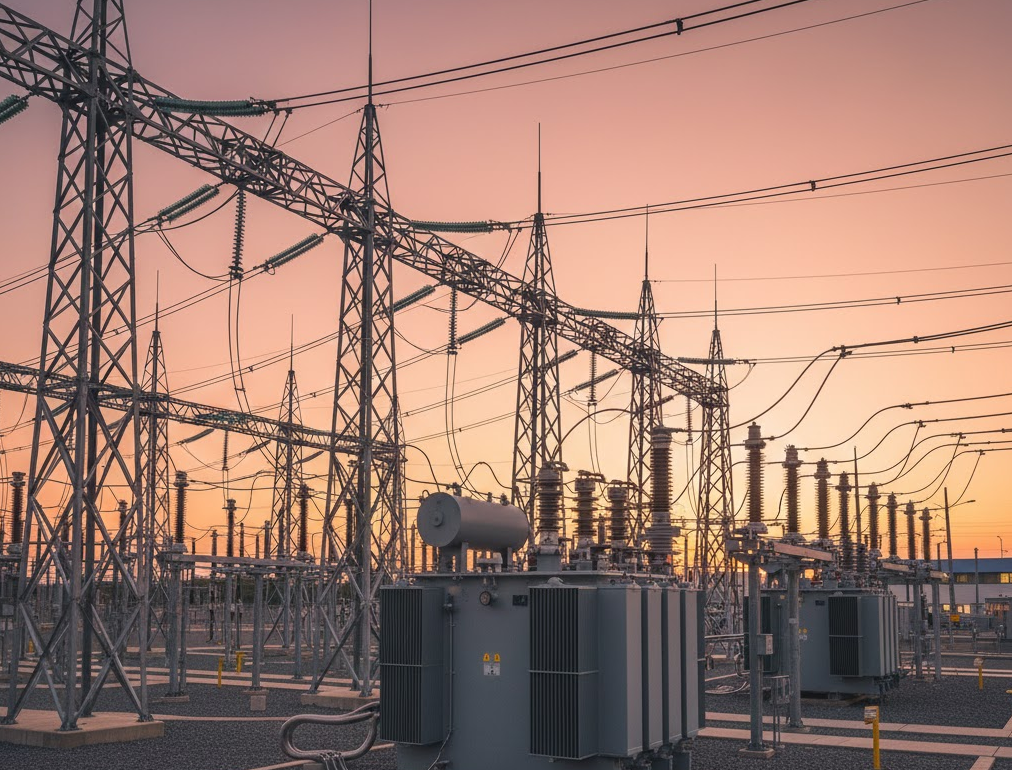
A Circuit Breaker Tester is a device used to test the performance of circuit breakers in electrical systems. It helps ensure that circuit breakers function properly to protect people and equipment from electrical hazards. By testing key parameters such as trip time, contact resistance, and the overall timing of the breaker’s operation, these testers provide valuable insights into the health of the breaker.
How Does a Circuit Breaker Tester Work?
Circuit breaker testers typically consist of two main parts: a transmitter and a receiver. The transmitter is connected to the circuit or fixture, while the receiver scans the panel to locate the right breaker. The tester will then check if the breaker responds correctly to faults and overloads.
The device also measures key functions like trip time, contact resistance, and mechanical operation. Some testers can even simulate faults to check how the breaker reacts under different conditions.
What Are the Different Types of Circuit Breaker Testers?
There are several types of circuit breaker testers designed for specific testing needs:
| Type of Tester | Purpose | Key Features |
|---|---|---|
| Primary Injection Test Set | Simulates fault conditions by injecting high current directly into the breaker. | Adjustable current settings, displays current and time, may include a motorized switch for remote operation. |
| Circuit Breaker Analyzer | Performs detailed analysis of the breaker’s operating time, trip settings, and other performance parameters. | Checks trip time, contact resistance, mechanical operation, etc. |
| Micro-Ohmmeter | Measures the resistance across the breaker’s contacts to ensure proper operation. | High-precision resistance measurement (in micro-ohms), detects wear or abnormal resistance in contacts. |
| High-Potential (Hipot) Tester | Tests the insulation strength of the breaker. | High-voltage output to test dielectric strength, typically used on medium to high-voltage breakers. |
| Contact Resistance Tester | Measures the resistance across the breaker’s contacts to ensure they are intact. | High-precision resistance measurement to ensure low resistance and prevent overheating or damage. |
| Circuit Breaker Vacuum Bottle Tester | Tests the vacuum degree of the arc extinguishing chamber without dismantling. | High precision (10⁻⁵ Pa), uses excitation coil and magnetic controlled discharge method, widely used in power, steel, petrochemical, textile, coal, and railway sectors. |
| Switch Dynamic Characteristics Test Set | Measures the dynamic mechanical characteristics of high-voltage circuit breakers. | Suitable for less oil, more oil, vacuum, and SF6 types; ensures safe and efficient operation by providing dynamic analysis of breaker performance. |
Why Is Circuit Breaker Testing Important?
Testing circuit breakers is crucial for several reasons:
-
Safety: Circuit breakers must disconnect during faults like overloads or short circuits. If they don’t perform as expected, it could lead to electrical fires or equipment damage.
-
Continuity of Supply: Proper testing ensures that circuit breakers function without unnecessary trips, preventing interruptions to electrical supply.
-
Standards Compliance: Regular testing is required by safety standards like IEC 60364-6 to make sure circuit breakers meet specific performance criteria.
What Are the Key Tests Performed on Circuit Breakers?
1. Mechanical Test
This test ensures that the breaker opens and closes at the correct speed and without any failure.
2. Thermal Test
Thermal testing checks how the breaker handles heat when current flows through it. Excessive temperature rise can signal issues with the breaker’s design or condition.
3. Dielectric Test
This test ensures the breaker can handle the voltage levels it’s rated for, including both power frequency and impulse voltage.
4. Short-Circuit Test
Circuit breakers are subjected to sudden short circuits to observe their behavior when breaking contact and after the arc is extinguished.
How Do You Choose the Right Circuit Breaker Tester?
When selecting a circuit breaker tester, consider the following:
-
Voltage and Current Rating: Choose a tester that can handle the breaker’s voltage and current levels.
-
Data Recording: The tester should be able to capture detailed data, like trip time and contact resistance, to give you a complete picture of the breaker’s condition.
-
Test Features: Look for testers that offer multiple functions, such as primary injection testing, overload tripping tests, and synchronization checks for multi-pole breakers.
How Can Circuit Breaker Testers Improve Maintenance?
Using a circuit breaker tester regularly helps identify potential issues before they become serious problems. By performing preventive maintenance and running tests such as the trip test or insulation resistance test, you can ensure that the breaker is in optimal working condition, reducing the risk of failure.
Wrindu Reviews
RuiDu Mechanical and Electrical (Shanghai) Co., Ltd., established in 2014, specializes in power testing equipment such as transformers, high-voltage switches, insulation testers, and more. With a workforce of over 200 employees and a factory spanning more than 50,000 square meters, we serve customers in over 120 countries. Our products are ISO, IEC, and CE certified, and we provide OEM/ODM services along with round-the-clock customer support. Trust Wrindu for reliable and high-quality circuit breaker testing solutions.
FAQs
What is a circuit breaker for equipment?
A circuit breaker is designed to protect an electrical circuit from damage caused by overcurrent or short circuits. Its main function is to interrupt the current flow once a fault is detected by protective relays.
What is circuit breaker testing?
Circuit breaker testing, checks the performance of the switching mechanisms and the timing of the tripping system. This ensures the breaker works properly during faults and prevents damage to the system.
How often should circuit breakers be tested?
Low-voltage circuit breakers should be exercised annually and undergo specialized testing every 3 to 5 years. High-voltage breakers need inspection every 6 to 12 months. Specialized units like Arc Fault Circuit Interrupters (AFCIs) should be tested monthly using their built-in test button.
What are the different types of circuit breaker tests?
Circuit breaker tests include mechanical, electrical, and insulation checks to ensure the breaker works under stress.
-
Trip Timing: Measures how fast the breaker responds to a fault.
-
Contact Resistance: Checks for wear or contamination on the contacts.
-
Insulation Resistance: Tests the insulation to avoid leakage.
-
Primary Injection: Simulates a high-current fault to test the whole tripping system.
What are the latest 2025 testing standards?
The ANSI/NETA ATS-2025 is the new primary standard for testing electrical power systems. And The 2025 update includes specific guidelines for testing Battery Energy Storage Systems (BESS) and Solar Photovoltaic (PV) Systems.
How do you test a circuit breaker with a multimeter?
A multimeter can check the voltage supply and continuity of the circuit breaker when it’s off. And For continuity, ensure the resistance is less than 1 ohm when the breaker is closed. Always turn off the main power before testing for resistance.
When should a breaker be replaced rather than just tested?
Replace the breaker immediately if there is a burning smell, visible damage, or excessive heat. And If the breaker trips frequently under light loads or won’t reset after being turned off, it likely has an internal fault and needs replacement.
