

What Is a DC Withstand Voltage Test and How Do Electrical Engineers Perform It?
What is a DC withstand voltage test? Learn how electrical engineers use it to evaluate dielectric strength, detect insulation defects, and ensure safe high-voltage testing.
Why Is the DC Withstand Voltage Test Important?
The DC withstand voltage test plays a key role in high-voltage testing. Engineers use it to check insulation quality before equipment enters service. This test helps detect hidden insulation defects that may cause breakdowns later. Utilities and manufacturers rely on it to reduce failure risk and improve long-term reliability.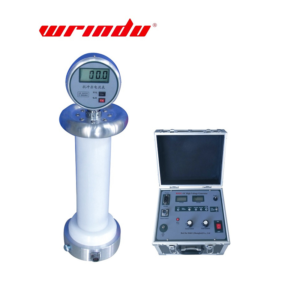
Click picture to know about Wrindu DC withstand voltage tester.
Compared with routine insulation resistance tests, a DC withstand voltage test applies higher stress. It gives engineers more confidence in dielectric strength and insulation integrity.
What Is a DC Withstand Voltage Test?
A DC withstand voltage test applies a specified DC voltage to electrical equipment for a fixed time. The goal is simple. The insulation must withstand the voltage without breakdown or excessive leakage current.
Engineers often compare this test with AC testing. DC testing uses simpler equipment and produces stable readings. It works well for transformer testing, cables, bushings, and capacitors. DC voltage also allows easier leakage current observation during the test.
Why Do Engineers Use DC Testing Instead of AC Testing?
Many engineers ask this question during project planning. DC testing needs lighter equipment and lower power demand. This makes it suitable for on-site high-voltage testing.
DC tests also highlight insulation defects like moisture, contamination, and aging. These issues often appear as rising leakage current. This behavior helps engineers judge insulation condition more clearly.
How Does the DC Withstand Voltage Test Evaluate Insulation Quality?
Insulation quality depends on dielectric strength. During a DC withstand voltage test, weak insulation shows instability. Leakage current may rise or fluctuate. In severe cases, breakdown occurs.
Stable current behavior usually indicates healthy insulation. This information helps engineers decide whether equipment can operate safely or needs repair.
How Do You Perform a DC Withstand Voltage Test Step by Step?
Engineers often ask for a clear procedure. The process includes several key steps.
First, clean and inspect the equipment. Remove surface dirt and moisture.
Second, connect the high-voltage DC test set and grounding system.
Third, increase voltage gradually to the specified test value.
Fourth, hold the voltage for the required duration and monitor leakage current.
Finally, reduce voltage slowly and discharge the equipment safely.
Proper setup ensures accurate results and protects personnel.
What Equipment Is Needed for DC Withstand Voltage Testing?
A DC withstand voltage tester forms the core of the setup. It must deliver stable output and accurate current measurement. Good testers allow smooth voltage control and clear display.
For transformer testing and other high-voltage equipment, engineers also need grounding cables, safety barriers, and warning signs. Reliable equipment improves test efficiency and data confidence.
What Common Problems Does the DC Withstand Voltage Test Reveal?
DC testing often exposes insulation defects that remain hidden under normal voltage. Common problems include moisture ingress, insulation aging, and surface contamination.
Moisture increases leakage current. Aging insulation shows unstable current trends. Early detection allows maintenance teams to act before failure occurs.
What Safety Precautions Should Engineers Follow?
Safety remains critical during high-voltage testing. Engineers should use proper personal protective equipment. Clear test zones prevent accidental contact.
Always discharge the equipment fully after testing. Follow standard grounding procedures. These steps protect both personnel and equipment.
What Should Engineers Remember About DC Withstand Voltage Testing?
The DC withstand voltage test remains a reliable method for evaluating insulation defects and dielectric strength. It supports transformer testing, cable testing, and other high-voltage applications.
When engineers follow correct procedures and safety rules, this test delivers valuable insight into insulation condition. It helps prevent failures and improves system reliability.
