What is a Grounding and Insulation Resistance Tester and Why Do We Need It?
Discover Wrindu's Grounding and Insulation Resistance Testers, designed to ensure electrical safety, prevent failures, and improve equipment longevity. Reliable, versatile, and high-tech!
As a crucial tool in electrical maintenance, a Grounding and Insulation Resistance Tester plays an essential role in ensuring the safety and reliability of electrical systems. But what exactly is this tester, and why is it so important? Let’s explore the key functions and applications of this testing equipment.
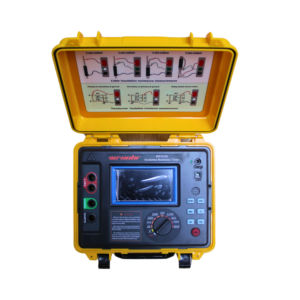
Click the image to know more about Wrindu IR Tester.
What Is a Grounding and Insulation Resistance Tester?
A Grounding and Insulation Resistance Tester, commonly known as a megger or megohmmeter, is a device used to measure the effectiveness of insulation in electrical systems. It checks whether the insulation surrounding cables, motors, transformers, and other electrical equipment is intact and performing properly. A higher resistance reading indicates that the insulation is more effective at preventing electrical failures, ensuring safety in electrical circuits.
These testers are vital for detecting faults, such as wear or damage to the insulation, which can lead to electrical accidents, short circuits, or system malfunctions. Regular testing helps uncover hidden issues before they result in serious damage.
Why Do We Need Grounding and Insulation Resistance Testers?
-
Safety and Risk Prevention
Electrical failures can lead to significant safety hazards, including fires, equipment damage, or even electrocution. By regularly testing insulation resistance, grounding systems, and cable integrity, electricians and engineers can identify and correct potential issues before they escalate. -
Improved Equipment Longevity
By maintaining insulation resistance at optimal levels, equipment like transformers, generators, and electrical motors will last longer. Insulation breakdowns can lead to costly repairs or even full equipment failure. Routine testing can prevent these premature failures, saving time and money in the long term. -
Compliance with Safety Standards
In many industries, especially in power plants and commercial buildings, regular insulation resistance testing is a regulatory requirement. Using a Grounding and Insulation Resistance Tester ensures that equipment meets the required safety standards and is compliant with industry regulations.
How Do Grounding and Insulation Resistance Testers Work?
Grounding and insulation resistance testers work by applying a known test voltage to the equipment under test. The tester then measures the resistance to the flow of electrical current. If the insulation is intact and functional, the resistance will be high. However, if the insulation is damaged, resistance will be low, signaling that the equipment may not function properly or could pose a safety risk.
What Are the Types of Grounding and Insulation Resistance Testers?
-
Insulation Resistance Meter (Megohmmeter)
This compact device is used for smaller applications and can easily measure insulation resistance. It’s portable and is often used for testing wiring, generators, and motors. While the insulation resistance meter is simple and convenient, it may have limited functionality for more complex tests. -
High Voltage Insulation Resistance Tester
This advanced tester offers a broader range of testing capabilities, including insulation resistance tests on large equipment like transformers, power switches, and high-voltage cables. These testers are larger and more robust, providing a wider scope for high-voltage applications.
Key Features of Grounding and Insulation Resistance Testers
-
High Anti-Interference Technology
Modern testers, like those from Wrindu, are equipped with high anti-interference technology. This allows them to work effectively even in environments with strong electromagnetic interference, such as substations. -
Multiple Measurement Modes
These testers offer flexible testing options, including PI (Polarization Index), DAR (Dielectric Absorption Ratio), and voltage measurement modes. Users can set the test voltage and duration according to the specific requirements of their equipment. -
Automatic Discharge Function
After completing the test, the tester automatically discharges the equipment, which eliminates the need for an external discharge circuit. This feature improves safety by quickly reducing voltage after testing. -
High-Capacity Storage
Wrindu testers can store up to 1000 test results, complete with time and date stamps. This allows users to keep detailed records for maintenance purposes or regulatory compliance.
Applications of Grounding and Insulation Resistance Testers
-
Electrical Equipment Maintenance
Testers are used to inspect the insulation of equipment, identifying any faults or weaknesses. Regular testing ensures that equipment like transformers, generators, and circuit breakers remains in optimal condition. -
Electrical Equipment Manufacturing
During production, insulation resistance testers check the insulation integrity of electrical products. This helps ensure that the products meet safety standards before they reach the market. -
Building Electrical Safety
In construction and building maintenance, these testers are used to test the safety of electrical installations. Ensuring that all wiring and electrical systems are properly insulated reduces the risk of electrical hazards in residential and commercial buildings. -
Power Industry Testing
In power plants and utilities, insulation resistance testers are used to inspect critical infrastructure, including transmission lines and substations. This helps prevent equipment failure and ensures uninterrupted power supply.
Safety Considerations When Using Grounding and Insulation Resistance Testers
When using a grounding and insulation resistance tester, safety is paramount. Here are some tips to follow:
-
Environmental Conditions: Avoid using the tester in explosive gas, steam, or high-dust environments.
-
Test Voltage: Always confirm that the tester voltage is no higher than 36V before use.
-
Power-Off State: Ensure that the tested device is powered off. Testing live equipment can be dangerous.
-
Charge Discharge: After testing, ensure that any residual charge is safely discharged, especially if the voltage exceeds 36V.
Wrindu’s Commitment to Quality Testing Equipment
As a leading manufacturer in the field, Wrindu has spent over ten years developing high-quality Grounding and Insulation Resistance Testers. Our products are widely used in over 50 countries, including leading power companies in Ethiopia, Uganda, and Dubai. In addition to our high-performance testing instruments, we offer OEM and ODM services tailored to meet the specific needs of our clients.
For more information or any special requirements, feel free to contact Wrindu. We are dedicated to providing top-notch products and professional services to help you maintain the safety and reliability of your electrical systems.