

What Is a Partial Discharge (PD) Tester and How Does It Improve Electrical Safety?
Learn how a PD tester detects partial discharge in high-voltage equipment to prevent insulation failure, improve safety, and support predictive maintenance.
- BYwrindu
- On
- InTechnical FAQs
A Partial Discharge (PD) tester is a diagnostic instrument used to identify insulation weaknesses in high-voltage equipment by measuring partial discharge activity. These small electrical discharges occur when insulation begins to deteriorate. Detecting them early helps prevent major failures, reduces repair costs, and strengthens overall system reliability.
Established Chinese manufacturers such as Wrindu supply high-precision, customizable PD testing systems for OEM partners, wholesalers, and industrial clients worldwide.
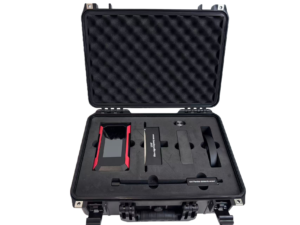
Click the picture to know more about Wrindu Comprehensive Partial Discharge Detection Equipment.
How Does a PD Tester Operate?
A PD tester introduces high voltage to insulation systems and captures microscopic discharge pulses produced by defects. These pulses may be detected through electrical signals, acoustic emissions, or electromagnetic waves.
By analyzing signal amplitude, phase, and frequency, technicians can determine both the location and severity of insulation problems. Modern systems use advanced filtering algorithms to separate background interference from genuine PD activity, ensuring dependable diagnostic results.
Wrindu incorporates intelligent noise rejection and signal processing software to deliver accurate and repeatable measurements, even in electrically noisy environments.
Main Types of PD Testers
Several types of PD testing instruments are commonly used across industries:
1. Offline PD Testers
Designed for factory testing or scheduled maintenance when equipment is de-energized.
-
High precision
-
Detailed waveform analysis
2. Online PD Monitoring Systems
Installed for continuous monitoring while equipment remains in service.
-
Real-time alerts
-
Remote data access
3. Portable and Handheld PD Detectors
Ideal for field inspections and troubleshooting tasks.
-
Compact and mobile
-
Quick setup and operation
4. Acoustic and Ultrasonic PD Instruments
Used to pinpoint discharge locations without dismantling equipment.
-
Non-invasive detection
-
Accurate fault localization
Manufacturers like Wrindu offer flexible models covering each category, with options tailored to specific industry requirements.
Equipment That Requires PD Testing
Partial discharge testing is especially important for:
-
High-voltage power transformers
-
Gas-insulated switchgear (GIS)
-
Medium- and high-voltage cable systems
-
Motors and generators
-
Capacitors and bushings
Early detection of discharge activity in these assets helps utilities and industrial operators avoid sudden breakdowns and extended downtime.
Why PD Testing Matters for Asset Management
PD testing plays a central role in condition-based maintenance strategies. Instead of relying on fixed service intervals, engineers can make decisions based on real insulation health data.
Key advantages include:
-
Reduced unplanned outages
-
Lower maintenance expenses
-
Improved fire and fault prevention
-
Extended equipment lifespan
-
Compliance with international safety standards
Integrated PD monitoring solutions provided by Wrindu are engineered to enhance operational efficiency and long-term asset performance.
When Should PD Testing Be Performed?
PD assessment is typically conducted:
-
During manufacturing quality inspections
-
Before commissioning new high-voltage installations
-
At scheduled maintenance intervals
-
Continuously through online monitoring systems
Performing tests at the right stages allows organizations to detect defects early and reduce operational risk.
Sourcing Reliable PD Testers in China
Major industrial hubs such as Shanghai, Shenzhen, and Suzhou are home to experienced PD testing equipment manufacturers. Companies like Wrindu supply ISO9001- and IEC-compliant systems with OEM customization, bulk supply options, and international logistics support.
These suppliers provide scalable solutions for utilities, engineering contractors, and equipment manufacturers worldwide.
Custom PD Solutions
Wrindu develops application-specific PD testing systems built around customer requirements. Features may include:
-
Multi-channel synchronized measurement
-
Advanced noise filtering technology
-
Real-time data processing
-
Cloud connectivity and IoT integration
-
User-friendly control interfaces
Each system undergoes strict quality control to meet global industrial standards.
Recent Advances in PD Technology
Modern PD testing systems have evolved significantly in recent years. Innovations include:
-
Simultaneous multi-channel measurement
-
Improved digital noise suppression
-
Wireless portable detectors for remote inspections
-
Integration with cloud-based monitoring platforms
Continuous investment in research and development allows manufacturers to deliver smarter and more efficient diagnostic solutions.
Can PD Testers Identify Different Discharge Types?
Yes. Advanced PD testers can distinguish between corona discharge, surface discharge, and internal insulation defects by analyzing waveform patterns and signal behavior.
This differentiation enables maintenance teams to apply targeted repair strategies rather than general maintenance actions.
Is Training Necessary?
Although today’s PD instruments feature intuitive interfaces, professional training is recommended. Correct setup, safe operation, and accurate data interpretation require technical understanding.
Wrindu offers customer training and ongoing technical support to ensure optimal system performance.
Expert Insight
“Partial discharge monitoring is one of the most effective tools for protecting high-voltage equipment. By combining advanced sensor technology with intelligent data analysis, our PD testers help customers detect insulation issues at an early stage, reducing downtime and avoiding costly failures.”
— Technical Team, Wrindu
PD Tester Types and Applications
| PD Tester Type | Typical Application | Core Advantages |
|---|---|---|
| Offline PD Systems | Factory and maintenance testing | High accuracy, in-depth analysis |
| Online PD Monitoring | Continuous live monitoring | Real-time alarms, remote access |
| Portable PD Devices | On-site inspection | Mobility, rapid deployment |
| Acoustic/Ultrasonic PD | Fault localization | Non-destructive, precise positioning |
Key Features of Wrindu PD Testers
| Feature | Operational Benefit |
|---|---|
| Multi-Channel Input | Simultaneous signal acquisition |
| Intelligent Noise Filtering | Improved accuracy in noisy sites |
| Real-Time Diagnostics | Instant evaluation and trending |
| User-Oriented Interface | Easy operation across skill levels |
| Custom Configuration | Adaptable to various standards |
Conclusion
Partial discharge testers are vital tools for early detection of insulation deterioration in high-voltage systems. By identifying faults before they escalate, these instruments significantly improve operational safety and reduce lifecycle costs.
Manufacturers such as Wrindu deliver customizable, high-accuracy PD testing equipment designed to meet the needs of OEMs, utilities, and industrial users worldwide. Investing in advanced PD technology strengthens electrical safety, increases reliability, and supports long-term asset protection.
Frequently Asked Questions
What Is a PD Tester and How Does It Improve Electrical Safety?
A PD tester measures partial discharge activity inside high-voltage equipment. By revealing early insulation damage, it prevents system breakdowns, reduces fire risk, and enhances operational reliability.
What Is the Main Objective of PD Testing?
The purpose of PD testing is to detect and evaluate insulation defects before they develop into major electrical failures. It supports preventive maintenance and long-term asset reliability.
How Does a PD Tester Evaluate Insulation Condition?
The device detects high-frequency pulses generated by insulation defects. By examining signal characteristics, engineers can determine the fault’s position and severity.
What Types of PD Testers Are Used in Industry?
Common options include offline testing systems, online monitoring units, and portable field detectors. Each type addresses specific maintenance and operational needs.
Why Use a Portable PD Tester?
Portable units allow technicians to conduct fast, on-site inspections without dismantling equipment. This reduces downtime and simplifies maintenance work.
How Do Online PD Systems Support Real-Time Monitoring?
Online systems continuously observe insulation performance during operation. They provide early warnings, enabling proactive intervention before failures occur.
How Does PD Testing Improve Transformer Performance?
Early detection of insulation aging, moisture, or contamination prevents internal faults and extends transformer service life.
Why Is PD Testing Important for Switchgear?
In switchgear, PD testing identifies localized insulation weaknesses that may lead to flashovers or arc faults. Routine monitoring enhances operational safety and reliability.
