

What is High Voltage Insulation Test Equipment?
Ensure electrical safety with Wrindu high voltage insulation testing. Discover key features, testing methods, and factors for selecting the right equipment. Choose reliable, certified solutions for effective fault detection and prevention.
High voltage insulation test equipment is essential for measuring the integrity of electrical systems by testing their insulation resistance. These devices apply high voltage and low current to detect leaks, insulation damage, and other faults that could lead to electrical hazards such as fires, arc faults, or electric shock. The equipment is crucial in preventing costly repairs and ensuring the safety of electrical systems.
Click to find information about High Voltage Insulation Testing Equipment.
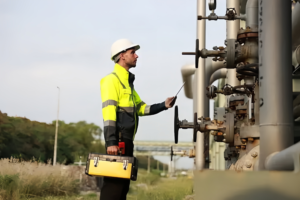
How Does High Voltage Insulation Testing Work?
High voltage insulation testers use a high DC voltage to check the resistance within cables, wires, and electrical components. The voltage typically ranges from a few hundred volts to several thousand volts, depending on the test requirements. The primary function of this test is to identify insulation breakdown, which could lead to short circuits or electrical failures.
By applying a voltage to the insulation and measuring the resulting current, the tester determines if the insulation is strong enough to prevent leaks. The higher the resistance, the better the insulation.
Why is High Voltage Insulation Testing Important?
Insulation degradation can often go unnoticed through visual inspection alone. High voltage insulation testing helps to identify issues early, before they cause serious damage. For example, damaged insulation can lead to electrical leakage, creating the risk of short circuits or fires. Regular insulation testing ensures the safety of both electrical systems and personnel, making it an essential preventive maintenance task.
What are the Key Features of High Voltage Insulation Test Equipment?
| Feature | Description |
|---|---|
| Intelligent Computing | Some models automatically calculate the Polarization Index (PI) and Dielectric Absorption Ratio (DAR) to perform up to 1,300 tests at 2,500V. |
| Security Functions | Built-in voltage alarms and IV 600V ratings provide an extra layer of safety during testing. |
| Stable Measurement | Adjustable test voltage from 250V to 2,500V in 100V increments ensures precise and stable readings. |
| Convenient Display | Clear visual or audible indicators for easy monitoring, allowing focus on the testing process. |
How Can HV Testers Be Used in Different Applications?
| Application | Description |
|---|---|
| Preventive Maintenance | Assesses insulation resistance to identify degradation that may not be visible but could lead to failures, short circuits, or fire hazards. |
| Quality Assurance | Verifies that electrical products meet safety standards, ensuring proper insulation in items like power transformers and industrial machines during manufacturing. |
| Fault Diagnosis | Helps pinpoint the exact location and nature of insulation failure in electrical systems, enabling quicker and more accurate repairs. |
What Are the Different Methods of High Voltage Insulation Testing?
| Test Method | Description |
|---|---|
| AC Tests | Apply alternating current (AC) to check insulation’s dielectric strength. |
| Power Frequency Tests | Uses sinusoidal voltage of 50 or 60 Hz to evaluate steady-state insulation behavior. |
| Lightning Impulse Tests | Simulate lightning strikes to assess the insulation’s transient response. |
| DC Tests | Apply direct current (DC) to measure insulation resistance and leakage current. Used to detect cracks, moisture, and other defects. |
| Partial Discharge (PD) Tests | Measure small electric sparks (partial discharges) within insulation caused by defects, critical for assessing long-term insulation health. |
| VLF Tests | Apply very low-frequency (VLF) voltages to long cables and transformers. An energy-efficient alternative for cables that can’t be tested with regular AC or DC tests. |
| RIV Tests | Measure the electromagnetic interference (radio noise) generated by electrical systems under high voltage stress, ensuring compliance with radio interference regulations. |
| HVDC Tests | High Voltage Direct Current (HVDC) tests are used for HVDC systems to verify performance and reliability, especially for long-distance power transmission. |
What Are AC Tests?
AC tests apply alternating current (AC) to check insulation’s dielectric strength. These tests can help verify whether an electrical system can withstand typical operating conditions. There are two types of AC tests:
-
Power Frequency Tests: These tests use a sinusoidal voltage of 50 or 60 Hz to evaluate steady-state insulation behavior.
-
Lightning Impulse Tests: These simulate lightning strikes to assess the insulation’s transient response.
What Are DC Tests?
DC tests apply direct current (DC) to measure insulation resistance and leakage current. These tests are often used to detect cracks, moisture, and other defects that might not be visible. Hi-pot tests, which apply high voltage DC, are commonly used during equipment installation but are not recommended for routine testing due to the stress they place on insulation.
What are Partial Discharge (PD) Tests?
PD tests measure the partial discharge (small electric sparks) that occurs within insulation due to defects. These tests are critical for assessing the long-term health of insulation and preventing failures.
What Are VLF Tests?
Very Low Frequency (VLF) tests apply low-frequency voltages to long cables and transformers. VLF tests are useful for cables that cannot be tested with regular AC or DC tests, offering an alternative method that is more energy-efficient.
What Are RIV Tests?
Radio Interference Voltage (RIV) tests measure the electromagnetic interference generated by electrical systems under high voltage stress. RIV testing ensures compliance with regulations concerning radio interference.
What Are HVDC Tests?
High Voltage Direct Current (HVDC) tests are specifically for HVDC systems. These systems are used to transmit power over long distances with minimal losses, and HVDC tests help verify the performance and reliability of HVDC equipment.
What Factors Should You Consider When Choosing High Voltage Insulation Test Equipment?
| Factor | Answer |
|---|---|
| What Voltage Should You Choose? | If you’re working on installations, a single voltage model may be enough. However, for diagnostic purposes, select equipment with variable voltage settings to test various systems thoroughly. |
| Why is Measurement Range Important? | Some testers measure resistance across a wide range, including teraohms (TΩ). This is crucial if you need precise measurements over time to monitor insulation deterioration. |
| What Power Source Should You Use? | Testers can be powered by batteries, hand cranks, or rechargeable batteries. Each power source has its own advantages and disadvantages, so consider the trade-off between convenience and battery life. |
| What Display Options Are Available? | High voltage insulation testers usually come with digital or analog displays. Some newer models offer both types, allowing you to choose the one that best fits your needs and preferences. |
| What Additional Features Are Worth Considering? | Look for models that offer features like pre-programmed standardized tests (e.g., Polarization Index), timed tests, data storage, and leakage current measurements. These extra features can enhance the flexibility and efficiency of your testing. |
Testing Equipment Included In Withstand Voltage Test
| Instrument | Features |
|---|---|
| VLF Tester | 1. Over-voltage protection. 2. High-pressure output resistance design, eliminating the need for external protective resistance. 3. High and low-pressure closed-loop feedback control, ensuring stable output. |
| HV Hipot Tester | 1. High voltage stability with low ripple factor. 2. Fast and reliable protection circuit. 3. Over-voltage setting function with over-voltage, over-current, and short-circuit discharge protection. 4. Disconnection and non-zero starting options. |
| Primary Injection Test Set | 1. Dual ammeter design for both large and small range current monitoring. 2. Easy-to-use operation with indicator lights and button controls for accurate current measurement. |
| AC High-Voltage Inflatable Test Transformer (20kVA) | 1. Lightweight and compact (40%-65% lighter than oil-immersed transformers). 2. No oil, maintenance-free. 3. Operates in all weather conditions, suitable for on-site testing. 4. Higher insulation strength and minimal corona effect compared to oil-immersed transformers. |
| AC DC Withstand Voltage Tester | 1. Universal AC/DC high-voltage withstand tester. 2. Output voltage range of 0-5kV. 3. Widely used for testing electrical equipment, household appliances, piezoelectric ceramics, and other instruments. |
Wrindu Reviews
