

What Is HV Insulation Testing Methods
Learn about HV insulation testing including DC withstand, VLF, and insulation resistance tests. Understand how it supports transformer oil analysis and system reliability.
High-voltage (HV) insulation testing is a critical diagnostic process used to evaluate the integrity and reliability of insulation systems in electrical equipment. It ensures that components such as transformers, cables, switchgear, and motors can safely withstand operating and overvoltage conditions without failure.
Unlike basic oil testing, HV insulation testing focuses on the entire insulation system, including both liquid insulation (oil) and solid insulation (paper, polymer, or epoxy materials).
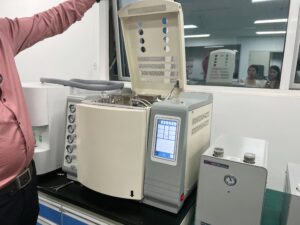
Click the image to know more about Transformer oil gas chromatography analyzer.
Why HV Insulation Testing Is Important
Electrical insulation naturally degrades over time due to:
- Thermal stress
- Electrical stress
- Moisture ingress
- Contamination
Key Objectives of HV Testing:
- Detect insulation weaknesses before failure
- Verify equipment readiness for operation
- Ensure safety and compliance
- Support preventive maintenance strategies
👉 HV insulation testing is essential for avoiding unexpected outages and costly damage.
Types of HV Insulation Testing
Different test methods are used depending on equipment type and diagnostic goals.
1. DC Withstand Voltage Testing Explained
This test applies a high DC voltage to insulation for a specified period.
Purpose:
- Verify insulation strength
- Detect leakage current and defects
Applications:
- Power cables
- Transformers
- Switchgear
Key Advantage:
- Simple and widely used
Limitation:
- May not accurately simulate real AC operating conditions
👉 Best used for basic insulation verification and commissioning tests.
2. VLF Testing for Cables
Very Low Frequency (VLF) testing uses low-frequency AC voltage (typically 0.1 Hz).
Purpose:
- Test cable insulation under conditions closer to actual operation
Benefits:
- Lower power requirements
- Effective for long cable systems
- Portable equipment for field use
Applications:
- Medium- and high-voltage cables
👉 VLF testing is ideal for on-site cable diagnostics and maintenance.
3. Insulation Resistance Testing Guide
This is one of the most common and fundamental insulation tests.
How It Works:
- A DC voltage is applied
- Resistance is measured between conductors and ground
What It Indicates:
- Overall insulation condition
- Presence of moisture or contamination
Key Metric:
- Insulation resistance value (in megaohms or gigaohms)
👉 A quick and effective method for routine condition assessment.
4. Relationship Between Oil and Solid Insulation
In transformers, insulation is a combined system:
- Oil provides dielectric strength and cooling
- Solid insulation (paper, pressboard) provides structural support
Key Insight:
- Oil condition directly affects solid insulation aging
- Moisture migrates between oil and paper
- Degraded oil accelerates paper insulation failure
👉 Effective HV testing must consider both oil and solid insulation as a unified system.
5. Field Testing vs Factory Testing
HV insulation testing is performed in both controlled environments and real-world conditions.
Factory Testing (FAT):
- Conducted before equipment delivery
- Ensures compliance with design specifications
- Highly controlled conditions
Field Testing:
- Performed on-site after installation or during maintenance
- Reflects actual operating environment
- Detects installation or aging-related issues
Key Difference:
- Factory testing = quality assurance
- Field testing = condition assessment
👉 Both are essential for ensuring lifecycle reliability.
How HV Testing Complements Oil Analysis
HV insulation testing and oil testing should not be treated separately.
Combined Approach:
- Oil testing → detects chemical and physical changes
- HV testing → evaluates electrical performance
Example:
- High moisture in oil → reduced insulation resistance
- Oil degradation → increased risk of electrical failure
👉 Integrating both methods provides a complete diagnostic picture.
Best Practices for HV Insulation Testing
To ensure accurate and safe testing:
✔ Follow Standards
- Use IEC, IEEE, or ASTM guidelines
✔ Ensure Safety
- Proper grounding and isolation
- Use certified testing equipment
✔ Perform Regular Testing
- Routine inspections prevent unexpected failures
✔ Analyze Trends
- Compare results over time for better insights
👉 Consistency and data analysis are key to effective diagnostics.
Building a System-Level Diagnostic Strategy
Modern power systems require a holistic approach:
- Combine HV insulation testing with oil analysis
- Use both field and laboratory data
- Implement predictive maintenance strategies
👉 This approach improves:
- Equipment reliability
- Operational efficiency
- Asset lifespan
Conclusion
HV insulation testing is a fundamental tool for ensuring the safety and performance of electrical systems. By evaluating both liquid and solid insulation, it provides critical insights into the health of high-voltage equipment.
When combined with transformer oil analysis, it enables:
- Early fault detection
- Informed maintenance decisions
- Reduced risk of failure
👉 For utilities and industrial operators, HV insulation testing is not optional—it is essential for reliable power system operation.
