

What Is IEC 62271 PD Testing?
Learn how IEC 62271 PD testing detects insulation defects in high-voltage switchgear, prevents failures, and ensures safety and reliability in power systems.
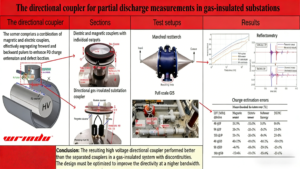
IEC 62271 PD testing refers to partial discharge (PD) measurements performed in accordance with the International Electrotechnical Commission IEC 62271 standards for high-voltage switchgear and controlgear.
These tests verify that equipment such as gas-insulated switchgear (GIS), air-insulated switchgear (AIS), and metal-enclosed systems are free from harmful insulation defects before and during service.
In simple terms, IEC 62271 PD testing ensures that high-voltage switchgear is electrically “clean” and safe to operate.
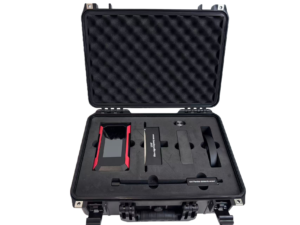
Click the picture to know more about Wrindu Comprehensive PD Tester.
Understanding IEC 62271
IEC 62271 is a series of international standards that define design, testing, and performance requirements for high-voltage switchgear and controlgear (typically above 1 kV).
Several parts of the IEC 62271 series include requirements for partial discharge testing, especially for:
-
Gas-insulated switchgear (GIS)
-
Metal-enclosed switchgear
-
Circuit breakers
-
Disconnectors
-
Earthing switches
PD testing under IEC 62271 is typically conducted during:
-
Type testing (design validation)
-
Routine factory testing
-
Commissioning
-
Condition monitoring in service
What Is Partial Discharge (PD)?
Partial discharge is a localized electrical discharge that occurs within insulation due to:
-
Air voids
-
Contamination
-
Surface defects
-
Sharp conductive edges
-
Aging insulation
While small at first, PD gradually damages insulation. Left untreated, it can lead to:
-
Flashover
-
Equipment failure
-
Arc faults
-
Costly outages
IEC 62271 PD testing helps detect these issues early—before catastrophic failure.
How IEC 62271 PD Testing Is Performed
1. Factory (Routine) Testing
Manufacturers perform PD tests at rated voltage or higher to verify quality.
The standard defines:
-
Acceptable PD limits (typically in picocoulombs, pC)
-
Test voltage levels
-
Measurement sensitivity
-
Noise rejection requirements
For GIS equipment, very low PD levels are expected due to the SF₆ insulation environment.
2. On-Site Commissioning Testing
Before energizing new switchgear, utilities may conduct:
-
UHF PD testing (common for GIS)
-
TEV (Transient Earth Voltage) testing
-
Acoustic emission testing
These methods ensure transportation or installation did not introduce defects.
3. Online Condition Monitoring
Modern utilities increasingly use:
-
UHF sensors installed in GIS compartments
-
Continuous PD monitoring systems
-
PRPD (Phase-Resolved Partial Discharge) pattern analysis
Online testing allows detection without shutting down equipment, improving grid reliability.
Key Technical Requirements in IEC 62271 PD Testing
IEC 62271 testing typically requires:
-
Defined test voltage levels
-
Specified measurement bandwidth
-
Calibration procedures
-
Maximum allowable PD magnitude (often ≤5 pC for GIS type tests)
-
Environmental control during testing
The goal is to ensure repeatable, reliable, and internationally accepted measurement standards.
Why IEC 62271 PD Testing Matters
1. Prevents Substation Failures
Up to 80–85% of insulation-related failures in substations are linked to undetected partial discharge.
2. Protects Utility Investments
Switchgear assets often cost millions. Early PD detection protects that investment.
3. Ensures Regulatory Compliance
IEC standards are globally recognized. Meeting IEC 62271 requirements supports compliance and project approval.
4. Supports Predictive Maintenance
Routine PD monitoring enables condition-based maintenance instead of reactive repairs.
IEC 62271 vs IEC 60270 – What’s the Difference?
-
IEC 60270 defines how partial discharge is measured (measurement techniques and calibration).
-
IEC 62271 defines when and under what conditions PD testing must be applied to switchgear.
In practice:
IEC 62271 references IEC 60270 for the measurement methodology.
Typical Applications of IEC 62271 PD Testing
-
Gas-insulated switchgear (GIS)
-
Metal-clad switchgear
-
Ring main units (RMU)
-
High-voltage circuit breakers
-
Substation controlgear systems
Frequently Asked Questions
What PD level is acceptable under IEC 62271?
It depends on equipment type, but GIS typically requires very low discharge levels (often ≤5 pC during factory testing).
Is IEC 62271 PD testing mandatory?
In most international projects, yes—especially for high-voltage installations following IEC standards.
Can IEC 62271 PD testing be done online?
Factory tests are usually offline, but modern UHF-based systems allow online monitoring aligned with IEC guidelines.
Why is UHF commonly used for GIS?
GIS produces high-frequency PD signals that are best detected in the UHF range with high noise immunity.
Final Thoughts
IEC 62271 PD testing is a critical quality and safety measure for high-voltage switchgear. By detecting partial discharge early, utilities and manufacturers reduce failure risk, improve system reliability, and comply with international standards.
As power grids grow more complex and reliability expectations increase, IEC-compliant PD testing is no longer optional—it is essential.
