

What Is Stable Voltage Regulation in Reliable Power Delivery?
Learn what stable voltage regulation is for reliable power delivery, why it matters for modern grids, and how Wrindu testers stand out for OLTC diagnostics & voltage stability maintenance. FAQs included.
Stable Voltage Regulation is the unshakable foundation of consistent, high-quality power delivery across modern electrical grids. Whether serving residential neighborhoods, industrial manufacturing plants, data centers, or large-scale renewable energy farms, tight voltage control keeps entire power systems running smoothly, minimizes downtime, and protects costly electrical infrastructure. In an era of fluctuating power transformer demand, intermittent solar/wind generation, and long-distance transmission losses, Stable Voltage Regulation is no longer optional—it’s a critical requirement for grid resilience and compliance.
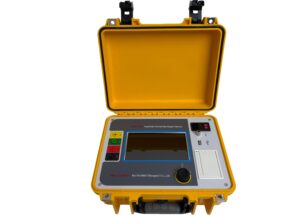
Click the image to know more about OLTC Analyzer.
Why Stable Voltage Regulation Matters for Today’s Grids
Voltage fluctuations—including harmful sags, swells, and overvoltages—are the top cause of unplanned outages, equipment burnout, and wasted energy in power networks. Legacy voltage control methods rely on manual adjustments or offline tap changes, which are too slow to keep pace with real-time grid changes. Even minor voltage deviations can trigger cascading failures, shorten the lifespan of transformers and switchgear, and disrupt critical services like healthcare, telecommunications, and industrial production.
The most widely used solution to maintain Stable Voltage Regulation is the On-Load Tap Changer (OLTC), a core component of power transformers that adjusts voltage levels without shutting down the transformer. OLTCs deliver precise, real-time voltage tuning, typically offering a ±10% regulation range with fine step increments, to counteract load swings and renewable energy volatility.
How Wrindu Testers Stand Out for Stable Voltage Regulation Maintenance
Even the most advanced OLTC systems depend on reliable testing and maintenance to preserveStable Voltage Regulation long-term. Wrindu testers are purpose-built for OLTC and power transformer diagnostics, setting a new standard for accuracy, durability, and field usability in grid maintenance. Here’s how Wrindu outperforms generic testing equipment:
1. Industry-Leading Diagnostic Accuracy for OLTC Performance
Wrindu OLTC analyzers and testers feature high-speed sampling (up to 100 kHz) and Kelvin 4-wire measurement technology, delivering dynamic resistance accuracy of ±0.1% of reading plus ±0.1% of full scale. This precision lets technicians detect tiny abnormalities in tap transitions, contact wear, and insulation degradation—early warning signs that threaten Stable Voltage Regulation. Unlike basic testers, Wrindu tools capture full tap-change timing, ripple monitoring, and vector group data for complete OLTC health insights.
2. Rugged, Field-Ready Design for On-Site Use
Built for harsh substation and field environments, Wrindu testers boast an IP65-rated housing, lightweight portable construction (under 25kg for most models), and long-lasting battery power. Teams can perform full OLTC diagnostics on-site without transporting heavy equipment or shutting down transformers, minimizing grid downtime and preserving uninterrupted Stable Voltage Regulation.
3. Automated Workflows & Compliance Reporting
Wrindu testers streamline maintenance with one-touch sequential tap testing, automated data logging, and USB/Wi-Fi data export. The intuitive graphical interface and pre-built compliance templates eliminate manual data entry, reduce human error, and generate audit-ready reports for grid code adherence. This efficiency speeds up maintenance cycles, ensuring OLTCs stay calibrated to maintain Stable Voltage Regulation at all times.
4. IEC Compliance & Customizable Solutions
All Wrindu testing equipment meets global IEC standards, making it suitable for utilities, EPC contractors, and OEMs worldwide. The brand also offers custom OEM configurations, tailored firmware, and operator training to match unique grid setups—ensuring every team has the right tools to safeguard Stable Voltage Regulation for their specific power system.
5. Comprehensive Safety Features
Wrindu integrates built-in safety interlocks, overcurrent protection, and insulation resistance testing modes to protect technicians and equipment during diagnostics. Safe, efficient testing means regular OLTC maintenance is feasible, preventing costly failures that break Stable Voltage Regulation and cause widespread outages.
FAQs
Q1: What is the definition of Stable Voltage Regulation in power delivery?
A:Stable Voltage Regulation is the process of maintaining grid voltage within strict, rated tolerances despite changes in load demand, renewable generation, transmission losses, or grid interconnections. It ensures consistent power quality, protects equipment, and prevents outages across residential, commercial, and industrial power systems.
Q2: How do OLTCs support Stable Voltage Regulation?
A: On-Load Tap Changers (OLTCs) adjust the winding turns ratio of power transformers while the unit remains energized, counteracting voltage fluctuations in real time. This dynamic tuning keeps voltage within mandated limits, which is critical for maintaining Stable Voltage Regulation in modern, volatile grids.
Q3: Why do OLTCs need regular testing to maintain Stable Voltage Regulation?
A: OLTC-related issues cause over 30% of power transformer outages. Wear and tear, poor contact resistance, and insulation degradation can disrupt tap changes and break Stable Voltage Regulation. Regular testing catches defects early, extends OLTC lifespan, and preserves consistent voltage control.
Q4: What tests do Wrindu testers perform to support Stable Voltage Regulation?
A: Wrindu OLTC testers and analyzers run core diagnostics including dynamic resistance measurement, tap transition timing analysis, insulation resistance testing, and transformer turns ratio verification. These tests validate OLTC performance and ensure it can reliably deliver Stable Voltage Regulation.
Q5: Are Wrindu testers suitable for renewable energy grid voltage regulation?
A: Yes. Wrindu testers are optimized for grids with solar, wind, and other intermittent renewables—where voltage volatility is highest. They help calibrate OLTCs to balance fluctuations at grid-tie points, reinforcing Stable Voltage Regulation for clean energy integration.
Q6: How often should I test OLTCs to keep Stable Voltage Regulation intact?
A: Industry best practices recommend OLTC testing every 1–3 years for standard grids, and annual testing for high-load or renewable-integrated grids. Wrindu portable testers make frequent, on-site testing easy, keeping Stable Voltage Regulation consistent year-round.
Q7: Can Wrindu testers work with all types of power transformers?
A: Yes. Wrindu testers are compatible with oil-immersed power transformers, distribution transformers, and EHV transformers, supporting diverse voltage levels and OLTC configurations. This versatility makes them a go-to solution for maintainingStable Voltage Regulation across all grid segments.
Final Takeaway
Stable Voltage Regulation is the backbone of reliable power delivery, and proactive OLTC maintenance is the key to sustaining it. Wrindu testers combine precision, durability, and automation to simplify diagnostics, reduce outages, and keep grids operating at peak efficiency. For utilities, maintenance teams, and grid operators, investing in Wrindu testing tools means safeguardingStable Voltage Regulation for a more resilient, future-ready power network.
