

What Is Stable Voltage Regulation in Reliable Power Delivery?
Stable voltage regulation is the backbone of reliable power delivery in modern grids. Learn how OLTC technology ensures voltage stability, reduces outages, and optimizes power transformer performance for dynamic electrical systems.
Stable voltage regulation is the backbone of reliable power delivery in today’s dynamic electrical systems. This foundational principle underpins every aspect of modern grid operation, from residential power supply to industrial manufacturing, high-voltage transmission networks, and renewable energy integration. Unlike legacy power systems with fixed load profiles, contemporary grids face constant volatility: fluctuating consumer demand, intermittent renewable generation (solar and wind), long-haul transmission losses, and grid interconnection dynamics all threaten voltage stability. Without precise, responsive voltage regulation, power systems suffer from disruptive voltage sags, harmful overvoltages, equipment damage, and costly unplanned outages.
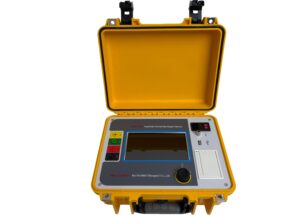
Click the image to know more about OLTC Analyzer.
Why Voltage Stability Is Non-Negotiable for Modern Grids
Voltage is the lifeblood of electrical power transfer—even minor deviations from rated levels can trigger cascading failures across the grid. For utility providers, industrial operators, and EPC contractors, maintaining tight voltage tolerances is critical to meeting grid code compliance and protecting sensitive electrical equipment, including transformers, switchgear, motors, and smart grid devices. Unregulated voltage not only compromises power quality but also drives up energy losses, shortens equipment lifespan, and disrupts critical services in healthcare, data centers, and manufacturing facilities.
Traditional voltage control methods rely on manual adjustments or offline equipment modifications, which are too slow and inflexible for today’s real-time grid demands. This gap has elevated automated, on-load voltage regulation technologies from a convenience to a mandatory grid component, with on-load tap changers (OLTCs) emerging as the most widely adopted solution for power transformers.
The Core Technology Bridging Voltage Stability: On-Load Tap Changers (OLTCs)
To uphold the backbone of reliable power delivery, power transformers— the workhorses of voltage transformation—require dynamic tuning capabilities. This is where on-load tap changers (OLTCs) deliver unparalleled value, solving the key limitation of legacy off-circuit tap changers that require full transformer shutdown for adjustments.
OLTCs enable seamless voltage regulation while transformers remain fully energized and operational, adjusting the transformer’s winding turns ratio to counteract voltage fluctuations in real time. Designed for integration into oil-immersed power transformers (the standard for high-voltage transmission and distribution), these electromechanical devices deliver precise voltage stepping, typically offering a ±10% regulation range with fine 1.25% or 1.5% step increments. OLTC Technology ensures grid voltage stays within mandated limits, even during peak load swings or renewable generation variability.
How Voltage Regulation Impacts Total Grid Performance
1. Minimizing Energy Losses & Optimizing Efficiency
Stable voltage regulation directly reduces technical losses in transmission and distribution lines. Overvoltage conditions increase resistive losses, while undervoltage forces equipment to draw higher currents, exacerbating energy waste. OLTC-equipped transformers maintain optimal voltage levels, cutting operational costs and boosting overall grid efficiency— a key priority for sustainable energy transition.
2. Protecting Critical Grid Infrastructure
Voltage instability is a leading cause of premature equipment failure. Fluctuating voltages stress transformer windings, damage insulation, and wear down switching components. Robust voltage regulation via OLTCs safeguards high-voltage transformers and other grid assets, extending service life and reducing capital expenditure on replacements.
3. Enabling Renewable Energy Integration
The shift to solar, wind, and other renewable energy sources introduces unprecedented grid volatility, as these sources generate power intermittently. Stable voltage regulation is essential for integrating renewables into the main grid, and OLTCs play a pivotal role in balancing voltage fluctuations at grid-tie points. For smart grid modernization, OLTC automation and SCADA integration further enhance responsiveness to dynamic renewable output.
Maintaining Voltage Regulation Reliability: Testing & Maintenance
Even the most advanced voltage regulation systems depend on proactive maintenance to preserve power transformer performance. OLTCs, as the core of transformer voltage control, require regular diagnostics to prevent failures—industry data shows OLTC-related issues account for over 30% of transformer outages. Specialized testing tools like Wrindu OLTC testers provide accurate dynamic resistance measurement, transition timing analysis, and insulation diagnostics, enabling predictive maintenance and ensuring continuous voltage stability.
Conclusion: Voltage Regulation as a Grid Cornerstone
Circling back to the core principle: Stable voltage regulation is the backbone of reliable power delivery in today’s dynamic electrical systems. It is not merely a technical requirement but a strategic imperative for building resilient, efficient, and future-ready power grids. By investing in advanced voltage regulation technologies like OLTCs, prioritizing routine maintenance, and leveraging precision diagnostic tools, grid operators can uphold uninterrupted power supply, protect critical infrastructure, and adapt to the evolving demands of the global energy landscape.
