What Is the AC High-Voltage Inflatable Test Transformer 20kVA?
Wrindu's Portable 20kVA AC high-voltage inflatable test transformer is Lightweight, oil-free, low corona, 100kV output, ideal for on-site and lab testing.
The AC High-Voltage Inflatable Test Transformer 20kVA is a portable and clean solution for high-voltage testing. It suits on-site tests and laboratory use. The brand is Wrindu, made in Shanghai, China.
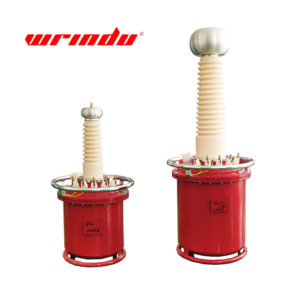
Click the image to know more about AC HV Inflatable Tester.
Why Choose This Test Transformer?
-
Small size and light weight
-
40%–65% lighter than oil-immersed transformers
-
Clean design with no oil
-
No daily maintenance required
-
Works well in bad weather
-
Supports on-site testing without standing installation
-
High insulation strength
-
Very low corona discharge
What Are the Main Technical Parameters?
-
Rated capacity: 20 kVA
-
Low-voltage side:
-
Voltage: 400 V
-
Current: 50 A
-
-
High-voltage side:
-
Voltage: 100 kV
-
Current: 200 mA
-
-
Measurement ratio: 1000:1
-
Temperature rise: ≤ 50 ℃
Technical Parameters
| Item | Parameter |
|---|---|
| Rated Capacity | 20 kVA |
| Low Voltage Side – Voltage | 400 V |
| Low Voltage Side – Current | 50 A |
| High Voltage Side – Voltage | 100 kV |
| High Voltage Side – Current | 200 mA |
| Measurement Ratio | 1000 : 1 |
| Temperature Rise | ≤ 50 ℃ |
| Cooling / Insulation | Inflatable, oil-free |
| Maintenance | Not required |
Standard Model Specifications
| Capacity (kVA) | Low Voltage (V) | Low Current (A) | High Voltage (kV) | High Current (mA) | Measurement Ratio | Temp. Rise (℃) |
|---|---|---|---|---|---|---|
| 6 / 50 | 200 | 30 | 50 | 120 | 500 : 1 | 50 |
| 10 / 50 | 200 | 50 | 50 | 200 | 500 : 1 | 50 |
| 15 / 50 | 400 | 37.5 | 50 | 300 | 500 : 1 | 50 |
| 20 / 50 | 400 | 50 | 50 | 400 | 500 : 1 | 50 |
| 30 / 50 | 400 | 75 | 50 | 600 | 500 : 1 | 50 |
| 50 / 50 | 400 | 125 | 50 | 1000 | 500 : 1 | 50 |
| 10 / 100 | 200 | 50 | 100 | 100 | 1000 : 1 | 50 |
| 15 / 100 | 400 | 37.5 | 100 | 150 | 1000 : 1 | 50 |
| 20 / 100 | 400 | 50 | 100 | 200 | 1000 : 1 | 50 |
| 30 / 100 | 400 | 75 | 100 | 300 | 1000 : 1 | 50 |
| 50 / 100 | 400 | 125 | 100 | 500 | 1000 : 1 | 50 |
| 10 / 150 | 200 | 50 | 150 | 66.7 | 1500 : 1 | 50 |
| 15 / 150 | 400 | 37.5 | 150 | 100 | 1500 : 1 | 50 |
| 20 / 150 | 400 | 50 | 150 | 133.3 | 1500 : 1 | 50 |
| 30 / 150 | 400 | 75 | 150 | 200 | 1500 : 1 | 50 |
| 50 / 150 | 400 | 125 | 150 | 333.3 | 1500 : 1 | 50 |
| 50 / 200 | 400 | 125 | 200 | 250 | 2000 : 1 | 50 |
| 50 / 300 | 400 | 125 | 300 | 166 | 3000 : 1 | 50 |
FAQs
Why Use Inflatable Over Other Types?
| Feature | Inflatable (Gas) | Oil-Immersed | Dry Type |
|---|---|---|---|
| Weight | Very light | Heavy | Light |
| Price | Moderate | Economical | Expensive |
| Maintenance | Low (no oil leakage) | High (leakage risk) | Minimal |
| Corona | Very small | Small | Moderate |
| Best For | On-site / field tests | Fixed labs / high power | Indoor & environmentally sensitive areas |
Which test transformer is better overall: dry-type, oil-immersed, or gas-insulated?
A: There is no single “best” option; the best choice depends on voltage level, environment, and maintenance needs.
Dry-type suits clean indoor use, oil-immersed fits cost-sensitive and outdoor testing, and gas-insulated works best for high and extra-high voltage applications.
Which test transformer is the easiest to maintain?
A: Dry-type test transformers are the easiest to maintain.
They use solid insulation and do not require oil checks or gas pressure monitoring. Only basic surface cleaning is needed.
Which test transformer is safest to use?
A: Dry-type test transformers offer the highest safety level.
They contain no oil or SF₆ gas, so there is no fire risk or gas leakage hazard.
Which test transformer works best for high-voltage or extra-high-voltage tests?
A: Gas-insulated test transformers are the best choice for high and extra-high voltage tests.
SF₆ gas provides excellent insulation strength and stable performance under extreme conditions.
Which test transformer has the lowest initial cost?
A: Oil-immersed test transformers usually have the lowest initial cost.
Their technology is mature, widely used, and economical for many standard testing applications.
Which test transformer performs best in harsh environments?
A: Gas-insulated test transformers perform best in harsh environments.
They tolerate high humidity, dust, and extreme temperatures better than dry-type or oil-immersed designs.
Which test transformer has the best heat dissipation?
A: Oil-immersed test transformers provide the best heat dissipation.
The insulating oil supports strong convection cooling, making them suitable for long-duration and high-load tests.
Which test transformer is most environmentally friendly?
A: Dry-type test transformers are the most environmentally friendly.
They use solid insulation, produce no leaks, and pose no pollution or greenhouse gas risks.
Are test results different between oil-immersed and gas-insulated transformers?
A: Yes, test results can differ slightly under the same accuracy level.
Oil offers better heat dissipation, while gas provides higher insulation strength, and environmental conditions also affect measurements.
Which test transformer is best for laboratories and indoor workshops?
A: Dry-type test transformers are ideal for laboratories and indoor workshops.
They require clean environments and offer compact size, low noise, and easy operation.
Which test transformer suits outdoor or temporary field testing?
A: Oil-immersed test transformers are well suited for outdoor or temporary testing.
They adapt well to temperature and humidity changes and handle higher loads at a lower cost.
How does the AC withstand voltage test device work?
A: It works by stepping up low-voltage AC power to high-voltage AC at power frequency.
A step-up transformer generates the voltage, and a voltage divider measures the output to verify insulation strength without breakdown.
Why is the AC withstand voltage test important?
A: It is essential for verifying insulation reliability and system safety.
The test detects defects caused by manufacturing issues, aging, or moisture before equipment enters service.
What is the key formula for selecting an AC withstand voltage test device?
A: The key formula is based on output current, capacity, and voltage.
Output current (mA) = Capacity (kVA) ÷ Output voltage (kV) × 1000, which helps match the device to the test requirements.
You might be interested in
What do you know about insulation test equipment?
Which Test Transformer is Best for You: Dry-Type, Oil-Immersed, or Gas-Insulated?