

DC Withstand Voltage Test vs. AC Withstand Voltage Test: Key Differences
Compare DC withstand voltage test and AC withstand voltage test. Learn key differences, applications, and how to choose the right insulation testing method.
A DC withstand voltage test applies high DC voltage to insulation for a fixed time. The test checks if insulation can resist electrical stress without breakdown. Engineers often use it to evaluate cables, transformers, and high-voltage components.
An AC withstand voltage test applies alternating voltage at power frequency or VLF. It stresses insulation in a way that closely matches real operating conditions. This test verifies overall dielectric strength and insulation integrity.
Both methods play an important role in insulation testing and electrical equipment quality control.
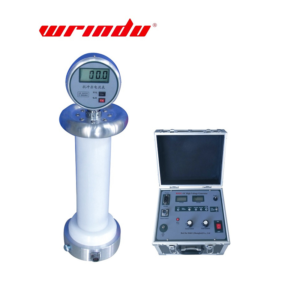
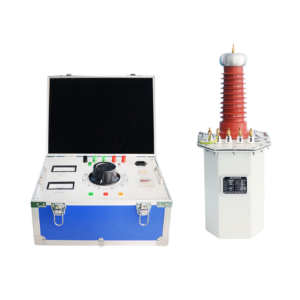
Click the picture above to know more about DC Withstand Tester and AC Withstand Tester.
What Are the Key Differences Between DC and AC Withstand Tests?
The main difference lies in voltage type and stress behavior.
DC withstand voltage tests use lower current and simpler test circuits. They suit field testing and large-capacity equipment. AC withstand voltage tests require larger power sources and more complex test equipment.
DC tests mainly stress insulation in one direction. AC tests stress insulation in both polarities. Because of this, AC tests better reflect operating conditions, while DC tests highlight weak points.
Understanding these differences helps engineers choose the right electrical testing method.
Why Do Engineers Use DC Withstand Voltage Tests?
A DC withstand voltage test excels at detecting localized insulation defects. Small cracks, moisture paths, and contamination often show up clearly under DC stress.
DC tests also allow leakage current monitoring. This helps engineers judge insulation condition and spot early degradation trends.
Because DC equipment is compact and portable, engineers often prefer DC withstand testing for on-site inspections and maintenance work.
When Should You Use DC or AC Withstand Testing?
Engineers choose the test based on equipment type and test purpose.
Use DC withstand voltage testing for:
-
Cables and DC-rated equipment
-
Field testing with limited power supply
-
Insulation condition assessment with leakage current analysis
Use AC withstand voltage testing for:
-
Factory acceptance tests
-
Equipment requiring full dielectric strength verification
-
Applications that need operating-condition simulation
In many cases, combining both methods gives the most reliable insulation evaluation.
What Questions Do Engineers Ask About DC and AC Withstand Voltage Tests?
Q: Is DC withstand voltage testing safer for aged insulation?
A: Yes. DC withstand voltage tests use lower current and create less thermal stress. Engineers often choose DC testing for older cables or insulation under maintenance.
Q: Can a DC withstand voltage test replace an AC withstand voltage test?
A: No. DC testing helps detect localized insulation defects. AC testing verifies overall dielectric strength under operating conditions. Both methods serve different purposes.
Q: Which test is easier to perform on site?
A: DC withstand voltage testing is easier for field use. The equipment is smaller and needs less power. AC withstand voltage testing usually requires larger test systems.
Q: Does AC withstand testing reflect real operating conditions better?
A: Yes. AC withstand voltage tests apply alternating stress. This closely matches real service conditions and helps confirm insulation reliability.
Q: Is residual charge a risk after DC testing?
A: Residual charge can occur. Proper grounding and discharge procedures eliminate this risk. Modern DC testers include automatic discharge functions.
How Do You Choose the Right Withstand Voltage Test?
Test selection depends on safety, standards, and test goals. DC tests offer efficiency and defect sensitivity. AC tests provide realistic stress and compliance verification.
A clear testing plan helps engineers avoid unnecessary risks and misjudgment. Using the correct method ensures accurate insulation testing results and long-term equipment reliability.
Final Thoughts
Both DC withstand voltage tests and AC withstand voltage tests serve critical roles in insulation evaluation. Understanding their differences helps engineers select the best approach for each application.
With the right testing method and reliable equipment, teams can improve dielectric strength assessment, reduce failures, and extend asset life.
