

What Is the Sensitivity of an Oil BDV Tester?
Learn what oil BDV tester sensitivity means, how resolution and accuracy differ, and which factors affect reliable breakdown voltage measurements.
The sensitivity of an oil BDV tester is an important factor to consider when testing electrical insulating oil. It affects how the instrument responds to changes in breakdown voltage and how clearly it can show differences between test results.
Transformer oil helps insulate internal components and supports the safe operation of electrical equipment. An oil BDV tester measures the voltage at which the oil breaks down under specified test conditions. By comparing test results, engineers can assess the oil’s electrical strength and identify possible changes in its condition.
However, sensitivity is only one part of measurement performance. Resolution, accuracy, voltage stability, and correct test procedures also affect the reliability of the results.
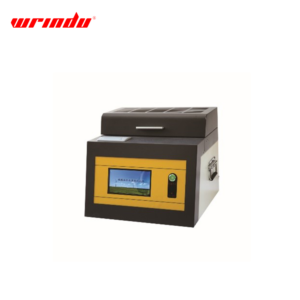
Click the image to know more about Wrindu Oil BDV Tester.
What Does Sensitivity Mean in an Oil BDV Tester?
Sensitivity describes how much an instrument’s output changes in response to a change in the measured quantity. For an oil BDV tester, it relates to how the measurement system responds to changes in breakdown voltage.
Several technical terms are important when evaluating an oil BDV tester:
- Sensitivity: How much the instrument’s output responds to a change in the measured voltage.
- Resolution: The smallest change that the instrument can display or distinguish.
- Accuracy: How close the measured value is to the actual value.
- Repeatability: How closely the instrument produces the same results when the test is repeated under the same conditions.
- Voltage stability: How consistently the tester controls the applied voltage during the test.
These terms describe different aspects of performance. For example, a tester may display voltage in 0.1 kV steps, but this does not automatically mean its measurement accuracy is ±0.1 kV. Buyers should check the manufacturer’s specifications and relevant verification or calibration records.
What Factors Affect the Sensitivity and Measurement Performance of an Oil BDV Tester?
Several parts of the instrument and the testing process can influence measurement performance.
1. Electrode Design and Condition
Electrodes create the electric field inside the oil sample. Their shape, dimensions, surface condition, and spacing affect the field distribution and the breakdown process.
If the electrodes become worn, dirty, or damaged, test results may become less consistent. Incorrect electrode spacing can also affect the measured breakdown voltage.
For reliable measurements, operators should use the electrode type required by the applicable test standard. They should also keep the electrodes clean and check their condition regularly.
2. Measurement Resolution
Resolution determines the smallest displayed change in voltage. For example, a tester with a display resolution of 0.1 kV shows voltage values in increments of 0.1 kV.
This feature can help users compare readings, especially when they monitor changes over time. However, resolution alone does not prove that the instrument can measure every small change accurately. Accuracy, calibration, noise, and other instrument characteristics must also be considered.
When comparing oil BDV testers, buyers should review both the display resolution and the specified measurement accuracy.
3. Voltage Output Stability
An oil BDV tester must apply voltage according to the selected test method. Unwanted voltage fluctuations can affect the test process and may contribute to inconsistent results.
A well-designed voltage control system helps the instrument apply voltage in a controlled manner. Buyers should check the specified voltage range, voltage regulation performance, and supported test procedures.
Voltage stability is particularly important when users need consistent measurements across multiple oil samples.
4. Detection and Control Systems
The tester must detect electrical breakdown and record the corresponding voltage. Its control system, detection circuit, and measurement components all contribute to the recorded result.
A reliable instrument should stop voltage application when the breakdown event is detected, in accordance with its design and the selected test method.
Users should review the manufacturer’s specifications for breakdown detection, measurement performance, and automatic test control rather than judging the instrument by its display resolution alone.
5. Sample Preparation and Test Conditions
Even a well-designed tester cannot compensate for poor sample preparation or an incorrect test procedure.
Moisture, particles, air bubbles, and other contaminants can affect the breakdown voltage of insulating oil. The condition of the test cell, electrode spacing, sample handling, and testing environment may also influence results.
Operators should follow the relevant standard, prepare samples correctly, and keep testing conditions consistent. These steps help distinguish real changes in oil condition from differences caused by the testing process.
Why Is Sensitivity Important in Oil BDV Testing?
Good measurement performance helps engineers compare test results and make better decisions about insulating oil. Its value can be seen in several applications.
1. Transformer Maintenance
Transformer oil can change during service because of moisture, contamination, and aging. Regular BDV testing helps maintenance teams monitor its electrical breakdown performance.
If repeated measurements show a downward trend, engineers can investigate the cause and decide whether additional oil testing or maintenance is necessary. However, a low BDV result does not identify the exact cause by itself.
Reliable measurements make it easier to compare results over time and identify changes that require further attention.
2. Oil Quality Control
Transformer manufacturers and oil suppliers use BDV testing to check insulating oil against the requirements of relevant specifications.
A suitable tester helps users obtain repeatable measurements when they follow the correct procedure. This supports quality control during oil acceptance, production, and maintenance.
The required test method and acceptance limits depend on the applicable standard, the type of insulating liquid, and the intended application.
3. Laboratory Research
Laboratories may use oil BDV testers to study how factors such as moisture, contamination, temperature, or oil treatment affect breakdown voltage.
Reliable measurement performance helps researchers compare samples and identify changes under controlled conditions. Consistent sample preparation and testing procedures remain essential for meaningful comparisons.
How Can You Choose an Oil BDV Tester With Suitable Sensitivity?
When selecting an oil BDV tester, buyers should look beyond a single sensitivity or resolution figure. The following factors can help determine whether an instrument suits the intended application.
| Selection factor | What to check |
|---|---|
| Test standards | Confirm support for the required method, such as ASTM D1816, ASTM D877, or IEC 60156, as applicable |
| Voltage range | Make sure the range meets the testing requirements |
| Display resolution | Check the smallest voltage increment shown |
| Measurement accuracy | Review the manufacturer’s stated accuracy and supporting documentation |
| Voltage control | Check the specified voltage regulation and control performance |
| Electrode system | Confirm compatibility with the required standard and electrode geometry |
| Test automation | Review available test settings, breakdown detection, and result recording |
| Calibration and support | Check calibration options, technical documentation, and after-sales service |
No single specification can describe the overall performance of an oil BDV tester. Buyers should evaluate the instrument as a complete measurement system and confirm that it meets their testing requirements.
How Does the Wrindu Oil BDV Tester Fit Your Testing Needs?
The Wrindu Oil BDV Tester is designed for breakdown voltage testing of electrical insulating oil. It can be considered by power utilities, transformer manufacturers, laboratories, and maintenance teams that need to assess oil insulation performance.
Before purchasing a tester, users should confirm the required test standard, electrode configuration, voltage range, measurement accuracy, and display resolution. These details help determine whether the instrument is suitable for a particular application.
The testing procedure also matters. Correct sample handling, a clean test cell, suitable electrodes, and consistent test conditions all contribute to reliable results.
For more information, visit the Wrindu Oil BDV Tester or contact the Wrindu team to discuss your testing requirements.
Conclusion
The sensitivity of an oil BDV tester relates to how its measurement system responds to changes in breakdown voltage. However, sensitivity is not the same as resolution, accuracy, or repeatability.
Electrode condition, voltage control, measurement components, sample preparation, and testing procedures can all affect the quality of the results. When choosing an oil BDV tester, engineers should review these factors together rather than relying on a single specification.
A suitable instrument, combined with correct operation and consistent testing conditions, helps users obtain more reliable BDV measurements and assess insulating oil more effectively.
References
- ASTM International, ASTM D1816, Standard Test Method for Dielectric Breakdown Voltage of Insulating Liquids Using VDE Electrodes.
- ASTM International, ASTM D877, Standard Test Method for Dielectric Breakdown Voltage of Insulating Liquids Using Disk Electrodes.
- International Electrotechnical Commission, IEC 60156, Insulating Liquids — Determination of the Breakdown Voltage at Power Frequency — Test Method.
