

What Is Transformer Core Grounding?
Learn what transformer core grounding is, why a single ground point is essential, and how core ground tests detect insulation issues. Discover how Wrindu provides reliable testing equipment and technical support for transformer diagnostics and maintenance.
Transformer core grounding is a critical design and maintenance concept that ensures the safe and reliable operation of power transformers. In high-voltage transformers, the magnetic core is intentionally connected to ground at only one point. This single grounding point stabilizes the electrical potential of the core and prevents the buildup of static or induced voltages.
However, when unintended multiple grounding points occur, circulating currents may flow through the core laminations. These currents generate heat, accelerate insulation aging, and may eventually lead to transformer failure. Because of this risk, utilities and equipment manufacturers perform transformer core grounding tests during manufacturing and routine maintenance.
Understanding how transformer core grounding works—and how to detect grounding problems—is essential for maintaining long-term transformer reliability.
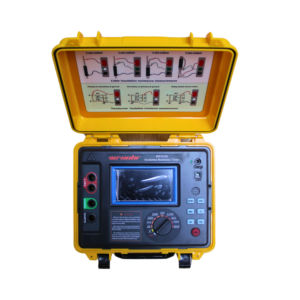
Click the image to know more about Wrindu Earth Resistance Tester.
Why Transformer Core Grounding Is Necessary


The transformer core is made of stacked steel laminations that form a magnetic path for the transformer’s flux. During operation, electromagnetic induction can create small voltages within the core structure.
A single grounding point is installed to:
-
Stabilize the core’s electrical potential
-
Prevent electrostatic charge accumulation
-
Protect insulation materials inside the transformer
-
Reduce the risk of internal partial discharge
Without proper grounding, floating potentials could develop inside the transformer, which might damage insulation or create unsafe operating conditions.
According to transformer design guidelines used by utilities worldwide, the core should have exactly one intentional grounding point to maintain stable electrical conditions.
What Causes Multiple Core Ground Points?
Although transformers are designed with a single ground connection, additional grounding points may appear over time due to operational or environmental factors.
Common causes include:
Insulation deterioration
Over many years of operation, insulating materials around the core structure may degrade, allowing unintended electrical contact with the grounded tank.
Moisture ingress
Water contamination in transformer oil can reduce insulation resistance and create leakage paths.
Mechanical vibration
Long-term vibration during operation can shift internal components and cause accidental contact between the core and grounded structures.
Contamination inside the transformer
Metal particles or conductive debris inside the tank may create unintended grounding paths.
When multiple grounding points exist, circulating currents may flow through the core laminations, generating localized heating.
Industry experience shows that core circulating currents can reach several amperes, which may produce significant thermal stress if the problem remains undetected.
Risks of Multiple Core Ground Connections
Multiple core grounding points can lead to several operational problems.
The most common risks include:
-
Localized heating of the transformer core
-
Accelerated insulation aging
-
Increased dielectric stress
-
Potential transformer faults or failures
In severe cases, the heat generated by circulating currents may damage insulation components or deform core laminations.
Utility maintenance studies suggest that internal insulation problems account for nearly 40% of transformer failures, highlighting the importance of early detection and preventive diagnostics.
How Transformer Core Ground Tests Work
Engineers detect unintended grounding points by performing a transformer core ground test.
The test measures the insulation resistance between the transformer core and the grounded tank using a megohmmeter or insulation resistance tester.
Typical testing steps include:
-
Disconnect the intentional core grounding connection.
-
Connect the megohmmeter between the core and the transformer tank.
-
Apply a test voltage and measure insulation resistance.
If insulation resistance is very high, it confirms that no additional grounding points exist.
However, low resistance readings may indicate unintended grounding paths inside the transformer.
In many transformer maintenance guidelines:
-
Insulation resistance values should typically exceed several megohms
-
Lower readings may indicate insulation degradation or contamination.
These tests are commonly performed during:
-
Factory Acceptance Testing (FAT)
-
Commissioning of new transformers
-
Routine maintenance inspections
Regular testing helps utilities identify problems early and prevent serious equipment damage.
The Role of Professional Testing Equipment
Accurate transformer diagnostics require reliable testing instruments and experienced technical support.
Modern transformer testing equipment includes:
-
High-precision insulation resistance testers
-
Advanced diagnostic tools for transformer condition assessment
-
Portable testing systems for field maintenance
Companies such as Wrindu (RuiDu Mechanical and Electrical Shanghai Co., Ltd.) specialize in developing high-voltage electrical testing equipment used by utilities, transformer manufacturers, and industrial power operators worldwide.
Wrindu focuses on research and development to provide:
-
Reliable transformer diagnostic instruments
-
Portable testing equipment suitable for field maintenance
-
High-accuracy measurement systems for insulation testing
-
Technical support for power equipment testing and diagnostics
By combining advanced technology with practical engineering expertise, Wrindu helps customers detect transformer grounding issues early and maintain reliable power system operation.
Wrindu Expert Review
Transformer core grounding is a fundamental design requirement that ensures stable electrical potential inside the transformer. Maintaining only one grounding point prevents circulating currents and protects the insulation system.
However, insulation aging, moisture contamination, mechanical movement, or internal debris may create unintended grounding paths over time.
Regular core ground testing using insulation resistance measurements allows engineers to detect these problems early and prevent costly transformer failures.
With reliable testing equipment and professional technical support, companies like Wrindu help utilities and industrial operators maintain transformer safety, extend equipment lifespan, and ensure the long-term stability of modern power systems.
FAQs
What is transformer core grounding?
Transformer core grounding is the intentional connection of a transformer’s magnetic core to a single ground point. It stabilizes the core’s electrical potential, prevents static charge buildup, and protects insulation from damage.
Why should a transformer core have only one ground?
A transformer core should have only one ground to prevent circulating currents. Multiple grounding points can cause currents to flow through the laminations, generating heat and accelerating insulation deterioration.
How do multiple core grounds affect transformer performance?
Multiple core grounds can damage insulation and reduce transformer reliability. Circulating currents create heat that accelerates insulation aging, increases dielectric stress, and may eventually cause internal faults.
What causes unintended transformer core grounds?
Unintended core grounds are caused by insulation deterioration, moisture, vibration, or internal contamination. These factors can create additional conductive paths between the core and the grounded tank.
How is transformer core grounding tested?
Transformer core grounding is tested using insulation resistance measurements. Engineers measure resistance between the core and grounded tank with a megohmmeter to verify that only one grounding point exists.
When should core ground tests be performed?
Core ground tests should be performed during factory acceptance, commissioning, and routine maintenance. Regular testing ensures early detection of unintended grounding points and prevents insulation damage.
What is a normal insulation resistance for core grounding?
A normal core-to-tank insulation resistance is typically several megohms or higher. Low readings indicate possible unintended grounding or insulation degradation inside the transformer.
Can core grounding issues cause transformer failure?
Yes, core grounding issues can lead to transformer failure if left unchecked. Circulating currents from multiple grounds can overheat laminations, degrade insulation, and ultimately result in internal faults or breakdowns.
How do engineers fix unintended transformer core grounds?
Engineers fix unintended core grounds by identifying the fault location and repairing or insulating the affected area. Corrective action may involve cleaning, insulation replacement, or adjustment of internal components.
How can companies like Wrindu help with transformer core grounding?
Wrindu provides high-precision testing equipment and technical support for core grounding diagnostics. Their megohmmeters, portable insulation testers, and expert guidance help utilities detect grounding issues early and maintain transformer reliability.
