

What Is Transformer Oil Acidity (Neutralization Number) and Why Does It Matter?
Learn what transformer oil acidity (neutralization number) is, why it matters, and how it is tested. Improve transformer reliability with Wrindu oil testing solutions.
After understanding boiling point, freezing point, BDV, moisture content, and Tan Delta, another important indicator of transformer oil health is acidity, also called the Neutralization Number (NN).
Acidity shows how much acidic compounds have formed inside the oil due to aging and oxidation.
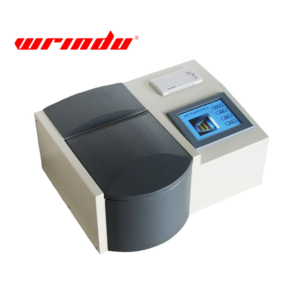
Click the image to know more about Transformer Insulation oil Acid Value Tester.
What Is Transformer Oil Acidity?
Transformer oil acidity refers to the amount of acid present in insulating oil.
- Low acidity = healthy oil ✅
- High acidity = aging and degradation ❌
👉 It is usually measured in mg KOH/g (milligrams of potassium hydroxide per gram of oil).
Why Does Oil Acidity Increase?
Transformer oil becomes acidic mainly due to:
- Oxidation over time
- High operating temperatures 🔥
- Moisture contamination 💧
- Long-term aging of insulation materials
👉 These factors slowly break down the oil structure.
Why Is High Acidity Dangerous?
High acidity can cause serious problems:
- Corrosion of metal parts 🧲
- Damage to solid insulation (paper/pressboard)
- Faster oil aging
- Sludge formation inside transformers
👉 Over time, this can lead to equipment failure or reduced lifespan.
How Is Oil Acidity Tested?
Acidity is measured using a neutralization titration method.
Basic Test Process:
- Take a transformer oil sample
- Add chemical indicator solution
- Titrate with a base solution (KOH)
- Measure how much base is needed to neutralize acids
👉 The result shows the acidity level of the oil.
What Is an Acceptable Acidity Level?
Typical reference values:
- New transformer oil: ≤ 0.01 mg KOH/g
- In-service oil: ≤ 0.1 mg KOH/g (varies by standard)
👉 Higher values mean the oil is aging and may need treatment.
How Wrindu Oil Testers Help Monitor Acidity
Wrindu testing solutions help engineers monitor oil condition accurately:
- High-precision measurement systems
- Stable and repeatable results
- Easy operation for field testing
- Supports preventive maintenance decisions
👉 Regular testing helps detect early oil degradation before serious damage occurs.
When Should You Test Oil Acidity?
Recommended testing situations:
- Routine transformer maintenance
- When oil shows signs of aging
- After long-term operation under heavy load
- Alongside BDV and moisture testing
FAQs About Transformer Oil Acidity
Q1: Why does transformer oil become acidic over time?
A: Because oxidation and heat break down oil molecules, forming acidic compounds.
Q2: Can high acidity be reduced?
A: Yes. Oil purification, regeneration, or replacement can reduce acidity.
Q3: Is acidity more important than BDV?
A: Both are important. BDV shows insulation strength, while acidity shows aging condition.
Q4: What happens if acidity is too high?
A: It can damage insulation and metal parts, leading to transformer failure.
Q5: How often should acidity be tested?
A: Usually every 6–12 months, depending on equipment condition.
