

What Is Transformer Oil Flash Point and Why Is It Important for Safety?
Learn what transformer oil flash point is, how it is tested, and why it matters for safety. Improve fire resistance and reliability with Wrindu oil testers.
After understanding the boiling point and freezing point of oils, the next important thermal property to learn is the flash point. This parameter is especially critical for transformer oil used in high-voltage electrical systems.
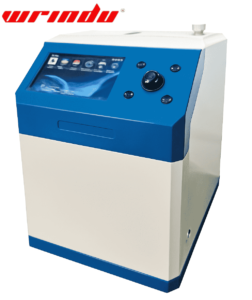
Click the image to know more about Wrindu Automatic Pour Point Freezing Point Tester.
What Is the Flash Point of Transformer Oil?
The flash point is the lowest temperature at which oil produces enough vapor to ignite when exposed to a spark or flame.
In simple terms:
- High flash point = safer oil ✅
- Low flash point = higher fire risk ❌
👉 Transformer oil is designed to have a very high flash point to ensure operational safety.
Why Is Flash Point Important in Electrical Systems?
Transformer oil operates in environments with:
- High electrical loads ⚡
- Continuous heating
- Long-term thermal stress
If the flash point is too low:
- Fire risk increases
- Equipment safety is reduced
- Operational reliability is compromised
👉 That’s why flash point is a key safety indicator in power systems.
What Is a Typical Flash Point of Transformer Oil?
Standard values:
- New transformer oil: ≥ 140°C to 160°C
- High-quality insulating oil: even higher flash point
👉 A higher flash point means better thermal stability and safer operation.
What Affects the Flash Point of Oil?
Several factors can reduce flash point:
- Oil contamination (fuel or volatile substances)
- Aging and oxidation
- Moisture and impurities 💧
- Improper storage conditions
👉 Even small contamination can significantly lower safety performance.
How Is Flash Point Tested?
Flash point is measured using a closed cup or open cup tester.
Basic Testing Process:
- Heat oil sample gradually
- Introduce a small ignition source at intervals
- Observe the moment vapor ignites
- Record the temperature
👉 This value is the flash point of the oil.
Why Flash Point Testing Is Important for Maintenance?
Regular testing helps engineers:
- Detect oil contamination early
- Ensure fire safety compliance
- Evaluate oil aging condition
- Improve transformer reliability
👉 It is a key part of preventive maintenance programs.
How Wrindu Oil Testing Solutions Help?
Wrindu provides professional testing instruments for transformer oil safety analysis:
- High-precision temperature control
- Accurate ignition detection
- Stable and repeatable results
- Suitable for field and laboratory use
👉 These tools help engineers ensure safe and reliable transformer operation.
How to Improve Flash Point of Transformer Oil?
If flash point is reduced, it may be improved by:
- Oil filtration and purification
- Vacuum degassing treatment
- Removing volatile contaminants
- Replacing severely degraded oil
👉 Proper maintenance helps restore safety performance.
FAQs About Flash Point Testing
Q1: Is flash point higher or lower than boiling point?
A: Flash point is always lower than boiling point.
Q2: Why is flash point important for transformers?
A: It ensures the oil will not easily ignite under high temperature conditions.
Q3: Can flash point decrease over time?
A: Yes. Aging and contamination can significantly lower it.
Q4: Is flash point testing required for transformer oil?
A: Yes. It is an important safety and quality test.
Q5: What is the difference between flash point and fire point?
A: Flash point is when vapor ignites briefly; fire point is when it continues to burn.
👉 Next Step:
To fully evaluate transformer oil safety and performance, combine flash point, boiling point, freezing point, BDV, and moisture testing for complete oil condition analysis.
