

What is Transformer Oil Monitoring and Predictive Maintenance
Learn how transformer oil monitoring, IoT integration, and predictive maintenance strategies reduce downtime and improve power system reliability.
As power systems become more complex and reliability demands increase, traditional maintenance approaches are no longer sufficient. Modern utilities are shifting toward smart monitoring and predictive maintenance to ensure continuous operation and reduce unexpected failures.
Transformer oil, as a key indicator of insulation health, plays a central role in this transformation. By combining real-time monitoring, digital analysis, and data-driven strategies, operators can move from reactive maintenance to proactive asset management.
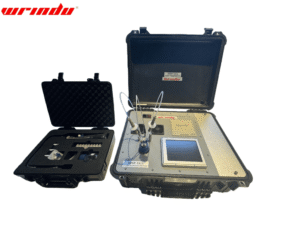
Click the image to know more about Oil Portable DGA Tester.
Why Transformer Oil Monitoring Matters
Transformer oil reflects the internal condition of equipment. Changes in oil properties often occur before visible faults develop.
Key Benefits of Monitoring:
- Early detection of insulation degradation
- Reduced risk of unexpected failures
- Optimized maintenance scheduling
- Lower operational and repair costs
👉 Continuous monitoring turns oil data into actionable insights.
Online vs Offline Oil Testing
Transformer oil testing can be divided into two main approaches:
Offline Testing:
- Oil samples are collected and analyzed in a laboratory
- High accuracy and comprehensive results
- Suitable for periodic inspections
Online Monitoring:
- Sensors continuously track oil parameters in real time
- Immediate detection of abnormal changes
- Ideal for critical or high-load transformers
Key Difference:
- Offline = detailed analysis
- Online = real-time monitoring
👉 Combining both methods provides maximum reliability and coverage.
Digital Oil Analysis and IoT Integration
The integration of digital technologies is transforming oil diagnostics.
Key Technologies:
- IoT-enabled sensors
- Cloud-based data platforms
- Remote monitoring systems
What Can Be Monitored:
- Temperature
- Moisture content
- Dissolved gases
- Dielectric properties
Benefits:
- Real-time alerts and notifications
- Remote access to data
- Improved decision-making
👉 Digitalization enables smart, connected transformer management.
Data Trends in Transformer Maintenance
Collecting data is only the first step—analyzing trends is where real value lies.
Trend Analysis Helps:
- Identify gradual degradation
- Predict potential failures
- Optimize maintenance timing
Example:
- Increasing moisture levels over time → insulation risk
- Gradual drop in dielectric strength → oil deterioration
👉 Trend-based insights are far more powerful than single test results.
Condition-Based Monitoring Strategies
Condition-Based Maintenance (CBM) focuses on actual equipment condition, not fixed schedules.
Key Principles:
- Monitor real-time data
- Analyze performance trends
- Perform maintenance only when needed
Advantages:
- Reduces unnecessary maintenance
- Extends equipment lifespan
- Improves resource efficiency
👉 CBM ensures maintenance is timely, targeted, and cost-effective.
Reducing Downtime with Smart Diagnostics
Unplanned downtime is one of the biggest challenges for utilities and industrial operations.
How Smart Diagnostics Help:
- Detect faults at an early stage
- Provide warning before failure occurs
- Enable planned maintenance instead of emergency repairs
Key Impact:
- Improved system reliability
- Reduced outage duration
- Lower financial losses
👉 Smart diagnostics transform maintenance from reactive to predictive.
Building a Predictive Maintenance System
To fully leverage oil monitoring, a structured approach is required:
Step 1: Data Collection
- Use sensors and periodic testing
Step 2: Data Integration
- Combine online and offline results
Step 3: Data Analysis
- Apply trend analysis and diagnostic models
Step 4: Decision-Making
- Schedule maintenance based on insights
👉 This creates a closed-loop maintenance system driven by data.
The Role of Advanced Testing Solutions
Modern testing equipment supports predictive maintenance by:
- Providing fast and accurate measurements
- Enabling integration with digital platforms
- Supporting both field and laboratory testing
👉 Advanced tools help utilities build a scalable and intelligent monitoring system.
Conclusion
Transformer oil monitoring is no longer just a maintenance task—it is a strategic approach to asset management.
By combining:
- Online and offline oil testing
- Digital analysis and IoT integration
- Trend monitoring and predictive strategies
👉 Operators can achieve:
- Higher reliability
- Lower maintenance costs
- Longer equipment lifespan
In today’s power systems, data-driven maintenance is the key to staying ahead of failures.
