

What Is Transformer Oil Viscosity and Why Does It Matter?
Learn what transformer oil viscosity is, why it matters for cooling and insulation, and how to test it effectively. Improve transformer reliability with Wrindu oil testing solutions.
After understanding the boiling point, freezing point, flash point, and other key thermal properties of oils, another important parameter in transformer oil performance is viscosity.
Viscosity describes how easily oil can flow and circulate inside electrical equipment.
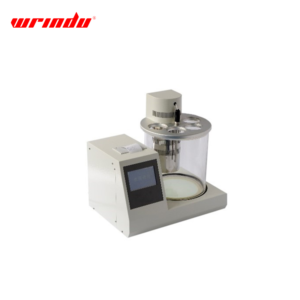
Click the image to know more about Kinematic Viscosity Tester.
What Is Transformer Oil Viscosity?
Viscosity is the measure of a fluid’s resistance to flow.
In simple terms:
- Low viscosity = oil flows easily ✅
- High viscosity = oil flows slowly ❌
👉 Transformer oil must maintain an optimal viscosity for proper cooling and insulation.
Why Is Viscosity Important in Transformers?
Transformer oil serves two main roles:
- Cooling the transformer
- Insulating electrical components
If viscosity is too high:
- Oil circulation becomes slow
- Heat dissipation is reduced 🔥
- Transformer temperature increases
If viscosity is too low:
- Oil film strength may weaken
- Insulation performance may decrease
👉 Proper viscosity ensures balanced performance.
How Does Temperature Affect Viscosity?
Viscosity is strongly affected by temperature:
- At high temperature, oil becomes thinner
- At low temperature, oil becomes thicker ❄️
👉 This is why viscosity is closely related to freezing point and low-temperature performance.
What Causes Changes in Oil Viscosity?
Several factors can increase viscosity:
- Oil aging and oxidation
- Contamination with particles or sludge
- Low-temperature conditions
- Moisture presence 💧
👉 These changes can reduce transformer efficiency over time.
How Is Oil Viscosity Tested?
Transformer oil viscosity is measured using a viscometer.
Basic Testing Steps:
- Heat or cool the oil sample to standard temperature
- Measure flow time through a calibrated tube
- Calculate viscosity value
👉 Results help evaluate oil performance under different conditions.
What Is a Good Transformer Oil Viscosity Range?
Typical values depend on standards, but in general:
- Low viscosity at 40°C is preferred
- Oil must remain fluid at low temperatures
👉 Stable viscosity ensures efficient cooling and insulation.
How Wrindu Oil Testing Solutions Help?
Wrindu testing instruments help engineers monitor oil condition accurately:
- Precise measurement systems
- Stable performance under different conditions
- Suitable for laboratory and field testing
- Supports preventive maintenance decisions
👉 This ensures transformers operate safely and efficiently.
Why Viscosity Testing Should Not Be Ignored?
Ignoring viscosity changes may lead to:
- Overheating of transformers
- Reduced insulation efficiency
- Increased risk of equipment failure
👉 It is a key indicator of overall oil health.
FAQs About Transformer Oil Viscosity
Q1: Is viscosity related to boiling or freezing point?
A: Yes. It is strongly affected by temperature, especially low-temperature behavior.
Q2: Can oil viscosity be improved?
A: Yes. Filtration and oil treatment can restore proper viscosity.
Q3: Does aging increase viscosity?
A: Yes. Aging often leads to sludge formation, increasing viscosity.
Q4: Why is viscosity important for cooling?
A: Because oil must circulate efficiently to remove heat from transformers.
Q5: How often should viscosity be tested?
A: Usually during routine maintenance or oil condition monitoring cycles.
👉 Next Step:
To fully understand transformer oil performance, combine viscosity, flash point, freezing point, BDV, and moisture testing for complete condition assessment.
