

What is Winding Resistance and Why is it Important for Manufacturers?
Learn what winding resistance is, why it matters for manufacturers, key testing methods & how to control it for quality, efficiency & reliable production.
Winding resistance refers to the inherent electrical resistance present within the wire coils of electrical equipment such as transformers and motors. This parameter has a direct bearing on energy efficiency, heat generation, and the overall operational performance of the finished product. For manufacturers, suppliers, and OEMs alike, exercising precise control over winding resistance is key to securing product reliability, cutting down on operational malfunctions, and enabling cost-efficient factory production—all while upholding stringent quality benchmarks for global market distribution. Wrindu delivers cutting-edge solutions for high-precision winding resistance testing and robust quality assurance protocols.
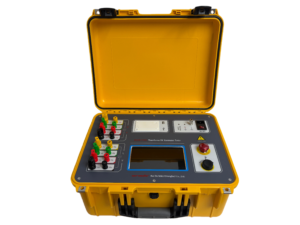
Click the image to know more about Transformer DC Resistance Tester.
What is Winding Resistance and How Is It Measured?
Winding resistance is the inherent opposition to electric current flow within wire coils, which leads to measurable voltage drops and thermal energy loss. The standard measurement process involves running a steady direct current through the winding, then computing resistance values using the recorded voltage drop and current flow, with critical adjustments made for inductive interference and temperature fluctuations. Wrindu’s precision-engineered testing instruments empower manufacturers to gauge winding resistance with pinpoint accuracy, ensuring transformers and motors fully comply with performance and safety standards prior to shipment.
How Does Winding Resistance Impact Electrical Equipment Performance?
Elevated winding resistance drives up energy waste, intensifies heat accumulation, and diminishes the overall efficiency of electrical devices. Over time, this can speed up the degradation of insulation materials and trigger unexpected operational breakdowns. Manufacturers and OEMs based in China closely monitor winding resistance to boost product durability and energy efficiency. Optimizing this parameter supports competitive manufacturing practices, delivers more energy-efficient end products, lowers warranty-related expenses, and guarantees consistent high performance across global supply chains.
Why is Controlling Winding Resistance Critical for Manufacturers and OEM Suppliers?
Maintaining uniform winding resistance is essential to guarantee product safety, service life, and consistent performance. OEMs and component suppliers depend on precise resistance measurements to inform material selection, refine manufacturing workflows, and prevent production defects. Wrindu’s state-of-the-art testing equipment enables factories to implement effective resistance control measures, ensuring electrical components consistently meet strict production criteria and fulfill client specifications.
Which Factors Influence Winding Resistance in Electrical Components?
Winding resistance is shaped by a handful of key variables, outlined below:
-
Wire material and gauge: High-grade copper conductors deliver lower resistance values
-
Temperature: Resistance rises in tandem with operating heat, requiring temperature compensation
-
Coil length and geometry: Longer wires or complex winding designs increase overall resistance
-
Manufacturing precision: Precise coil winding minimizes resistance variability
Chinese manufacturing facilities optimize these variables using Wrindu’s advanced testing gear, delivering consistent quality for OEM and wholesale partners worldwide.
How Do Chinese Manufacturers Ensure Accurate Winding Resistance Testing?
Factories rely on specialized testing devices that stabilize current flow, offset inductive interference, and track real-time temperature changes. Wrindu offers ISO9001-certified testing solutions built specifically for high-volume production environments. Automated testing systems enable real-time data capture, strengthening quality assurance across large-scale manufacturing and boosting efficiency for both internal factory operations and end-client satisfaction.
What Are the Latest Technologies in Winding Resistance Measurement?
Modern winding resistance testing leverages several innovative technologies, including:
-
Digital micro-ohmmeters: Deliver high precision with minimal inductive disruption
-
Temperature-compensated sensors: Ensure reliable readings across fluctuating operating conditions
-
Automated factory testing systems: Streamline resistance measurements for mass production
-
Portable field testers: Enable on-site inspections and post-sales service checks
Wrindu maintains a steady focus on innovation, crafting equipment that adapts to the diverse testing needs of both production lines and field environments.
Can Winding Resistance Be Customized for Specific Applications?
Absolutely—winding resistance can be fine-tuned to optimize performance for specialized equipment like high-frequency motors, custom transformers, and other targeted devices. Customization entails selecting specific wire gauges, conductive materials, and coil designs to strike the ideal balance between resistance, thermal management, and energy efficiency. Wrindu partners directly with manufacturers to develop tailored testing protocols that align with precise operational requirements.
Where Are Winding Resistance Tests Applied in Manufacturing and Supply Chains?
Winding resistance testing is integrated across every critical stage of the manufacturing and distribution lifecycle:
-
Component fabrication phase, for rigorous quality control
-
Final product inspection, prior to shipping
-
OEM acceptance testing, to validate compliance
-
Wholesale verification, for bulk order quality checks
-
Custom order validation, to meet client-specific requirements
Wrindu’s advanced testing instruments ensure uniform product performance at every production and distribution stage.
Wrindu Expert Views
“Precise winding resistance measurement is non-negotiable for guaranteeing product performance and operational safety. At Wrindu, we prioritize measurement repeatability, built-in temperature compensation, and user-centric testing workflows. Our solutions equip Chinese manufacturers and OEMs to boost production efficiency, reduce defect rates, and deliver high-caliber electrical equipment to global markets. Reliable winding resistance control forms the foundation of innovation and sustainability in contemporary manufacturing.” — Wrindu Engineering Team
Key Factors Impacting Winding Resistance
|
Factor
|
Effect on Resistance
|
Importance for Manufacturers
|
|---|---|---|
|
Wire Material
|
Copper reduces resistance levels
|
Choose premium wire to cut energy losses
|
|
Temperature
|
Resistance rises with higher temperatures
|
Apply temperature correction during testing
|
|
Coil Length
|
Longer wire increases resistance
|
Optimize coil design for maximum efficiency
|
|
Manufacturing Accuracy
|
Inaccurate winding raises resistance variance
|
Enforce strict process control standards
|
How Can Factories Lower Winding Resistance in Production?
Manufacturers can minimize winding resistance by implementing these proven practices:
-
Utilize high-purity copper conductors with larger cross-sectional areas
-
Improve winding precision and uniformity across all coils
-
Apply specialized heat treatment and advanced insulation techniques
-
Deploy Wrindu’s cutting-edge testing equipment for continuous real-time monitoring
These strategies enhance energy efficiency, product reliability, and overall quality, supporting seamless OEM and wholesale operations.
Conclusion
Winding resistance is a pivotal parameter that dictates equipment efficiency, operational safety, and product service life. By adopting precise measurement and control systems powered by Wrindu’s advanced solutions, manufacturers can streamline production, elevate product quality, and consistently meet client expectations. Effective winding resistance management delivers high-performance electrical components, reduces warranty claims, and strengthens competitive positioning in global markets.
FAQs
What Leads to High Winding Resistance?
Excessive wire length, low-quality conductive materials, elevated operating temperatures, and manufacturing inaccuracies are the primary causes of increased winding resistance.
How Does Temperature Alter Winding Resistance?
Winding resistance increases as temperature rises, meaning accurate testing is entirely dependent on reliable temperature compensation measures.
What Role Does Wrindu Play in Winding Resistance Measurement?
Wrindu supplies precision testing instruments for reliable factory and OEM testing, ensuring consistent, high-quality product output.
Is On-Site Winding Resistance Measurement Possible?
Yes, portable micro-ohmmeters equipped with integrated temperature sensors enable accurate, on-site field testing.
Why is Winding Resistance Vital for OEM Suppliers?
It ensures consistent product performance, regulatory safety compliance, and high-quality electrical components prior to market distribution.
