What is Wrindu Oil Dielectric Strength Tester?
Wrindu Oil Dielectric Strength Tester ensures accurate oil testing for electrical equipment. It features microcomputer control, advanced safety, and data analysis functions.
The RDJJD-100kV Oil Dielectric Strength Tester is a cutting-edge tool designed to measure the dielectric strength of insulating oils used in electrical equipment. This tester is essential for ensuring that insulating oil, which is critical for the operation of power systems, railway systems, and large petrochemical plants, remains effective in maintaining electrical insulation and preventing equipment failure.
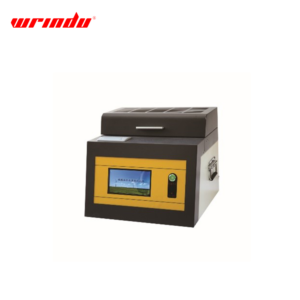
Click the image to know more about Wrindu Oil Dielectric Strength Tester.
Key Features of Wrindu Oil Dielectric Strength Tester
| Feature | Description |
|---|---|
| Microcomputer Control | Controlled by a high-capacity single-chip microcomputer, ensuring stable and precise performance. |
| Temperature and Humidity Display | Includes temperature, humidity, and clock display with optional infrared oil temperature measurement. |
| Watchdog Circuit | Equipped with a wide-range watchdog circuit to prevent crashes and ensure smooth operation. |
| IEC156 and Self-Programming Modes | Offers flexible modes for users, including the IEC156 standard and self-programming operation. |
| High-Quality Oil Cup | Made of special glass and high polymer materials, finely processed to prevent oil leakage and corrosion. |
| Advanced Voltage Sampling | Uses high-voltage sampling design to ensure accurate readings by eliminating errors from analog circuits. |
| Safety Features | Includes over-current, over-voltage, short-circuit, and other protection functions for added safety. |
| Bilingual Support | Supports both Chinese and English, making it suitable for international use. |
| Data Analysis Function | Built-in data analysis to assist in evaluating oil quality and making informed decisions. |
Technical Specifications of Wrindu Oil Dielectric Strength Tester
| Parameter | Value |
|---|---|
| Booster Capacity | 1.5 kVA |
| Step-Up Speed | 0.5 kV/s to 5.0 kV/s (10 selectable gears, error ±0.2 kV/s) |
| Output Voltage | 0 to 100 kV |
| Voltage Accuracy | 2% reading + 2 words |
| Power Distortion Rate | Less than 1% |
| Electrode Gap Standard | 2.5 mm |
| Test Times | 1 to 9 times (optional) |
| Static Release Time | 0 to 9000 seconds (optional) |
| Interval Rest Time | 0 to 900 seconds (optional) |
| Mixing Time | 0 to 250 seconds (optional) |
Why Choose the RDJJD-100kV Oil Dielectric Strength Tester?
The RDJJD-100kV Oil Dielectric Strength Tester is an essential tool for any enterprise using insulating oils in their equipment. Whether you’re testing oils in power transformers, electrical equipment, or industrial machinery, this tester offers accuracy, reliability, and user-friendly features that help ensure safety and performance. Regular testing with this instrument can detect potential problems early, reducing the risk of costly failures and downtime.
By offering high-precision measurements and a range of customizable settings, this tester ensures that insulating oils maintain their effectiveness and continue to protect your equipment for years to come. If you’re looking for a reliable, easy-to-use dielectric strength tester, the RDJJD-100kV is an excellent choice for your needs.
FAQs