

Why DC Testing Can Be Risky for XLPE Cables?
Learn why DC testing can damage XLPE cable insulation, including voltage distribution issues, residual voltage, and accelerated aging risks for safe testing practices.
DC testing has long been used in high-voltage insulation checks. However, when engineers test XLPE cables, DC testing can introduce risks that do not appear in AC tests. Cross-linked polyethylene behaves differently under DC stress. This article explains why DC testing can be risky for XLPE cable insulation and what engineers should understand before applying DC voltage.
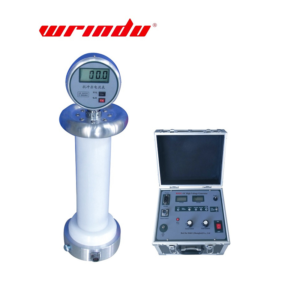
Click the picture to know more about Wrindu HV DC Generator.
How Does Voltage Distribution Differ in DC Testing for XLPE Cables?
Voltage distribution under DC testing differs greatly from AC conditions.
In DC testing, electric stress depends on insulation resistivity, not capacitance. XLPE cable insulation shows non-uniform resistivity across layers. This causes uneven voltage distribution inside the cable.
Under DC testing, higher electric stress often appears near the conductor screen. This stress concentration does not match real operating conditions. As a result, DC testing may overstress specific insulation zones in XLPE cables.
Why Does Residual Voltage Remain a Problem After DC Testing?
Residual voltage is a major concern when DC testing XLPE cables.
XLPE insulation stores space charge during DC testing. After test completion, this charge does not disappear quickly. Residual voltage can remain trapped inside the insulation for a long time.
This trapped charge creates reverse electric fields. These fields increase stress during cable grounding or re-energization. Operators may also face safety risks if they underestimate discharge time after DC testing.
How Does DC Testing Accelerate Aging in XLPE Cable Insulation?
DC testing can accelerate insulation aging in XLPE cables.
Space charge accumulation distorts the internal electric field. This distortion increases local stress and weakens molecular bonds in cross-linked polyethylene.
Repeated DC testing can lead to micro-void formation and electrical tree initiation. These defects grow faster under service voltage. Over time, DC testing shortens cable insulation life instead of protecting it.
When Should Engineers Avoid DC Testing on XLPE Cables?
Engineers should avoid DC testing on medium- and high-voltage XLPE cables, especially after installation or repair.
Industry practice now favors AC withstand or VLF testing for XLPE cable insulation. These methods apply stress closer to real operating conditions and avoid space charge effects linked to DC testing.
DC testing may still suit paper-insulated cables, but XLPE cable insulation requires different test approaches.
Wrindu Expert Review
DC testing presents clear risks for XLPE cables due to uneven voltage distribution, residual voltage effects, and accelerated insulation aging. Understanding these mechanisms helps engineers choose safer testing methods. Selecting the right test protects cable insulation and ensures long-term system reliability.
