

Why DC Testing is Preferable to AC for Large Transformers?
Discover why DC testing outperforms AC for large transformers, improving dielectric testing accuracy and reliability in high-voltage transformer testing.
When testing transformers, especially large ones, it’s crucial to select the right method to ensure accurate and reliable results. DC testing has emerged as a preferred method over AC testing for high-voltage equipment. In this article, we will explore why DC testing is more beneficial for large transformers, highlighting the differences, advantages, and specific applications of DC high-voltage testing in transformer maintenance.
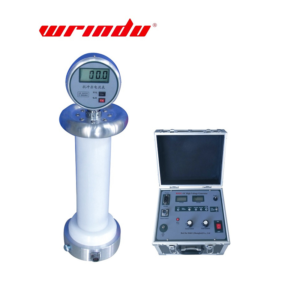
Click the picture to know more about Wrindu DC High-voltage Tester.
What Are the Key Differences Between AC and DC Testing?
AC and DC testing methods differ significantly in how they apply voltage to transformers:
-
Current Type: AC involves alternating current that changes direction, while DC applies a steady current in one direction.
-
Purpose: AC testing simulates operational conditions by subjecting insulation to fluctuating voltages, whereas DC testing focuses on applying a constant voltage to stress the insulation and expose potential weaknesses.
-
Test Duration: DC testing is typically more intense and faster, focusing on identifying weaknesses in a short time.
These differences lead to distinct outcomes in transformer testing and help engineers decide which method is best suited for their equipment.
Why Is DC Testing More Reliable for High-Voltage Equipment?
DC testing proves to be more reliable, especially for large transformers, due to its unique characteristics:
-
Enhanced Dielectric Stress: DC voltage continuously applies stress to transformer insulation, making it easier to detect weak spots or faults that may not appear under AC conditions.
-
Sensitivity to Moisture: DC testing is particularly effective at revealing moisture in insulation materials, a common cause of transformer failure.
-
Less Stress on Equipment: The continuous nature of DC testing minimizes the fluctuation effects found in AC testing, making it less likely to cause further damage to the equipment being tested.
What Are the Advantages of DC Testing for Large Transformers?
There are several advantages to choosing DC testing for large transformers, including:
-
Increased Precision: DC high-voltage testing provides more precise results by stressing the insulation uniformly and detecting issues that may remain hidden under AC testing.
-
Identifying Hidden Defects: DC tests reveal weaknesses in insulation that could lead to failure under normal operating conditions, ensuring the transformer is ready for service.
-
Prolonged Equipment Life: By identifying insulation issues early, DC testing can prevent long-term damage, extend the transformer’s lifespan, and reduce maintenance costs.
How Does DC Testing Help in Preventing Transformer Failures?
DC testing plays a key role in preventing transformer failures by providing critical insights into the condition of insulation:
-
Detecting Weak Insulation: DC testing can uncover weak insulation that may fail under normal operational stress, allowing for early intervention before catastrophic failures occur.
-
Moisture Detection: Since moisture in insulation can dramatically reduce dielectric strength, DC testing helps identify the presence of moisture, enabling timely drying or repairs.
-
Assessing Aging Insulation: As transformers age, their insulation material may deteriorate. DC testing highlights any degradation, ensuring timely maintenance and avoiding unplanned outages.
What Are the Applications of DC Testing in Transformer Maintenance?
DC high-voltage testing is essential for several transformer maintenance tasks:
-
Routine Maintenance: Regular DC testing ensures that transformer insulation remains in optimal condition and helps prevent unexpected failures.
-
Initial Equipment Commissioning: Before a transformer is put into service, DC testing verifies that all insulation components are intact and capable of handling high-voltage stress.
-
Preventive Maintenance: By identifying early signs of insulation deterioration, DC testing allows engineers to take preventive measures, reducing the risk of costly breakdowns.
