

Why Do Utilities Focus on Reducing No Load Loss?
Discover why utilities focus on reducing No Load Loss. Learn how Wrindu’s No Load Loss Tester helps lower energy costs, reduce carbon emissions, and optimize performance.
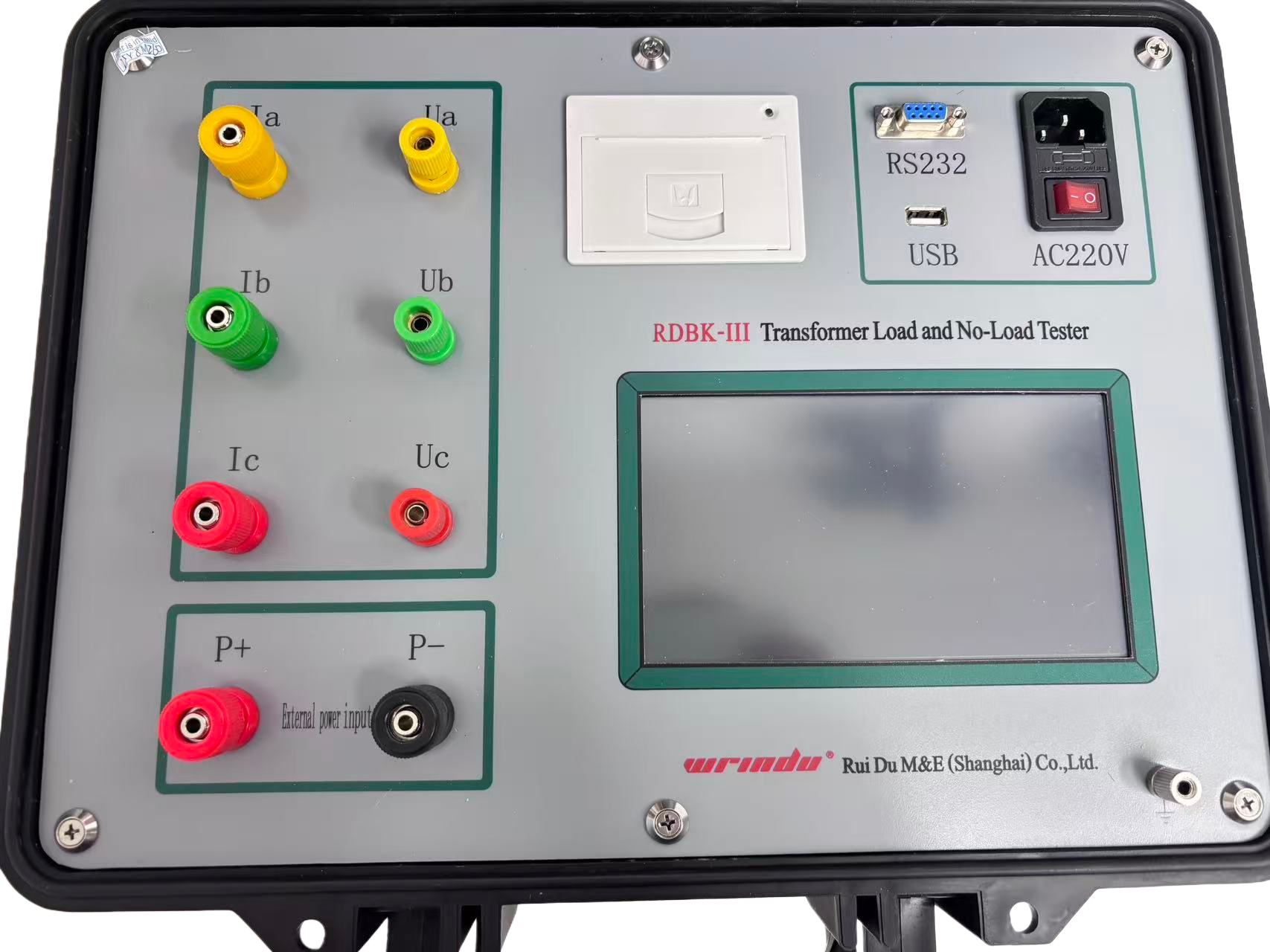
No Load Loss in transformers represents the energy consumed even when no power is being supplied to the load. For utilities, reducing this loss is not just about improving transformer efficiency but also about lowering energy costs and contributing to carbon reduction. Understanding why these goals are so important can help utility decision-makers make informed choices that benefit both their bottom line and the environment.
How Does Reducing No Load Loss Save Energy Costs?
One of the main reasons utilities focus on reducing No Load Loss is to lower energy consumption. Transformers, especially older ones, consume significant amounts of energy even when not in active service. While these losses may seem small on an individual transformer, when multiplied across an entire fleet of transformers in a utility network, the energy wastage adds up.
By focusing on reducing No Load Loss, utilities can:
-
Lower overall operational costs: Even small reductions in energy consumption lead to significant savings across multiple transformers.
-
Extend transformer lifespan: Reducing losses can prevent excessive heat buildup, which is a major factor in transformer degradation, leading to fewer repairs and replacements.
How Does Reducing No Load Loss Contribute to Carbon Reduction?
In addition to saving energy, reducing No Load Loss is also a step toward meeting environmental goals, particularly carbon reduction. Since transformers often run continuously, even when not supplying power, the energy they consume contributes to the overall carbon footprint of the utility.
-
Lower emissions: Reducing energy waste leads to less electricity being drawn from the grid, which, in turn, reduces the demand on power plants that burn fossil fuels.
-
Sustainability goals: Many utilities are now committed to meeting sustainability targets and reducing their overall carbon footprint. By improving transformer efficiency, utilities can make significant strides toward these goals.
How Can Wrindu’s No Load Loss Tester Help Reduce Losses?
Accurate measurement and monitoring are essential for reducing No Load Loss. Utilities need reliable data to identify which transformers are performing inefficiently and where improvements can be made. Wrindu’s No Load Loss Tester offers a precise and easy-to-use solution to measure and track No Load Loss in transformers.
Key features of the Wrindu No Load Loss Tester include:
-
High-precision measurements: It ensures accurate data on No Load Loss, allowing utilities to identify underperforming transformers.
-
User-friendly interface: Designed for ease of use, the tester helps utility teams perform consistent, reliable testing without complex setups.
-
Efficient data analysis: The tester provides data that can be analyzed over time, helping to track improvements and make informed decisions about transformer upgrades or replacements.
Common Questions from Utility Decision-Makers
How much energy can utilities save by reducing No Load Loss?
While the energy saved depends on the number and age of transformers, reducing No Load Loss by just a small percentage can lead to significant savings, especially across a large utility network.
How does Wrindu’s tester improve the process of identifying No Load Loss?
Wrindu’s No Load Loss Tester offers precise measurements, allowing utilities to easily detect inefficiencies in their transformers. With accurate data, decisions can be made to either maintain or replace transformers to reduce losses.
What are the long-term benefits of reducing No Load Loss?
The long-term benefits include lower energy costs, reduced carbon emissions, and an extended lifespan for transformers, all of which contribute to more sustainable and cost-efficient operations.
Wrindu’s Role in Supporting Utility Efficiency
Wrindu offers state-of-the-art testing equipment like the No Load Loss Tester to help utilities improve transformer performance. By providing accurate, reliable data, Wrindu empowers utility decision-makers to make informed choices, ultimately leading to lower energy costs, reduced carbon emissions, and optimized transformer operations.
