

Why Does No Load Loss Occur Even Without Load?
Learn why no load loss occurs in transformers due to magnetic hysteresis and eddy current losses, and see how Wrindu testers measure core losses accurately on-site.
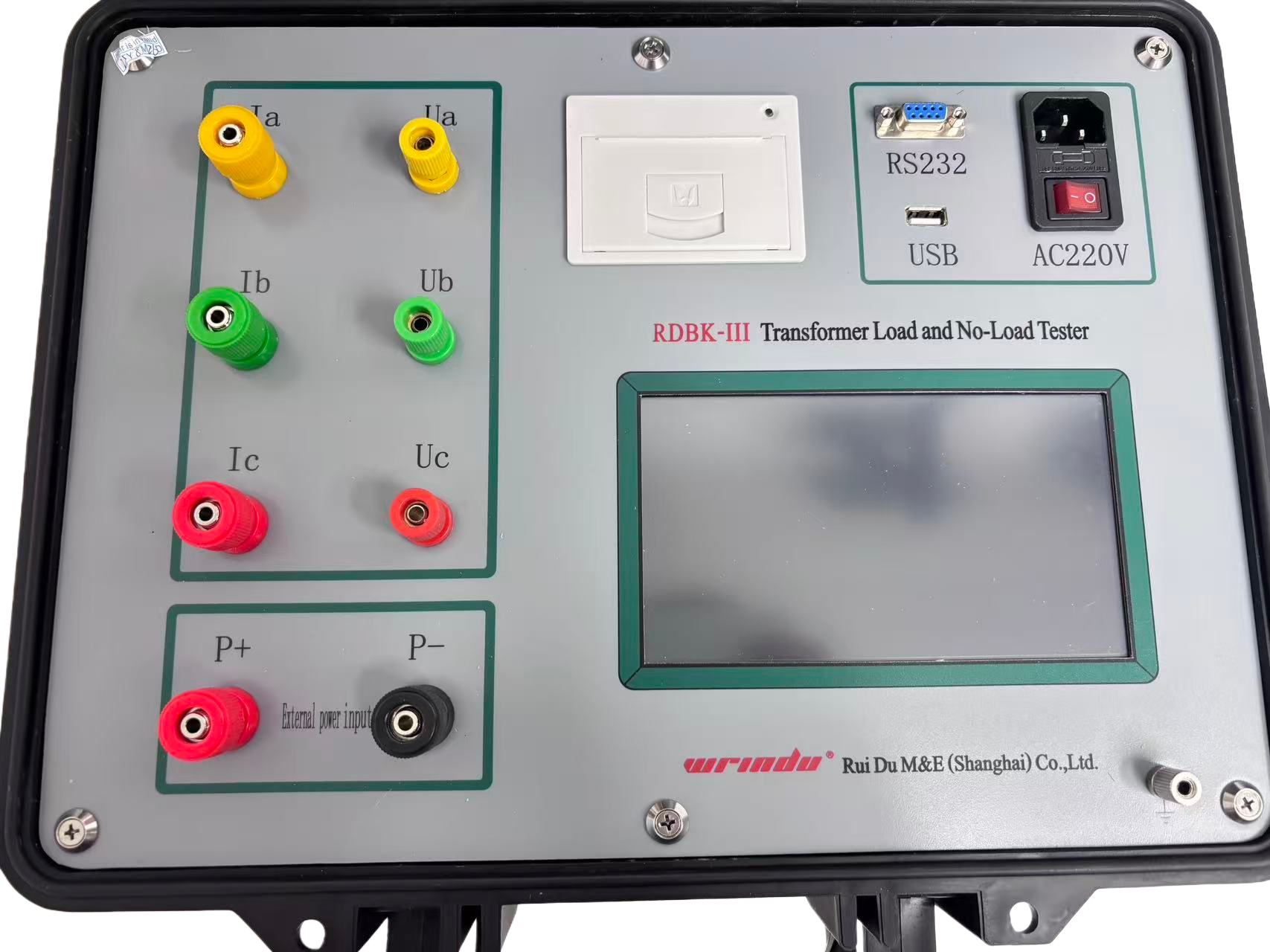
Many engineers ask, why no load loss occurs in transformers even when they supply no load. Understanding this phenomenon helps optimize transformer design, improve efficiency, and plan maintenance. No load loss comes primarily from the transformer’s core and occurs due to magnetic hysteresis and eddy current losses, not because of current flowing through the load.
How Does Magnetic Hysteresis Cause No Load Loss?
Magnetic hysteresis happens when the transformer’s core magnetizes and demagnetizes repeatedly as AC voltage is applied. Each cycle causes internal friction in the magnetic domains, which generates heat and energy loss. These losses occur even if the secondary winding is open. Wrindu no load loss testers allow engineers to measure these core losses accurately, helping verify transformer efficiency and core quality.
What Role Do Eddy Current Losses Play?
Eddy current losses occur when changing magnetic flux induces circulating currents in the core laminations. These currents generate heat and contribute to no load loss. Using thin laminated cores or high-quality materials reduces eddy current losses. Engineers rely on Wrindu measurement tools to detect excessive losses caused by core design or material defects, ensuring the transformer meets efficiency standards.
Common Questions About No Load Loss
Why is no load loss higher than expected?
High no load loss may result from poor core material, improper lamination, excessive flux density, or residual magnetism. Wrindu testers provide precise voltage control and digital power measurement to identify the root cause of abnormal losses.
Can we measure no load loss on-site?
Yes. Portable Wrindu systems enable on-site testing, allowing engineers to quickly assess transformer core performance without removing the unit from service.
Does no load loss affect efficiency?
Yes. No load loss mainly impacts efficiency at low or zero load. Minimizing hysteresis and eddy current losses improves energy efficiency and reduces operating costs over time.
Why Use Wrindu Test Equipment for No Load Loss?
Wrindu no load loss testers integrate voltage application, current measurement, and power recording in one device. They provide accurate, repeatable measurements for magnetic hysteresis and eddy current losses, helping engineers monitor transformer efficiency, identify core issues, and ensure compliance with energy standards.
